
Palace Rewrites King’s Role for ‘Multi-Faith’ Britain
Buckingham Palace has quietly revised King Charles III's official description to emphasize protecting "faith within the multi-faith nation" rather than his historic "Defender of the Faith" title.
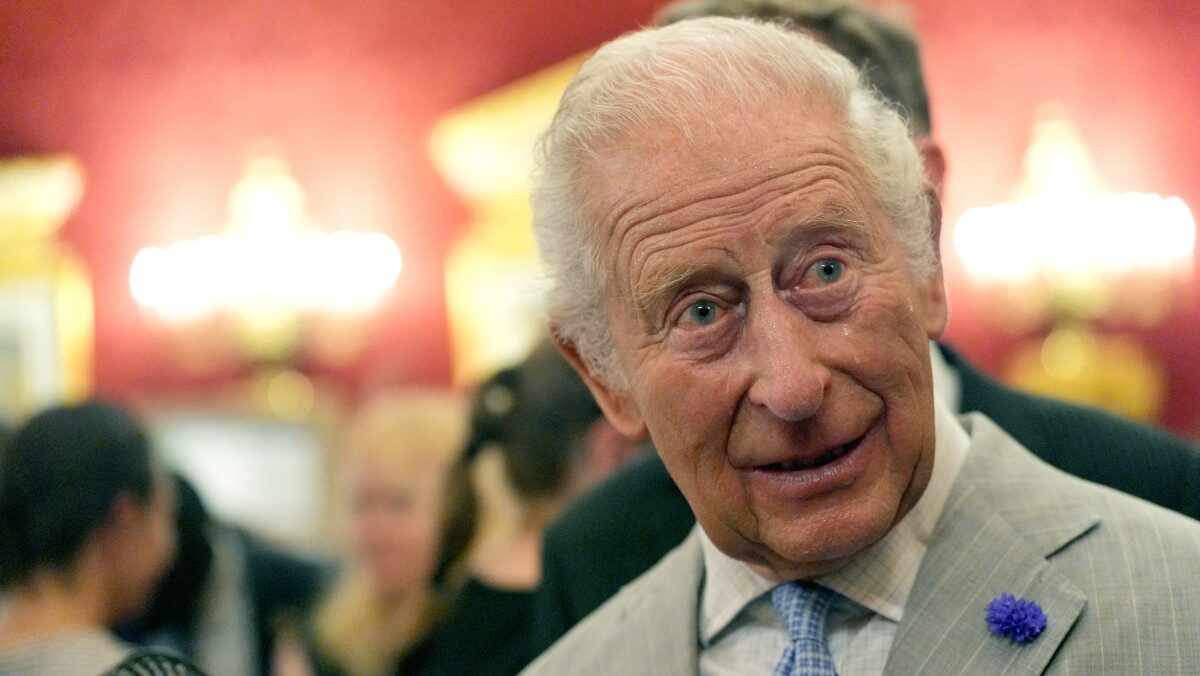

The revised wording appears in the Sovereign Grant Report 2025/26, which now characterizes the King as “Supreme Governor of the Church of England” who “protects the space for Faith within the multi-faith nation.” While the change does not formally amend the monarch’s constitutional duties or traditional titles, it represents a significant shift in how the Palace frames the sovereign’s relationship with Britain’s religious heritage.
The adjustment has reignited concerns over the monarchy’s historic Protestant identity. Prior to his coronation, speculation circulated that Charles III might replace the centuries-old title “Defender of the Faith” with the more inclusive “Defender of Faith.” He ultimately retained the traditional wording during the ceremony, though the new language in official documents suggests a directional pivot toward interfaith priorities that the King has championed for years.
Ceirion H. Dewar, a bishop in the self-proclaimed Confessing Anglican Church—which operates outside the Anglican Communion—has challenged the revised description as incompatible with the King’s coronation oath. At the coronation, Charles III swore to uphold the “Protestant Reformed Religion established by law,” a commitment that critics argue sits uneasily with the Palace’s new emphasis on multi-faith accommodation.
The King remains Supreme Governor of the Church of England, and his formal titles have not been altered. However, critics warn that recasting the Crown primarily as a protector of a multi-faith society risks eroding the monarchy’s foundational Christian character and diluting its historical role as guardian of the Protestant establishment.
The language shift comes amid broader debates in the United Kingdom over national identity, religious heritage, and the role of Christianity in public life. While supporters view the adjustment as a pragmatic acknowledgment of modern Britain’s religious diversity, traditionalists see it as another step away from the nation’s spiritual roots.
With information from The European Conservative





