
Orwell and the Modern Surveillance State
George Orwell's dystopian predictions proved accurate but manifested through smartphones, algorithms, and linguistic manipulation rather than the uniformed totalitarianism he envisioned.
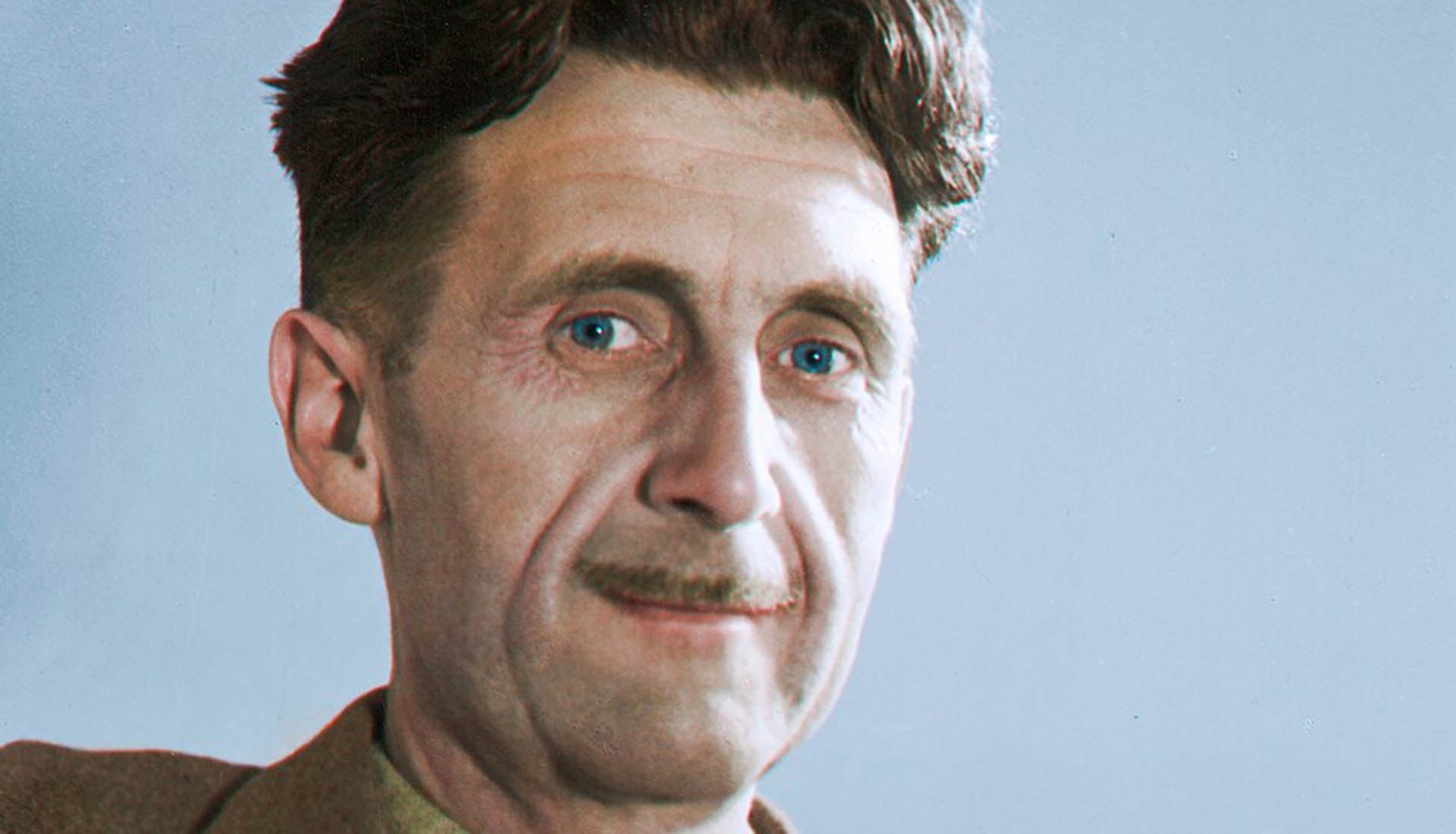

Eric Arthur Blair, known by the pseudonym George Orwell, born in 1903, would discover a paradoxical truth if he were alive today: he was right about almost everything, just not in the way he imagined. As Dimokratia reports, the writer had given “1984” the outline of a dark totalitarian future, where Big Brother would watch everyone and power would censor with brute force.
- Based on the article by Andreas Kapsambelis from Dimokratia
Control didn’t come in uniforms
Modern reality proved to be sophisticated and insidious. Big Brother didn’t come with boots and uniforms. He came with smartphones, apps, social media, terms of use we accept without reading, and algorithms that know what angers us, what frightens us, and what keeps us glued to a screen. Surveillance is called “national security,” inflation becomes “inflationary pressure,” and cuts are termed “fiscal adjustment.”
Corrupted language and thought control
Orwell remains disarmingly relevant in his understanding of language and power. He understood that power dominates by controlling words, because when language is corrupted, thought is corrupted too. Stagnation becomes “resilience,” propaganda is called “communication strategy,” and reality isn’t canceled, it’s simply reframed.
Exhaustion as a tool of control
According to Dimokratia, perhaps the most Orwellian condition of today is that it’s no longer necessary for people to be forced to believe the lie. It’s enough for them to become so tired that they stop seeking the truth. In Greece and beyond, this often happens almost silently, not with crude authoritarianism, but with continuous management of appearances and with the production of a parallel narrative where the image of normality becomes more important than reality itself.
Control offered voluntarily
The irony lies in the fact that the Orwellian world was not ultimately built only by states. It was also built by markets, platforms, and digital ecosystems. Control is not always imposed from above. It is often offered voluntarily, daily, with a click on “accept.”
The greatest threat to critical thinking
Orwell feared the day when power would ban books. Today he would fear more the day when no one would have the concentration to read them. The greatest danger is not only the authoritarianism of power, but society’s voluntary surrender of critical thinking. Then Big Brother becomes almost superfluous, because society itself will have already internalized him.
Source: Dimokratia





