Necessary Cookies

Required for the site to function. Cannot be disabled.

Analytics Cookies

Help us understand how visitors interact with our site (Google Analytics via GTM).

Marketing Cookies

Used to track visitors and deliver personalised advertisements.

We use cookies to enhance your browsing experience and analyse site traffic. By clicking Accept All, you consent to our use of cookies. Privacy Policy
NewsFire Global
Home News Europe World Christianity Culture Wars Opinion Video
Information
About Us Authors Advertising Terms & Conditions Privacy Policy Contact
R2B Media
R2B NEWSFIRE.GR PAPAFOTIS.GR THRACTION HELLENIC CONSERVATIVES RIGHT2THEBONE YT
News Europe

Orbán Dismisses Election Loss, Eyes Right-Wing European Rise

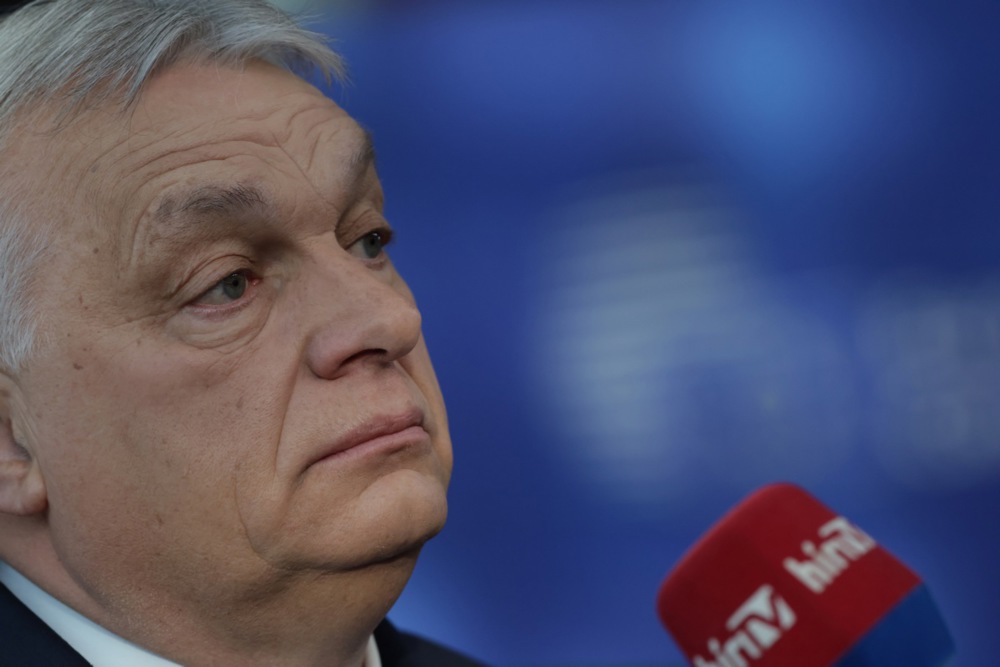
Former Hungarian Prime Minister Viktor Orbán dismissed his election defeat at a Brussels press conference, predicting Europe's nationalist right will dominate the continent's future.

Dimitris Papafotis
Dimitris Papafotis Editor in Chief
JUNE 18, 2026 AT 3:05 PM

According to Brussels Signal, which attended the invitation-only event, Orbán struck a defiant tone, arguing that a single election loss does nothing to alter the broader trajectory of European politics. He positioned the EU Patriots alliance as the ascendant force in continental politics, insisting that nationalist and anti-migration parties would continue their electoral gains across member states.

“The right is growing,” Orbán declared. “We see it everywhere.”

The former prime minister pointed to rising poll numbers for right-wing parties across Europe, including Germany’s AfD, which a new YouGov survey places at 29 percent nationally—just one point below the symbolic 30 percent threshold.

Centre-Right Faces Strategic Dilemma

Orbán argued that mainstream conservative parties would soon be forced to abandon the so-called cordon sanitaire—the political firewall used in countries like France to exclude nationalist parties from power. He suggested such strategies were becoming electorally untenable as right-wing parties gain strength.

He noted that on the same day as his press conference, centre-right and right-wing groups in the European Parliament voted together on stricter immigration return rules—a sign, he said, of inevitable cooperation.

“If the right wants to win, it has to create this majority,” Orbán said, urging conservative and nationalist forces to work together rather than align with leftist blocs.

Corruption Questions Dodged

The press conference came as Orbán faces mounting scrutiny over corruption allegations and questions about the use of EU funds during his long tenure in office. When pressed by reporters, he refused to engage substantively with the accusations.

“There is no one under prosecution,” he said, insisting that he dealt only in proven facts and dismissing what he called “hints and insinuations.”

The evasiveness came amid pressure from current Hungarian Prime Minister Péter Magyar, who has pushed through a constitutional amendment limiting future prime ministers to two terms—a measure widely interpreted as aimed at blocking any Orbán comeback.

Brussels Has Failed, Orbán Says

Orbán pivoted repeatedly to what he characterized as the European Union’s systemic failures: inadequate security, economic stagnation, energy mismanagement, and disastrous migration policy.

He argued that Brussels had turned a manageable migration challenge into a full-blown integration crisis and criticized costly environmental regulations that he said failed to produce growth.

On Ukraine, Orbán reiterated his firm opposition to EU membership for Kyiv, warning that admitting Ukraine would bring “calamity” to Europe. He claimed Hungary had already granted Ukraine everything it requested, but that EU accession remained a red line.

No Self-Criticism on Campaign Mistakes

When asked what mistakes led to Fidesz’s defeat, Orbán demurred.

“I could answer,” he said. “But I don’t want to.”

He acknowledged bearing responsibility for the campaign but refused to identify specific errors. Orbán said Fidesz’s shortcomings would be discussed internally within the Patriots for Europe group ahead of the European Council summit on June 18–19, with the aim of helping other right-wing parties avoid similar pitfalls.

With information from Brussels Signal

Share:
Dimitris Papafotis
Dimitris Papafotis

Dimitris Papafotis is the editor-in-chief of NewsFire.GR. He was born and raised in Athens. He studied at the Journalism Workshop (1991-1993). He currently lives in Pyrgos, Ilia, where he has been active in radio and various newspapers, while also maintaining his personal blog, Papafotis.gr.

According to Brussels Signal, which attended the invitation-only event, Orbán struck a defiant tone, arguing that a single election loss does nothing to alter the broader trajectory of European politics. He positioned the EU Patriots alliance as the ascendant force in continental politics, insisting that nationalist and anti-migration parties would continue their electoral gains across member states.

“The right is growing,” Orbán declared. “We see it everywhere.”

The former prime minister pointed to rising poll numbers for right-wing parties across Europe, including Germany’s AfD, which a new YouGov survey places at 29 percent nationally—just one point below the symbolic 30 percent threshold.

Centre-Right Faces Strategic Dilemma

Orbán argued that mainstream conservative parties would soon be forced to abandon the so-called cordon sanitaire—the political firewall used in countries like France to exclude nationalist parties from power. He suggested such strategies were becoming electorally untenable as right-wing parties gain strength.

He noted that on the same day as his press conference, centre-right and right-wing groups in the European Parliament voted together on stricter immigration return rules—a sign, he said, of inevitable cooperation.

“If the right wants to win, it has to create this majority,” Orbán said, urging conservative and nationalist forces to work together rather than align with leftist blocs.

Corruption Questions Dodged

The press conference came as Orbán faces mounting scrutiny over corruption allegations and questions about the use of EU funds during his long tenure in office. When pressed by reporters, he refused to engage substantively with the accusations.

“There is no one under prosecution,” he said, insisting that he dealt only in proven facts and dismissing what he called “hints and insinuations.”

The evasiveness came amid pressure from current Hungarian Prime Minister Péter Magyar, who has pushed through a constitutional amendment limiting future prime ministers to two terms—a measure widely interpreted as aimed at blocking any Orbán comeback.

Brussels Has Failed, Orbán Says

Orbán pivoted repeatedly to what he characterized as the European Union’s systemic failures: inadequate security, economic stagnation, energy mismanagement, and disastrous migration policy.

He argued that Brussels had turned a manageable migration challenge into a full-blown integration crisis and criticized costly environmental regulations that he said failed to produce growth.

On Ukraine, Orbán reiterated his firm opposition to EU membership for Kyiv, warning that admitting Ukraine would bring “calamity” to Europe. He claimed Hungary had already granted Ukraine everything it requested, but that EU accession remained a red line.

No Self-Criticism on Campaign Mistakes

When asked what mistakes led to Fidesz’s defeat, Orbán demurred.

“I could answer,” he said. “But I don’t want to.”

He acknowledged bearing responsibility for the campaign but refused to identify specific errors. Orbán said Fidesz’s shortcomings would be discussed internally within the Patriots for Europe group ahead of the European Council summit on June 18–19, with the aim of helping other right-wing parties avoid similar pitfalls.

With information from Brussels Signal

