
NHS Hospitals Defy Trans Ruling, Allow Men in Female Wards
A West London NHS Trust continues allowing biological males with gender recognition certificates into female-only wards despite a Supreme Court ruling that sex means biological sex under British law.
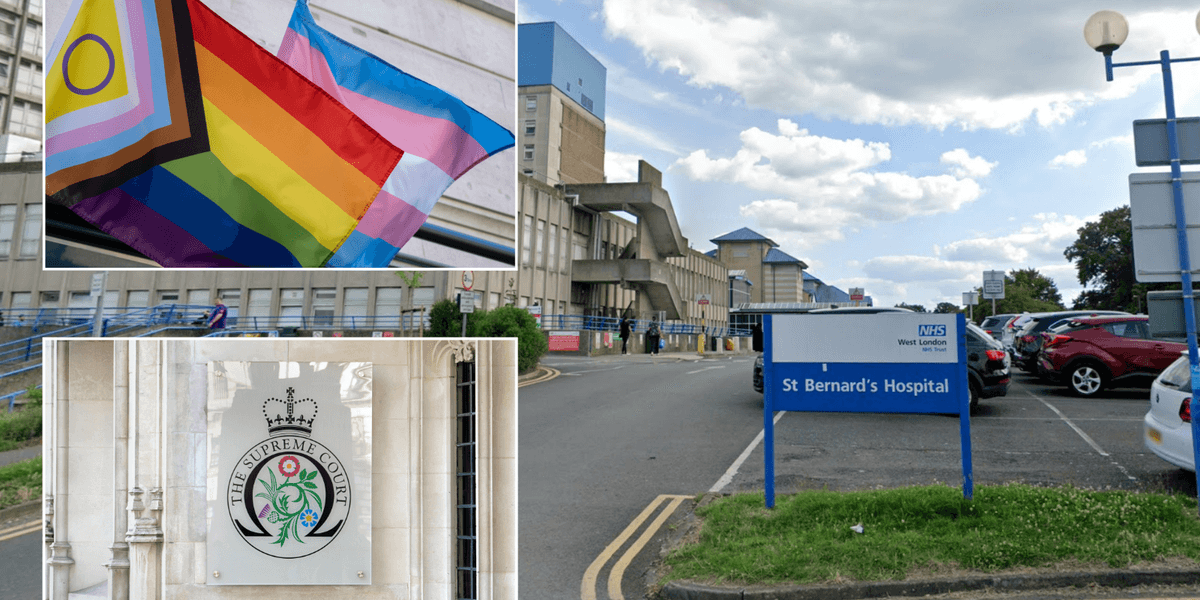

West London NHS Trust has implemented a policy permitting biological males who possess gender recognition certificates to access single-sex spaces designated for women, directly contradicting the Supreme Court’s interpretation of the Equality Act 2010.
The trust has informed patients that single-sex facilities may be used according to an individual’s “legal gender” rather than biological sex. Under this approach, any person born male who identifies as transgender and holds a GRC will be granted access to women-only wards and facilities.
The NHS trust serves communities across Ealing, Hounslow and Hammersmith and Fulham, with a focus on mental health services, GB News reports. The organization operates women-only units at St Bernard’s Hospital.
Critics have condemned the policy as a flagrant violation of the Supreme Court judgment, which established that “sex” under equality legislation refers to biological sex, not self-identified gender.
Claire Coutinho, the shadow equalities minister, issued a sharp rebuke of the trust’s stance, calling it both astonishing and unlawful.
She stated that biological males must be barred from single-sex female spaces, and criticized the government for failing to ensure public services comply with the Supreme Court ruling more than a year after it was issued.
Coutinho emphasized that hospital patients, especially women and girls, are frequently in vulnerable states and deserve guarantees that their safety and privacy will be protected.
The controversy highlights ongoing tensions between transgender activism and women’s rights advocates, particularly regarding spaces where privacy and safety concerns are paramount.
The policy appears to prioritize gender recognition certificates over biological reality, a decision that runs counter to established legal precedent and raises questions about enforcement of the Supreme Court’s ruling across NHS facilities nationwide.
With information from GB News





