Necessary Cookies

Required for the site to function. Cannot be disabled.

Analytics Cookies

Help us understand how visitors interact with our site (Google Analytics via GTM).

Marketing Cookies

Used to track visitors and deliver personalised advertisements.

We use cookies to enhance your browsing experience and analyse site traffic. By clicking Accept All, you consent to our use of cookies. Privacy Policy
NewsFire Global
Home News Europe World Christianity Culture Wars Opinion Video
Information
About Us Authors Advertising Terms & Conditions Privacy Policy Contact
R2B Media
R2B NEWSFIRE.GR PAPAFOTIS.GR THRACTION HELLENIC CONSERVATIVES RIGHT2THEBONE YT
News Europe

New Leaders Convene as European Council Meets in Brussels

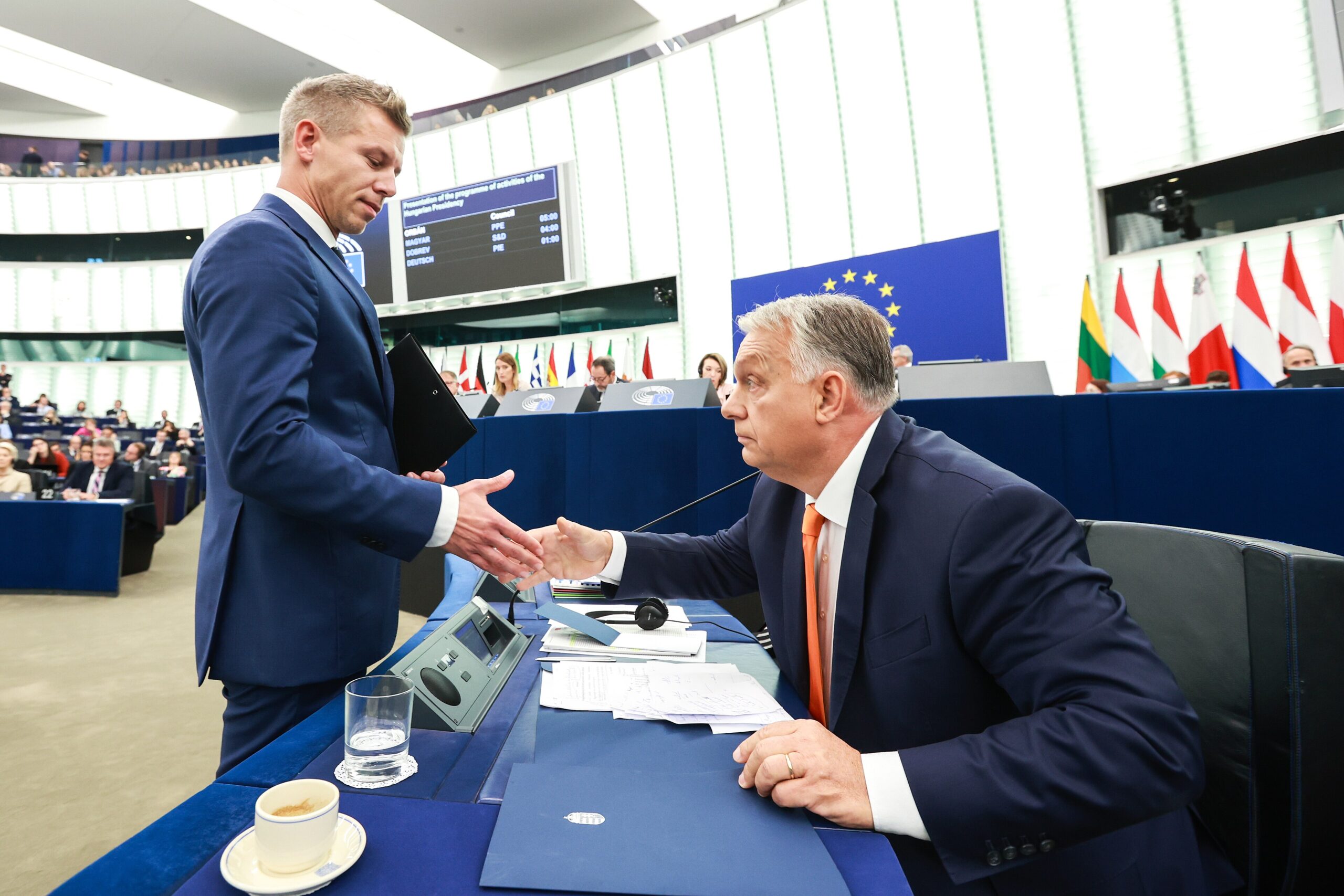
Hungary's new Prime Minister Péter Magyar and Bulgaria's Rumen Radev attend their first EU summit, marking the end of Viktor Orbán's tenure as Brussels' most vocal skeptic.
Dimitris Papafotis
Dimitris Papafotis Editor in Chief
JUNE 19, 2026 AT 4:05 PM Updated: Jun 19, 2026 4:10 PM

Two new heads of government have taken their seats at the European Council for the first time as EU leaders convene in Brussels for a critical two-day summit focused on budget negotiations, migration policy, and the ongoing war in Ukraine.

Péter Magyar, Hungary’s new Prime Minister, and Rumen Radev, Bulgaria’s newly installed premier, are both attending their inaugural European Council meeting on June 18-19, according to Brussels Signal.

The arrivals mark a significant shift in the council’s composition, particularly with Magyar’s presence signaling the end of Viktor Orbán’s tenure as the bloc’s most vocal skeptic of Brussels’ centralized authority.

Orbán’s departure removes a figure who consistently challenged EU orthodoxy on issues ranging from migration enforcement to sanctions policy and rule-of-law mechanisms. His replacement by Magyar represents a substantial change in Hungary’s representation at the highest level of European decision-making.

However, Bulgaria’s Radev may emerge as a quieter successor to Orbán’s skeptical stance, potentially offering a more measured but still cautious approach to Brussels’ expanding competencies as leaders open negotiations on the bloc’s next seven-year budget framework.

The summit comes at a pivotal moment for the European Union, with member states facing pressure to reach agreement on long-term fiscal planning while simultaneously managing immediate challenges including border security and eastern security commitments.

The turnover in council membership continues a pattern of leadership changes that occur every few months, reshaping the dynamics of European decision-making as national elections alter the political landscape across the continent.

With information from Brussels Signal

Share:
Dimitris Papafotis
Dimitris Papafotis

Dimitris Papafotis is the editor-in-chief of NewsFire.GR. He was born and raised in Athens. He studied at the Journalism Workshop (1991-1993). He currently lives in Pyrgos, Ilia, where he has been active in radio and various newspapers, while also maintaining his personal blog, Papafotis.gr.

Two new heads of government have taken their seats at the European Council for the first time as EU leaders convene in Brussels for a critical two-day summit focused on budget negotiations, migration policy, and the ongoing war in Ukraine.

Péter Magyar, Hungary’s new Prime Minister, and Rumen Radev, Bulgaria’s newly installed premier, are both attending their inaugural European Council meeting on June 18-19, according to Brussels Signal.

The arrivals mark a significant shift in the council’s composition, particularly with Magyar’s presence signaling the end of Viktor Orbán’s tenure as the bloc’s most vocal skeptic of Brussels’ centralized authority.

Orbán’s departure removes a figure who consistently challenged EU orthodoxy on issues ranging from migration enforcement to sanctions policy and rule-of-law mechanisms. His replacement by Magyar represents a substantial change in Hungary’s representation at the highest level of European decision-making.

However, Bulgaria’s Radev may emerge as a quieter successor to Orbán’s skeptical stance, potentially offering a more measured but still cautious approach to Brussels’ expanding competencies as leaders open negotiations on the bloc’s next seven-year budget framework.

The summit comes at a pivotal moment for the European Union, with member states facing pressure to reach agreement on long-term fiscal planning while simultaneously managing immediate challenges including border security and eastern security commitments.

The turnover in council membership continues a pattern of leadership changes that occur every few months, reshaping the dynamics of European decision-making as national elections alter the political landscape across the continent.

With information from Brussels Signal

