
Merz Reacts Testily to Reports of Possible Chancellor Swap
German Chancellor Friedrich Merz faces mounting pressure within his Christian Democratic Union amid speculation about a leadership change, with North Rhine-Westphalia premier Hendrik Wüst emerging as a possible successor.
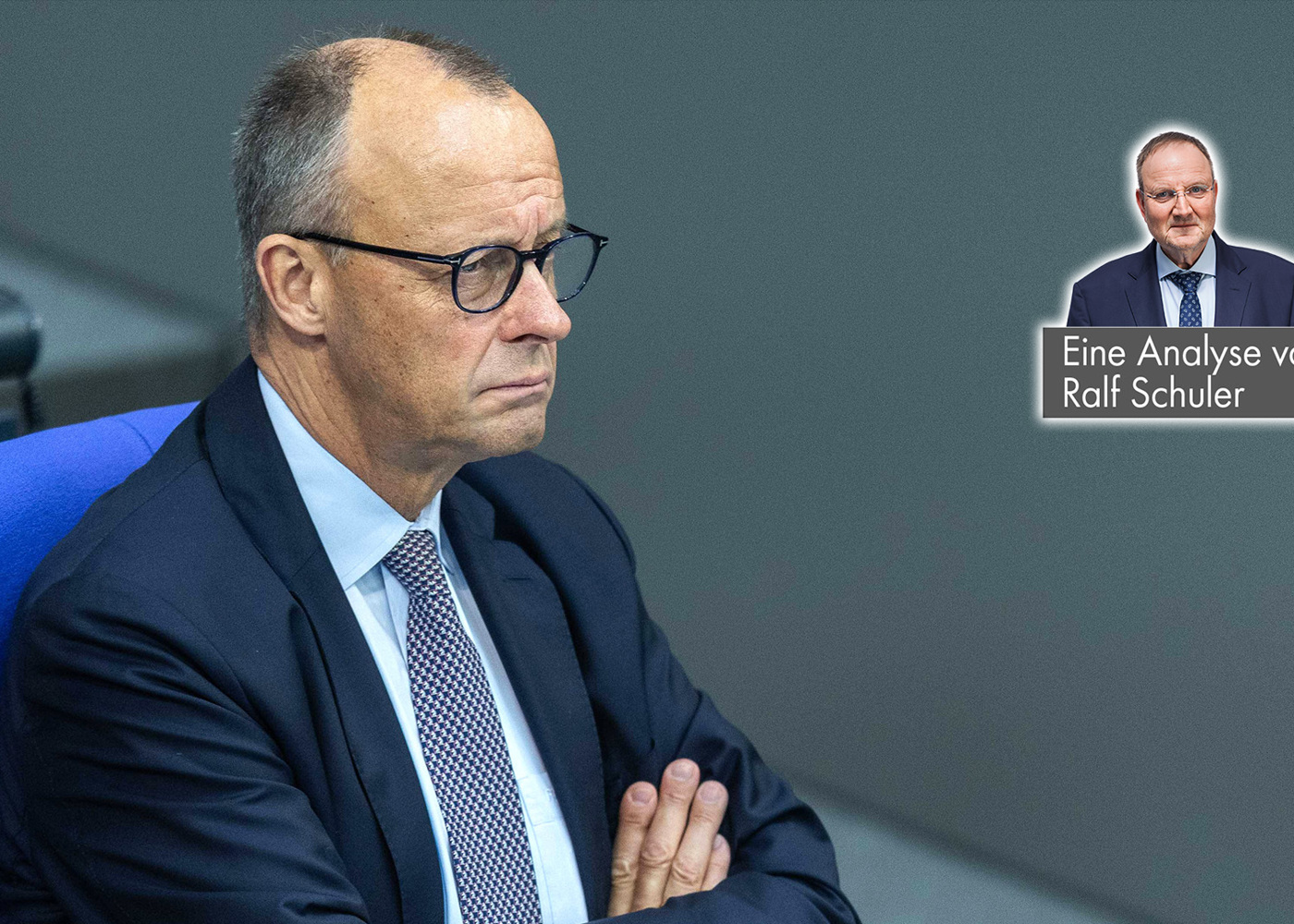

According to Nius, tensions reached a breaking point on Wednesday when the embattled chancellor reacted angrily to media reports discussing his potential replacement. A senior CDU source told the outlet that nerves are frayed at the highest levels of government.
The controversy began when Nius first reported on April 24th about internal discussions regarding a possible change at the top. By Wednesday, Germany’s largest tabloid Bild had splashed the damaging speculation across its front page, followed by widespread coverage in other major outlets including Welt.
Friedrich Merz, who presented a composed image during morning cabinet meetings and received an economic forecast from government advisers predicting just 0.5 percent growth, had planned a quiet homecoming event celebrating 80 years of CDU programs in his native Arnsberg. Instead, the headlines turned what should have been friendly territory into a political earthquake.
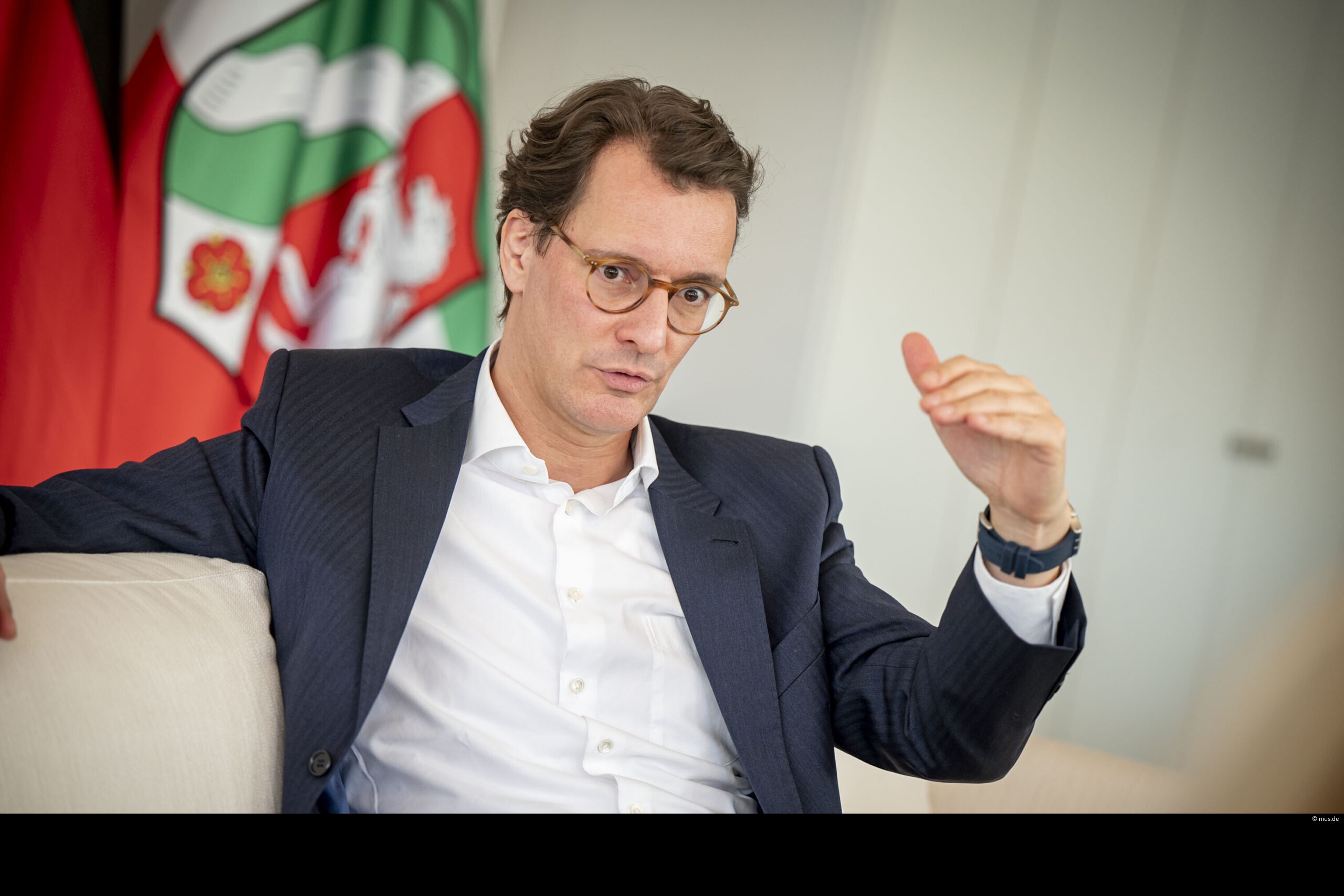
Sources close to the chancellor described him as taking the coverage personally, particularly given his already strained relationship with conservative media outlets following recent critical commentary. According to reporting by Table Briefings editor-in-chief Michael Bröcker, Merz reacted with visible irritation to what he termed wild speculation about his removal.
The chancellor’s inner circle expressed dismay that he allowed himself to engage in wordplay involving Hendrik Wüst, the CDU premier of North Rhine-Westphalia who currently ranks third in popularity polls while Merz languishes at twentieth place. Associates characterized discussion of a potential leadership transition as naive and constitutionally ignorant.
However, Article 68 of Germany’s Basic Law does provide a constitutional mechanism for parliamentary selection of a new chancellor if the incumbent resigns or loses a confidence vote. The 1974 transition from Willy Brandt to Helmut Schmidt within the Social Democratic Party followed exactly this path.
Senior CDU figures from state organizations now view with concern what they describe as the chancellor’s fraying composure. The mere fact that Merz felt compelled to respond to the speculation reveals exposed nerves, according to party insiders who are watching the federal chancellor’s diminishing authority with growing alarm.

The timing could hardly be worse. Germany continues to receive dire economic news while the federal government remains effectively paralyzed until the end of June, despite the Union and Social Democrats having set themselves a deadline before the summer recess to implement major reforms. Fear of new confrontations has brought legislative activity to a standstill.
Internal changes have failed to stabilize the situation. The replacement of chief of staff Jacob Schrot with Philipp Birkenmaier at the beginning of the year has produced no discernible improvement. Party veterans note that a chief of staff can coordinate but cannot substitute for clear chancellor-led direction.
The current crisis evokes memories within the CDU of a similar episode in June 2023, when Wüst published a guest column in the Frankfurter Allgemeine Zeitung under the headline “The Heart Beats in the Center.” Behind the scenes, that piece prompted Merz to threaten resignation before being talked down by the late Wolfgang Schäuble. The CDU leader had interpreted Wüst’s text as fundamental criticism of his approach of conservative purity and sharp political edges, responding twice with harsh public rebukes.
Since that confrontation, Wüst has visibly taken care not to appear publicly as a rival to the chancellor, despite his position as head of Germany’s largest state CDU organization making him an inherent alternative.
Beyond scenarios for a leadership change, reports suggest Merz is considering a cabinet reshuffle that would reorganize coordination structures within the chancellery. While the chancellor retains sole authority over Union personnel decisions, such moves would do nothing to break the blockade imposed by his Social Democratic coalition partners.
Restiveness within the Christian Democratic Union continues to grow as economic indicators worsen and the government’s capacity for action appears increasingly constrained.
With information from Nius





