Necessary Cookies

Required for the site to function. Cannot be disabled.

Analytics Cookies

Help us understand how visitors interact with our site (Google Analytics via GTM).

Marketing Cookies

Used to track visitors and deliver personalised advertisements.

We use cookies to enhance your browsing experience and analyse site traffic. By clicking Accept All, you consent to our use of cookies. Privacy Policy
NewsFire Global
Home News Europe World Christianity Culture Wars Opinion
Information
About Us Authors Advertising Terms & Conditions Privacy Policy Contact
R2B Media
R2B NEWSFIRE.GR PAPAFOTIS.GR THRACTION HELLENIC CONSERVATIVES RIGHT2THEBONE YT
News Europe

Merz Pushes for Full Western Balkans EU Integration at Summit

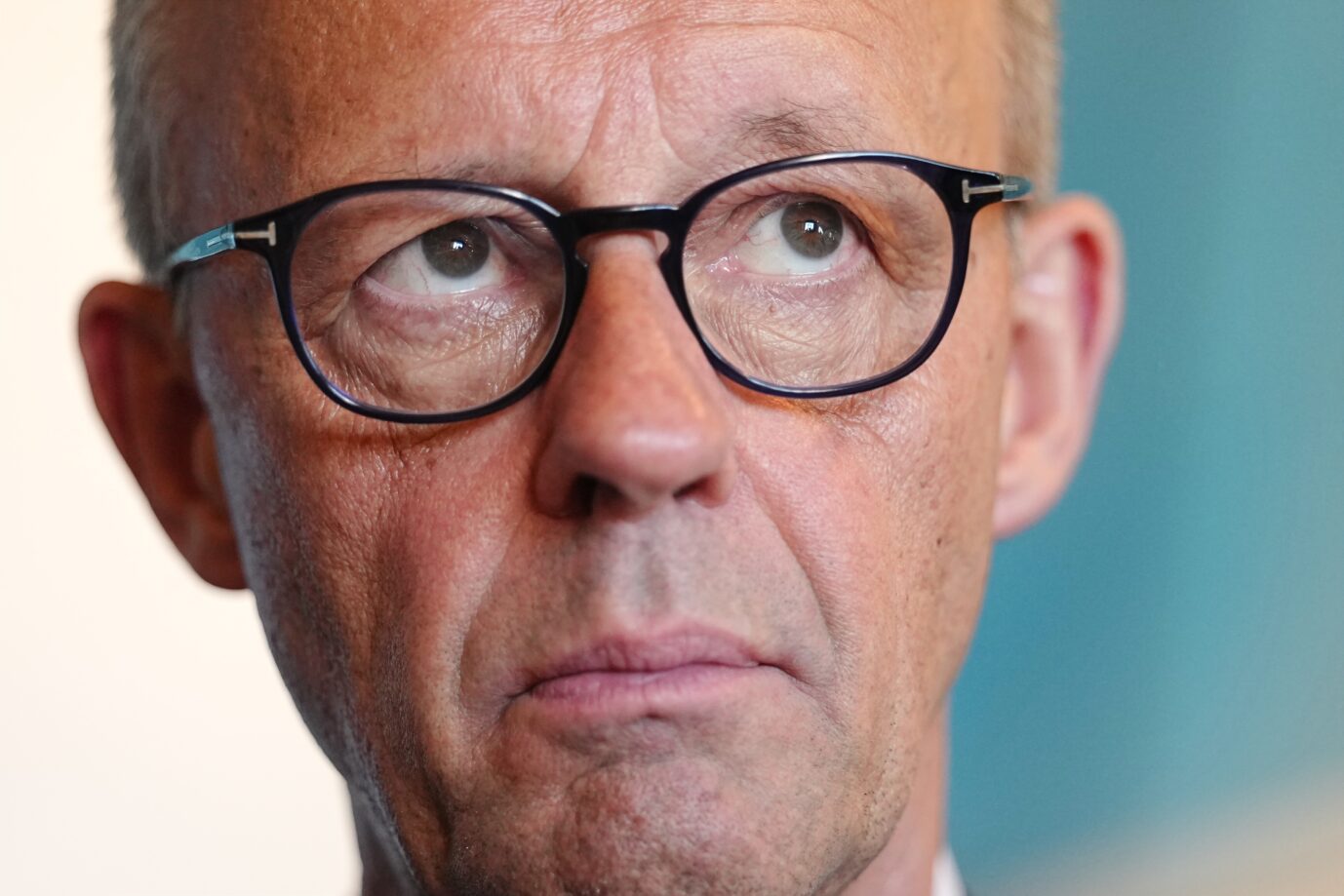
German Chancellor Friedrich Merz aims to fast-track Western Balkan nations into the EU, calling the bloc's 13-year expansion freeze a mistake that must be corrected.

Dimitris Papafotis
Dimitris Papafotis Editor in Chief
JUNE 5, 2026 AT 8:02 PM

Speaking ahead of the Western Balkans Summit in Tivat, Montenegro, Merz announced that he wants to see the region’s countries join the EU as quickly as possible, according to Junge Freiheit. The CDU leader posted on social media platform X that the European Union has not admitted new members for 13 years, which he characterized as a failure on the part of the bloc itself.

The Western Balkans region comprises Serbia, Bosnia and Herzegovina, Montenegro, Kosovo, Albania, and the Skopje State. Slovenia and Croatia were originally counted as part of the Western Balkans but have already joined the EU in 2004 and 2013 respectively.

Annual Summit Aims to Prepare Candidate States

The conference taking place this year in Montenegro has served since 2014 as an annual platform designed to support EU integration for the six Western Balkan states. The initiative was launched by former Chancellor Angela Merkel of the CDU.

The conference is focused on promoting stability, regional cooperation, and concrete reforms necessary for EU membership. Participants include governments of the candidate countries, the European Commission, and several EU member states including Germany, France, Italy, and Austria.

Billions in EU Funding Already Allocated

To help Western Balkan states meet EU requirements, Brussels has provided substantial financial support through the Instrument for Pre-Accession Assistance, known as IPA. This fund explicitly supports what the EU calls reforms in the enlargement region.

Between 2007 and 2013, the Western Balkans received approximately 3.5 billion euros through IPA I, as Junge Freiheit reports. From 2014 to 2020, IPA II provided more than four billion euros. Since 2021, IPA III has been active, with the EU distributing a total of roughly 14 billion euros. Recipients of funding under the new program also include Turkey.

Additional Growth Plan Exclusive to Western Balkans

The Western Balkans also receives EU funding through a separate Growth Plan program. According to the European Commission, this initiative aims to integrate the states into the EU internal market, promote economic cooperation, and deepen EU-aligned reforms. The Commission states on its website that the Growth Plan creates incentives for enlargement partners to prepare for EU membership by granting them certain benefits ahead of full integration.

For the period between 2024 and 2027, the EU is providing approximately six billion euros in total, consisting of two billion euros in grants and four billion euros in preferential loans.

With information from Junge Freiheit

Share:
Dimitris Papafotis
Dimitris Papafotis

Dimitris Papafotis is the editor-in-chief of NewsFire.GR. He was born and raised in Athens. He studied at the Journalism Workshop (1991-1993). He currently lives in Pyrgos, Ilia, where he has been active in radio and various newspapers, while also maintaining his personal blog, Papafotis.gr.

Speaking ahead of the Western Balkans Summit in Tivat, Montenegro, Merz announced that he wants to see the region’s countries join the EU as quickly as possible, according to Junge Freiheit. The CDU leader posted on social media platform X that the European Union has not admitted new members for 13 years, which he characterized as a failure on the part of the bloc itself.

The Western Balkans region comprises Serbia, Bosnia and Herzegovina, Montenegro, Kosovo, Albania, and the Skopje State. Slovenia and Croatia were originally counted as part of the Western Balkans but have already joined the EU in 2004 and 2013 respectively.

Annual Summit Aims to Prepare Candidate States

The conference taking place this year in Montenegro has served since 2014 as an annual platform designed to support EU integration for the six Western Balkan states. The initiative was launched by former Chancellor Angela Merkel of the CDU.

The conference is focused on promoting stability, regional cooperation, and concrete reforms necessary for EU membership. Participants include governments of the candidate countries, the European Commission, and several EU member states including Germany, France, Italy, and Austria.

Billions in EU Funding Already Allocated

To help Western Balkan states meet EU requirements, Brussels has provided substantial financial support through the Instrument for Pre-Accession Assistance, known as IPA. This fund explicitly supports what the EU calls reforms in the enlargement region.

Between 2007 and 2013, the Western Balkans received approximately 3.5 billion euros through IPA I, as Junge Freiheit reports. From 2014 to 2020, IPA II provided more than four billion euros. Since 2021, IPA III has been active, with the EU distributing a total of roughly 14 billion euros. Recipients of funding under the new program also include Turkey.

Additional Growth Plan Exclusive to Western Balkans

The Western Balkans also receives EU funding through a separate Growth Plan program. According to the European Commission, this initiative aims to integrate the states into the EU internal market, promote economic cooperation, and deepen EU-aligned reforms. The Commission states on its website that the Growth Plan creates incentives for enlargement partners to prepare for EU membership by granting them certain benefits ahead of full integration.

For the period between 2024 and 2027, the EU is providing approximately six billion euros in total, consisting of two billion euros in grants and four billion euros in preferential loans.

With information from Junge Freiheit

