
Merz: Changing Wealthy Society Harder Than Rebuilding After War
German Chancellor Friedrich Merz angered family business leaders by accusing them of avoiding media appearances and spending more time on golf courses than defending their enterprises publicly.
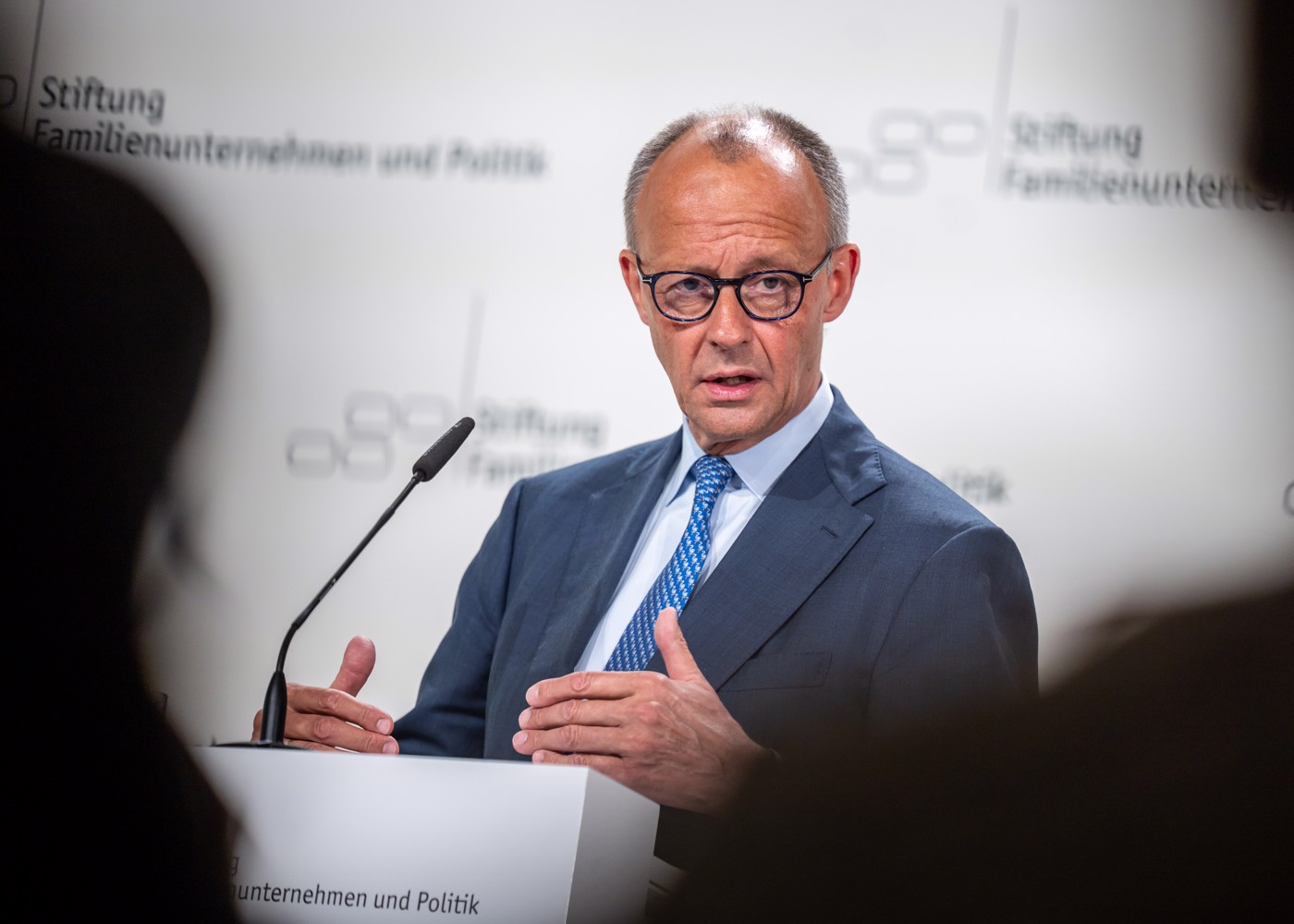

The extraordinary confrontation unfolded on Thursday afternoon at Berlin’s Hotel Adlon, according to Nius, when Merz addressed a gathering of the Foundation for Family Businesses and Politics beside the Brandenburg Gate.
The CDU Chancellor opened with praise for entrepreneurial initiative before lamenting that transforming a prosperous society proves harder than rebuilding post-war Germany. Merz insisted twice he spoke without self-pity, yet the message came through clearly: his current task surpasses the challenges faced by Germany’s postwar generation.
The atmosphere turned frigid during the question-and-answer session, a consistently precarious moment at Merz appearances. Nicola Leibinger-Kammüller, head of machine tool manufacturer Trumpf and a foundation board member, suggested cutting subsidies to large corporations rather than family businesses, which receive none. Merz snapped back testily, demanding she name specific subsidies so he could march to the Finance Ministry and eliminate them immediately.
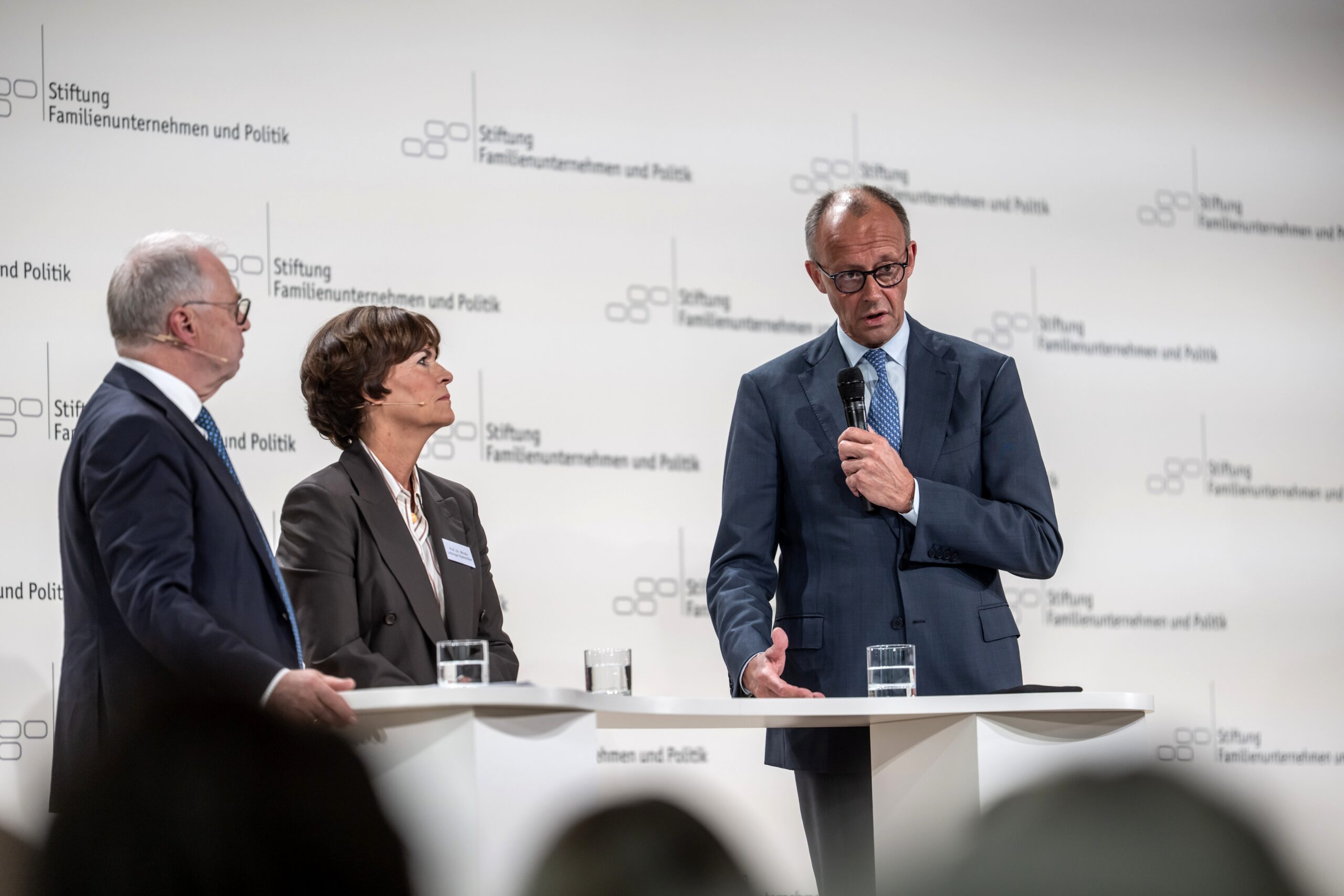
When Professor Rainer Kirchdörfer, the foundation’s executive board member, complained about the deteriorating public image of entrepreneurs and constant attacks on wealthy business owners, Merz launched into a lengthy rebuke.
The Chancellor criticized business leaders for avoiding public debate, claiming fewer entrepreneurs now accept invitations to Sunday evening talk shows. He acknowledged such appearances prove tedious and frustrating, facing considerable ignorance, but insisted politicians endure the same displeasure out of necessity.
Golf Course Insult
Merz then delivered his most provocative jab, painting family business leaders as wealthy golf enthusiasts hiding from responsibility. He challenged the assembled entrepreneurs on whether they regularly host podcasts, give interviews, or appear on television programs. Then came the barb: he encounters more business people on Sunday golf courses than in evening talk shows.
The Chancellor demanded entrepreneurs show their faces and demonstrate that business leadership involves responsible individuals crucial to Germany’s future. The audience sat in stunned silence before offering polite applause as Merz concluded.
Business Leader Fires Back
Leibinger-Kammüller responded with barely contained fury, describing unprecedented frustration at recent industry exhibitions. She recounted conversations with multiple entrepreneurs whose well-educated, hardworking children stand ready to take over family firms, yet parents refuse to pass the torch in good conscience. Instead, they liquidate their businesses entirely.
Rather than absorbing this stark warning about Germany’s economic future, Merz grew dismissive and combative, triggering what Nius characterized as an open battle between the Chancellor and the business community he claims to support.
The clash exposes deepening tensions between Germany’s political leadership and the Mittelstand family businesses that form the backbone of Europe’s largest economy. As these firms face mounting regulatory burdens, energy costs, and bureaucratic obstacles, Merz appears more interested in scolding them for insufficient public relations efforts than addressing their substantive concerns about operating conditions.
The Foundation for Family Businesses represents thousands of German enterprises that employ millions and generate substantial export revenues. Their leaders now confront a Chancellor who dismisses their warnings about unsustainable business environments while lecturing them about media appearances and weekend recreation habits.
With information from Nius





