Necessary Cookies

Required for the site to function. Cannot be disabled.

Analytics Cookies

Help us understand how visitors interact with our site (Google Analytics via GTM).

Marketing Cookies

Used to track visitors and deliver personalised advertisements.

We use cookies to enhance your browsing experience and analyse site traffic. By clicking Accept All, you consent to our use of cookies. Privacy Policy
NewsFire Global
Home News Europe World Christianity Culture Wars Opinion Video
Information
About Us Authors Advertising Terms & Conditions Privacy Policy Contact
R2B Media
R2B NEWSFIRE.GR PAPAFOTIS.GR THRACTION HELLENIC CONSERVATIVES RIGHT2THEBONE YT
News Europe

Mass Naturalization of Ukrainians on the Horizon?

Bavaria's interior minister says most of the state's 190,000 Ukrainian refugees cannot seek citizenship because they hold temporary protection status rather than employment permits.

Dimitris Papafotis
Dimitris Papafotis Editor in Chief
JUNE 9, 2026 AT 4:20 PM

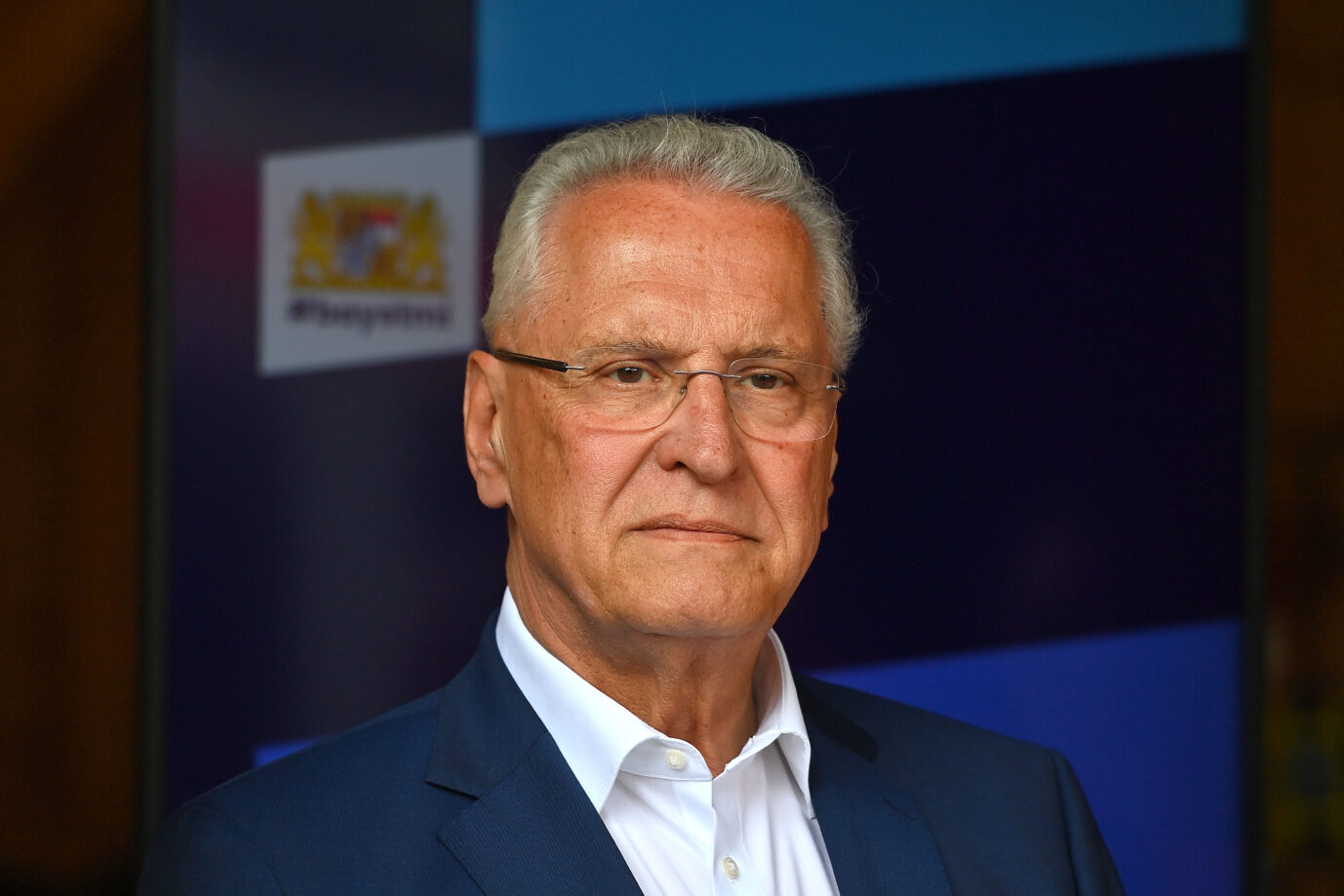
Joachim Herrmann of the Christian Social Union told reporters on Tuesday that the temporary protection status held by most Ukrainian war refugees in Germany fundamentally does not permit naturalization under existing law, according to Junge Freiheit.

The minister stated clearly that a large wave of citizenship applications from Ukrainian nationals should not be expected in the near future, dampening concerns that have emerged in recent political debates about potential mass naturalization.

Overwhelming Majority on Temporary Protection Status

According to data from Bavaria’s Interior Ministry, approximately 190,000 Ukrainian nationals currently reside in the Free State. The vast majority of this population, numbering 162,612 individuals, holds temporary protection status granted due to the ongoing war. This status was recently extended at the European Union level until March 4, 2027.

Only a small fraction of Ukrainians in Bavaria possess the type of residence permit that would even theoretically allow them to apply for naturalization. Herrmann revealed that just 2,417 Ukrainian nationals hold residence permits for the purpose of employment as skilled workers. This represents slightly more than one percent of all Ukrainians living in the state.

Strict Requirements Beyond Residence Status

The CSU politician further emphasized that naturalization is bound to additional stringent requirements beyond mere residence permit type. Only particularly well-integrated individuals who demonstrate German language proficiency, support themselves financially through their own income, have lived legally in Germany for many years, and have not committed criminal offenses qualify for citizenship.

Bavaria Leads in Ukrainian Employment Integration

Herrmann simultaneously highlighted positive employment integration figures for Ukrainians in Bavaria. Current data from the Federal Employment Agency shows approximately 57,300 Ukrainians in the state hold jobs subject to social insurance contributions.

The employment rate for Ukrainian nationals in Bavaria stands at 42.4 percent, the highest figure among all German states. The national average sits at 37.9 percent, making Bavaria’s integration performance notably above the federal benchmark.

The clarification comes amid broader national debate over immigration policy and citizenship requirements, with conservative voices consistently emphasizing the importance of maintaining rigorous standards for naturalization and ensuring genuine integration before granting full citizenship rights.

With information from Junge Freiheit

Share:
Dimitris Papafotis
Dimitris Papafotis

Dimitris Papafotis is the editor-in-chief of NewsFire.GR. He was born and raised in Athens. He studied at the Journalism Workshop (1991-1993). He currently lives in Pyrgos, Ilia, where he has been active in radio and various newspapers, while also maintaining his personal blog, Papafotis.gr.

Joachim Herrmann of the Christian Social Union told reporters on Tuesday that the temporary protection status held by most Ukrainian war refugees in Germany fundamentally does not permit naturalization under existing law, according to Junge Freiheit.

The minister stated clearly that a large wave of citizenship applications from Ukrainian nationals should not be expected in the near future, dampening concerns that have emerged in recent political debates about potential mass naturalization.

Overwhelming Majority on Temporary Protection Status

According to data from Bavaria’s Interior Ministry, approximately 190,000 Ukrainian nationals currently reside in the Free State. The vast majority of this population, numbering 162,612 individuals, holds temporary protection status granted due to the ongoing war. This status was recently extended at the European Union level until March 4, 2027.

Only a small fraction of Ukrainians in Bavaria possess the type of residence permit that would even theoretically allow them to apply for naturalization. Herrmann revealed that just 2,417 Ukrainian nationals hold residence permits for the purpose of employment as skilled workers. This represents slightly more than one percent of all Ukrainians living in the state.

Strict Requirements Beyond Residence Status

The CSU politician further emphasized that naturalization is bound to additional stringent requirements beyond mere residence permit type. Only particularly well-integrated individuals who demonstrate German language proficiency, support themselves financially through their own income, have lived legally in Germany for many years, and have not committed criminal offenses qualify for citizenship.

Bavaria Leads in Ukrainian Employment Integration

Herrmann simultaneously highlighted positive employment integration figures for Ukrainians in Bavaria. Current data from the Federal Employment Agency shows approximately 57,300 Ukrainians in the state hold jobs subject to social insurance contributions.

The employment rate for Ukrainian nationals in Bavaria stands at 42.4 percent, the highest figure among all German states. The national average sits at 37.9 percent, making Bavaria’s integration performance notably above the federal benchmark.

The clarification comes amid broader national debate over immigration policy and citizenship requirements, with conservative voices consistently emphasizing the importance of maintaining rigorous standards for naturalization and ensuring genuine integration before granting full citizenship rights.

With information from Junge Freiheit

