Necessary Cookies

Required for the site to function. Cannot be disabled.

Analytics Cookies

Help us understand how visitors interact with our site (Google Analytics via GTM).

Marketing Cookies

Used to track visitors and deliver personalised advertisements.

We use cookies to enhance your browsing experience and analyse site traffic. By clicking Accept All, you consent to our use of cookies. Privacy Policy
NewsFire Global
Home News Europe World Christianity Culture Wars Opinion Video
Information
About Us Authors Advertising Terms & Conditions Privacy Policy Contact
R2B Media
R2B NEWSFIRE.GR PAPAFOTIS.GR THRACTION HELLENIC CONSERVATIVES RIGHT2THEBONE YT
News Europe

Lithuania Moves to Lift Nuclear Weapons Ban After Finland

Lithuania's president announced consensus among political leaders to eliminate a constitutional ban on nuclear weapons to strengthen NATO alignment, following Finland's similar move.

Dimitris Papafotis
Dimitris Papafotis Editor in Chief
JULY 3, 2026 AT 5:49 PM

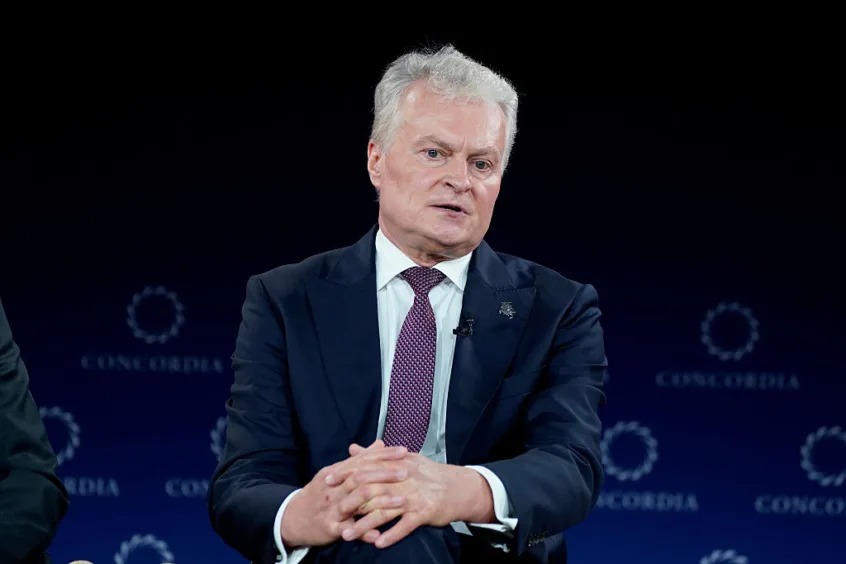
According to Brussels Signal, Nausėda told reporters on July 2 that near-unanimous support exists for removing Article 137 of Lithuania’s constitution following discussions with parliamentary and government leaders.

The constitutional article in question currently bars weapons of mass destruction and foreign military bases from Lithuanian territory. Nausėda characterized the clause as obsolete and emphasized it should be deleted entirely rather than modified.

The Lithuanian president warned that maintaining the prohibition could undermine the nation’s position within the Atlantic alliance. It would be truly unfortunate if we became the weak link or a grey zone within NATO, Nausėda stated.

Lithuania’s decision follows Finland’s recent move to repeal its own nuclear weapons ban. The Finnish parliament voted on June 17 to eliminate its prohibition, with the change becoming effective July 1 after President Alexander Stubb signed it into law. Finland shares approximately 1,340 kilometers of border with Russia.

Lithuania’s situation differs from Finland’s in that the Baltic nation’s ban is constitutionally embedded and ranks among the most restrictive of any NATO member state. Finland’s prohibition existed only in ordinary legislation.

Removing the constitutional provision will require a two-thirds majority in the Seimas, Lithuania’s parliament, with lawmakers required to vote twice with at least three months between ballots.

Nausėda indicated that the primary dispute centers on process rather than substance. The opposition Nemunas Dawn party contends the matter should go before voters in a referendum, though the president maintains parliament possesses the authority to act independently.

Lithuania borders both the Russian exclave of Kaliningrad and Moscow’s ally Belarus. The country has tripled its defense expenditures since Russia launched its full-scale invasion of Ukraine in 2022.

A combat-ready German brigade is scheduled to establish permanent basing in Lithuania beginning in 2027 as part of measures to deter further Russian aggression.

No Peacetime Deployment Planned

The constitutional debate has accelerated amid broader European discussions about nuclear deterrence. The Financial Times reported in early June that the United States was considering deploying nuclear weapons to additional NATO member states.

Defense Minister Robertas Kaunas clarified that any deployment of nuclear weapons on Lithuanian territory would only be contemplated during crisis situations or wartime, with no peacetime stationing planned.

Nausėda stressed that no immediate plans exist to store nuclear weapons in Lithuania, explaining that removing the constitutional clause would simply provide Vilnius with flexibility to respond to a deteriorating security environment.

With information from Brussels Signal
Share:
Dimitris Papafotis
Dimitris Papafotis

Dimitris Papafotis is the editor-in-chief of NewsFire.GR. He was born and raised in Athens. He studied at the Journalism Workshop (1991-1993). He currently lives in Pyrgos, Ilia, where he has been active in radio and various newspapers, while also maintaining his personal blog, Papafotis.gr.

According to Brussels Signal, Nausėda told reporters on July 2 that near-unanimous support exists for removing Article 137 of Lithuania’s constitution following discussions with parliamentary and government leaders.

The constitutional article in question currently bars weapons of mass destruction and foreign military bases from Lithuanian territory. Nausėda characterized the clause as obsolete and emphasized it should be deleted entirely rather than modified.

The Lithuanian president warned that maintaining the prohibition could undermine the nation’s position within the Atlantic alliance. It would be truly unfortunate if we became the weak link or a grey zone within NATO, Nausėda stated.

Lithuania’s decision follows Finland’s recent move to repeal its own nuclear weapons ban. The Finnish parliament voted on June 17 to eliminate its prohibition, with the change becoming effective July 1 after President Alexander Stubb signed it into law. Finland shares approximately 1,340 kilometers of border with Russia.

Lithuania’s situation differs from Finland’s in that the Baltic nation’s ban is constitutionally embedded and ranks among the most restrictive of any NATO member state. Finland’s prohibition existed only in ordinary legislation.

Removing the constitutional provision will require a two-thirds majority in the Seimas, Lithuania’s parliament, with lawmakers required to vote twice with at least three months between ballots.

Nausėda indicated that the primary dispute centers on process rather than substance. The opposition Nemunas Dawn party contends the matter should go before voters in a referendum, though the president maintains parliament possesses the authority to act independently.

Lithuania borders both the Russian exclave of Kaliningrad and Moscow’s ally Belarus. The country has tripled its defense expenditures since Russia launched its full-scale invasion of Ukraine in 2022.

A combat-ready German brigade is scheduled to establish permanent basing in Lithuania beginning in 2027 as part of measures to deter further Russian aggression.

No Peacetime Deployment Planned

The constitutional debate has accelerated amid broader European discussions about nuclear deterrence. The Financial Times reported in early June that the United States was considering deploying nuclear weapons to additional NATO member states.

Defense Minister Robertas Kaunas clarified that any deployment of nuclear weapons on Lithuanian territory would only be contemplated during crisis situations or wartime, with no peacetime stationing planned.

Nausėda stressed that no immediate plans exist to store nuclear weapons in Lithuania, explaining that removing the constitutional clause would simply provide Vilnius with flexibility to respond to a deteriorating security environment.

With information from Brussels Signal