
Kubicki Elected New FDP Leader After Contested Vote in Berlin
Wolfgang Kubicki, 74, was elected FDP chairman after defeating Marie-Agnes Strack-Zimmermann 390 to 259 votes in a surprise contested ballot at the party's Berlin congress.

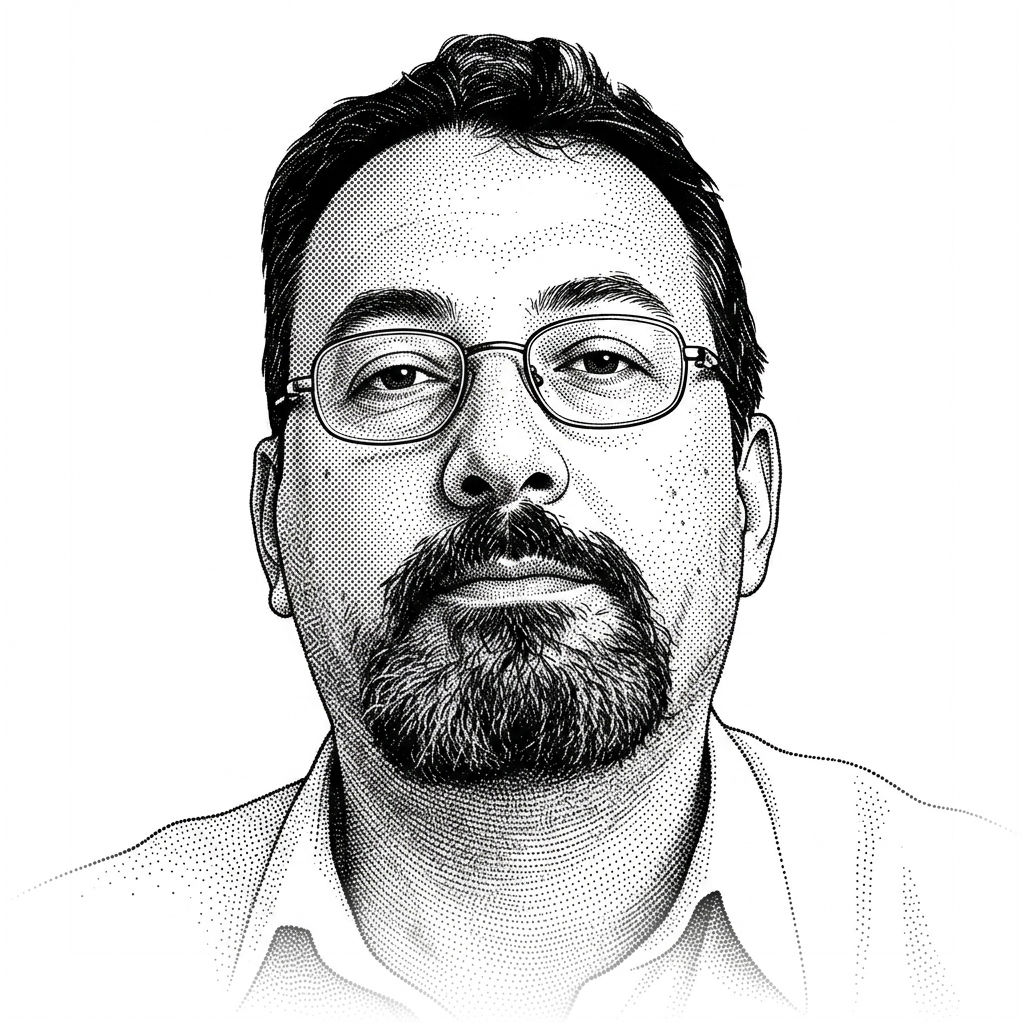
According to Junge Freiheit, Kubicki received 390 votes while Strack-Zimmermann secured 259 votes. The veteran FDP politician now takes the helm of a party struggling to find its political footing after a series of electoral defeats and its exit from the Bundestag.
Kubicki’s election had originally been seen as uncontested after several potential challengers, including North Rhine-Westphalia state chairman Henning Höne, withdrew from the race. Strack-Zimmermann only emerged as a candidate when delegates nominated her directly at the congress.
In his candidacy speech, Kubicki welcomed the competition in characteristically bold fashion, thanking Strack-Zimmermann and describing both candidates as old warhorses getting back in harness. The Schleswig-Holstein politician is known within the party for advocating a right-liberal course and aims to make the FDP more visible through sharper rhetoric.
Kubicki delivered combative words directed at the party’s opponents, stating that those who have no use for the value of freedom and constantly call for a strong state need not love the FDP, but should respect it and if necessary fear it.
Strack-Zimmermann Campaigns as Centrist Alternative
Strack-Zimmermann positioned herself as the candidate for a FDP that sees itself more strongly as a shaping force in the political center. She warned that the party must not sound like a poorly tempered memory of better times.
The former European Parliament member, who has distinguished herself as a prominent supporter of Ukraine, emphasized that she was running to prevent what she called a rotten castle peace. She sharply criticized her own party’s internal culture, stating that the FDP loves competition as long as it does not actually take place, preaches performance as long as it does not lead to uncomfortable candidacies, and preaches freedom of opinion while internally demanding uniformity of opinion.
In her address, Strack-Zimmermann also focused on the threat posed by Russia, arguing that Germany should not constantly send signals of economic vulnerability to Moscow. She concluded her speech with a call for boldness and courage alongside fiscal stability, ending with praise for freedom and Europe, and the Ukrainian slogan Slava Ukraini.
Party Leadership Acknowledges Failures
Outgoing chairman Christian Dürr delivered a self-critical farewell speech in which he acknowledged that the Free Democrats have drawn their lessons and are changing, as Junge Freiheit reports. Dürr warned against timidity in the political center, insisting that the FDP must be the counterproposal to cowardice in German politics.
The congress was also overshadowed by debate over the party’s relationship with the Alternative for Germany (AfD). Strack-Zimmermann spoke against any rapprochement with what she termed the far-right party, declaring that the best firewall against extremist thought is a liberal compass.
Kubicki now faces the challenge of reviving a party that has lost parliamentary representation and suffered significant electoral setbacks. His right-liberal positioning and confrontational style mark a clear direction for the FDP as it attempts to rebuild its political relevance in Germany’s fragmented party landscape.
With information from Junge Freiheit





