
Italian Prosecutors Hide Suspect Nationality From Public
Italian prosecutors in Perugia have restricted mentioning criminal suspects' nationality in press releases, igniting debate in a country where foreigners represent 9% of residents but 35% of crime suspects.
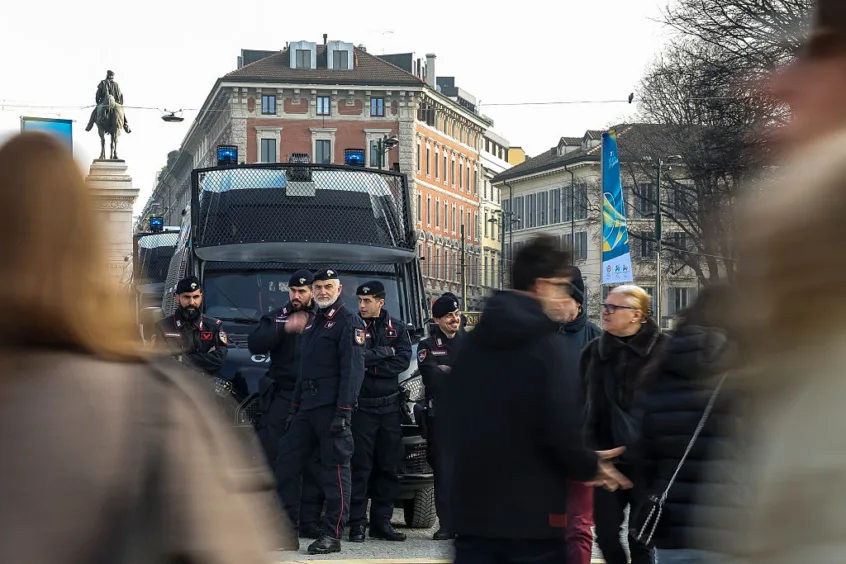

The policy, which became public on 11 July 2026, instructs prosecutors not to mention suspects’ nationality in communications unless there is a specific and justified public-interest reason, according to Brussels Signal.
While the measure applies only to the Perugia district and does not prevent journalists from independently reporting nationality, it has rapidly escalated into a national political controversy amid concerns that other judicial districts could follow suit, fundamentally altering how crime information is disseminated across Italy.

The timing is particularly contentious given Italy’s stark crime statistics. Foreign nationals comprise roughly 9 percent of Italy’s resident population but represented approximately 34.7 percent of individuals reported or investigated for crimes in 2024, based on Interior Ministry data cited by Brussels Signal.
The disparity is even more pronounced in certain categories of street crime, with foreign nationals accounting for a disproportionate share of reported pickpocketing, street robbery, and theft offences according to police statistics.
Prison Population Reflects Similar Patterns
Italy’s Ministry of Justice figures show that foreign citizens made up around 31.6 percent of inmates in Italian prisons in 2025—approximately 19,800 prisoners out of a total population of about 62,700—despite representing only one-tenth of the resident population.
Among foreign nationals in Italy’s criminal justice system, the largest groups include citizens from Morocco, Romania, Albania, Tunisia, Nigeria, Egypt, Senegal, Algeria, and Gambia, according to Ministry of Justice data.
Political Backlash Intensifies
Supporters of the Perugia guidelines argue the measure prevents discrimination and collective blame against specific nationalities or migrant groups, particularly before convictions are secured.
Centre-right critics, however, contend that nationality can constitute relevant information when assessing security trends, and that limiting official communication undermines transparency on matters of legitimate public concern.
Riccardo Augusto Marchetti, the League’s regional secretary in Umbria, announced plans to question Justice Minister Carlo Nordio, asserting that citizens should have access to information on criminal cases with potential social relevance.
Timing Raises Questions
The controversy erupted just three days after Prime Minister Giorgia Meloni‘s Brothers of Italy party on 8 July 2026 presented a proposal to accelerate deportations of non-EU nationals convicted of serious crimes. Migration control, deportations, and security remain centerpiece issues of the government’s agenda.
Though the Perugia decision is currently limited to one judicial district, it could set a precedent for broader national adoption. Other prosecutors’ offices may consider implementing similar guidelines, while lawmakers could push for national standards governing judicial communication practices.
The measure does not constitute a nationwide rule and journalists retain the ability to independently report suspects’ nationality. However, the political implications extend far beyond one prosecutor’s office, touching on fundamental questions about transparency, public safety reporting, and migration policy in contemporary Italy.
With information from Brussels Signal





