I Used to Think Americans Were Paranoid About Freedom Until Australia
An Australian commentator argues that Australia's lack of constitutional free speech protections has enabled rapid government control of discourse, vindicating America's fierce defense of First Amendment rights.
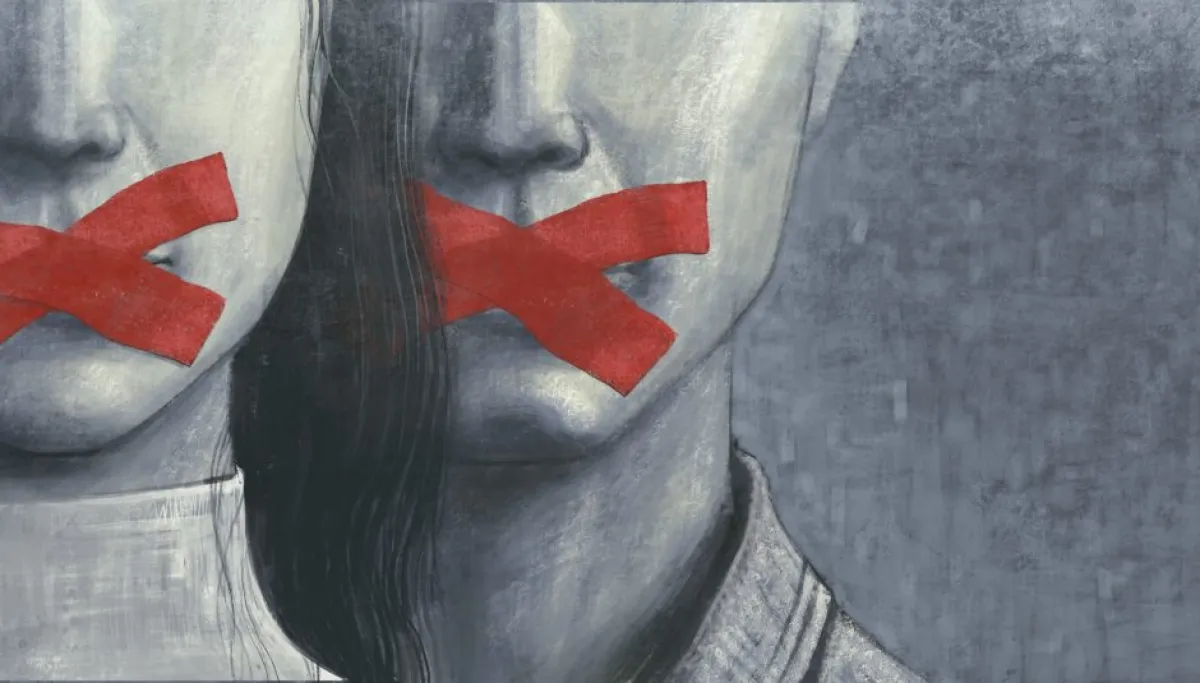

According to William Nye writing in Washington Examiner, his upbringing in Australia left him baffled by Americans’ relentless battles over the First Amendment, the Second Amendment, and other constitutional freedoms. Those disputes often appeared excessive from abroad. Yet witnessing how swiftly an Australian government can act when rights are treated as mere privileges has transformed his perspective entirely.
As America marks its 250th birthday, the nation’s deep patriotism toward the Founding Fathers and founding principles stands out. The architects of American democracy grasped the concept of natural rights and recognized the threat posed by governments empowered to strip those rights away. Philosophers like John Stuart Mill similarly emphasized protecting individual liberty from government overreach and mob rule.
Australia, however, charted a different course. While the framers of the Australian Constitution drew some inspiration from the American system, they failed to embrace the same understanding of natural rights that animated America’s founders.
At surface level, America and Australia share cultural similarities—common language, entertainment, and many parallel debates. Yet on free speech, the two nations occupy opposite poles. In America, free speech enjoys constitutional protection; in Australia, no such safeguard exists. Australia treats speech as a privilege; America treats it as a right. That distinction carries profound consequences. A right demands government respect. A privilege can be regulated, narrowed, or revoked whenever officials deem circumstances warrant intervention.


This fundamental divergence became glaringly apparent during COVID-19 lockdowns, when Australia went viral for implementing some of the strictest measures among democratic nations. The contrast emerged again, far more tragically, following the 2025 Bondi Beach shooting that claimed 15 lives.
In the aftermath of the Bondi massacre, Prime Minister Anthony Albanese warned that “far-right” extremism was surging—despite the attack being carried out by radical Islamist gunmen. Shortly thereafter, his government rushed the “Combatting Antisemitism, Hate and Extremism” bill through Parliament. Officials claimed the legislation came together rapidly, though the speed suggested prior preparation. Embedded within were fresh restrictions on what the government labels “hate speech.”
This followed remarks by New South Wales Premier Chris Minns, who has been forthright about Australia’s stance on free expression. When asked whether the laws infringed on free speech, he reportedly didn’t equivocate. Yeah, it does, he acknowledged—adding that Australia doesn’t have the same freedom of speech protections as the United States, and that if keeping the public safe requires such measures, that’s exactly what they’ll implement.
This pattern isn’t isolated. In 2024, the same government attempted to advance legislation granting regulators authority to formally determine what constitutes “misinformation”—in effect, what it disagrees with. The bill was withdrawn after public backlash, but the underlying impulse remains identical to what’s on display today.
What the Australian government refuses to confront, and what America has always understood, is that freedom carries a price. When free speech exists, hate speech will occasionally surface. But the critical question becomes: what’s more dangerous—allowing that speech to exist, or empowering government to decide it knows better? Eliminate that freedom, and democracy itself suffers structural damage beyond merely losing a right.
America has approached this precipice as well. During the Biden administration, Murthy v. Missouri reached the Supreme Court. Missouri and Louisiana, joined by five individuals including epidemiologists who had criticized COVID lockdowns and the owner of a conservative news site that had been deplatformed, sued the administration. They argued officials had pressured social media companies to remove content deemed “misinformation,” largely pandemic-related, violating their First Amendment rights. The Court sided with the government on a technicality—the plaintiffs lacked “standing” to bring suit—rather than addressing the merits. While this didn’t settle whether the pressure crossed constitutional lines, it forced the issue into public view.
That accountability mechanism is precisely what Australia lacks. Australians often take pride in a laid-back, “she’ll be right” attitude—but on this issue, that same instinct has backfired catastrophically. Americans, by contrast, treat the First Amendment as sacred and defend it in courts, in public discourse, and in principle.
The Australian experience now serves as a cautionary tale demonstrating why American vigilance over constitutional rights isn’t paranoia—it’s prudence. When freedoms are treated as privileges subject to government discretion rather than inalienable rights, their disappearance can occur with alarming speed.
With information from Washington Examiner