Necessary Cookies

Required for the site to function. Cannot be disabled.

Analytics Cookies

Help us understand how visitors interact with our site (Google Analytics via GTM).

Marketing Cookies

Used to track visitors and deliver personalised advertisements.

We use cookies to enhance your browsing experience and analyse site traffic. By clicking Accept All, you consent to our use of cookies. Privacy Policy
NewsFire Global
Home News Europe World Christianity Culture Wars Opinion Video
Information
About Us Authors Advertising Terms & Conditions Privacy Policy Contact
R2B Media
R2B NEWSFIRE.GR PAPAFOTIS.GR THRACTION HELLENIC CONSERVATIVES RIGHT2THEBONE YT
News World

Greek LNG Tanker Struck Off Oman Exiting Strait of Hormuz

A Greek-operated LNG carrier was attacked off Oman while leaving the Strait of Hormuz, the second strike on a vessel carrying Qatari gas in under a month.

AUGUST 4, 2026 AT 9:39 AM

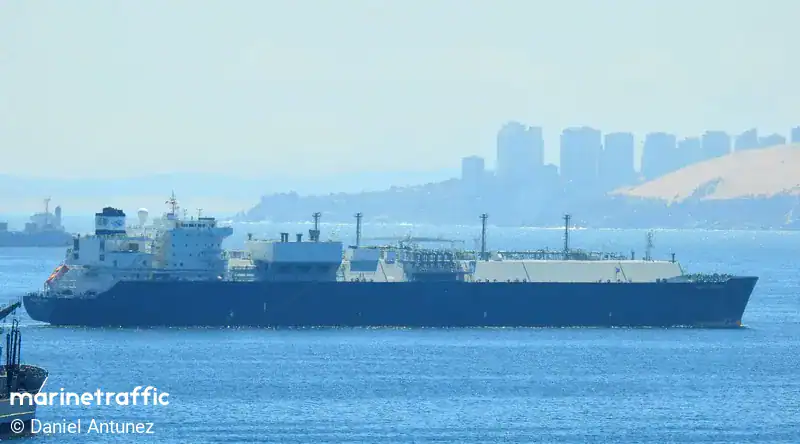
The GasLog Shanghai was struck on 31 July as it exited the strategically vital waterway, according to Greek City Times. The vessel’s owner, GasLog, confirmed the incident and reported that the ship remains in stable condition with no crew injuries.

The carrier had loaded its cargo of Qatari liquefied natural gas at the Ras Laffan Industrial Complex on 27 July, just days before the attack occurred.

Second Attack in Under a Month

This incident represents the second assault on an LNG carrier transporting Qatari gas through the region. On 6 July, Iran attacked the QatarEnergy-controlled tanker Al Rekayyat, alongside a Saudi-flagged crude oil tanker, as Greek City Times reports.

The timing of the latest strike is particularly notable, coming only two days after another QatarEnergy-operated LNG carrier, the Al-Areesh, successfully transited the Strait of Hormuz with Iranian approval.

Critical Energy Chokepoint Under Threat

The Strait of Hormuz represents one of the world’s most vital energy transit routes, with approximately one-fifth of global LNG supply normally flowing through the narrow waterway. Iran’s earlier decision to effectively shut down the strait had severely constrained exports from both Qatar and the United Arab Emirates.

Qatar held the position of the world’s second-largest LNG exporter in 2025, trailing only the United States. A ceasefire announcement in mid-June between the US, Israel and Iran had generated optimism that the strait would reopen to normal traffic.

Sheikh Mohammed bin Abdulrahaman Al Thani, Qatar’s Prime Minister, stated at that time that QatarEnergy anticipated resuming normal production levels within several weeks.

European Energy Supplies Disrupted

Those recovery plans were derailed by the attack on the Al Rekayyat. In late July, QatarEnergy extended its force majeure declaration on LNG shipments to European customers through the end of September.

Italian energy firm Edison has experienced some of the most severe impacts, with 24 cargoes delayed since early April. The continued disruption threatens Europe’s energy security as the continent seeks alternatives to other sources of natural gas supply.

The attacks underscore the vulnerability of global energy infrastructure to regional conflicts and the strategic leverage Iran maintains over critical shipping lanes in the Persian Gulf.

With information from Greek City Times

Share:
Eleni Papadaki-Van Der Merwe

She was born in 1986 in Johannesburg, South Africa. She is the granddaughter of an immigrant from Crete who settled in the Greek community of Johannesburg (one of the largest in Africa). She holds a bachelor’s degree in International Relations and Political Science from the University of the Witwatersrand (Wits) in Johannesburg and a master’s degree in Journalism from Rhodes University in Grahamstown. She began her career at English-language media outlets in Johannesburg, covering politics and economics, with a focus on issues related to migration and the diaspora. She moved to Athens in 2015 to “return to her roots,” initially to pursue graduate studies, and has remained there permanently. She is married to an Afrikaner; they have two children and live in the southern suburbs of Athens.

The GasLog Shanghai was struck on 31 July as it exited the strategically vital waterway, according to Greek City Times. The vessel’s owner, GasLog, confirmed the incident and reported that the ship remains in stable condition with no crew injuries.

The carrier had loaded its cargo of Qatari liquefied natural gas at the Ras Laffan Industrial Complex on 27 July, just days before the attack occurred.

Second Attack in Under a Month

This incident represents the second assault on an LNG carrier transporting Qatari gas through the region. On 6 July, Iran attacked the QatarEnergy-controlled tanker Al Rekayyat, alongside a Saudi-flagged crude oil tanker, as Greek City Times reports.

The timing of the latest strike is particularly notable, coming only two days after another QatarEnergy-operated LNG carrier, the Al-Areesh, successfully transited the Strait of Hormuz with Iranian approval.

Critical Energy Chokepoint Under Threat

The Strait of Hormuz represents one of the world’s most vital energy transit routes, with approximately one-fifth of global LNG supply normally flowing through the narrow waterway. Iran’s earlier decision to effectively shut down the strait had severely constrained exports from both Qatar and the United Arab Emirates.

Qatar held the position of the world’s second-largest LNG exporter in 2025, trailing only the United States. A ceasefire announcement in mid-June between the US, Israel and Iran had generated optimism that the strait would reopen to normal traffic.

Sheikh Mohammed bin Abdulrahaman Al Thani, Qatar’s Prime Minister, stated at that time that QatarEnergy anticipated resuming normal production levels within several weeks.

European Energy Supplies Disrupted

Those recovery plans were derailed by the attack on the Al Rekayyat. In late July, QatarEnergy extended its force majeure declaration on LNG shipments to European customers through the end of September.

Italian energy firm Edison has experienced some of the most severe impacts, with 24 cargoes delayed since early April. The continued disruption threatens Europe’s energy security as the continent seeks alternatives to other sources of natural gas supply.

The attacks underscore the vulnerability of global energy infrastructure to regional conflicts and the strategic leverage Iran maintains over critical shipping lanes in the Persian Gulf.

With information from Greek City Times