Necessary Cookies

Required for the site to function. Cannot be disabled.

Analytics Cookies

Help us understand how visitors interact with our site (Google Analytics via GTM).

Marketing Cookies

Used to track visitors and deliver personalised advertisements.

We use cookies to enhance your browsing experience and analyse site traffic. By clicking Accept All, you consent to our use of cookies. Privacy Policy
NewsFire Global
Home News Europe World Christianity Culture Wars Opinion Video
Information
About Us Authors Advertising Terms & Conditions Privacy Policy Contact
R2B Media
R2B NEWSFIRE.GR PAPAFOTIS.GR THRACTION HELLENIC CONSERVATIVES RIGHT2THEBONE YT
News Europe

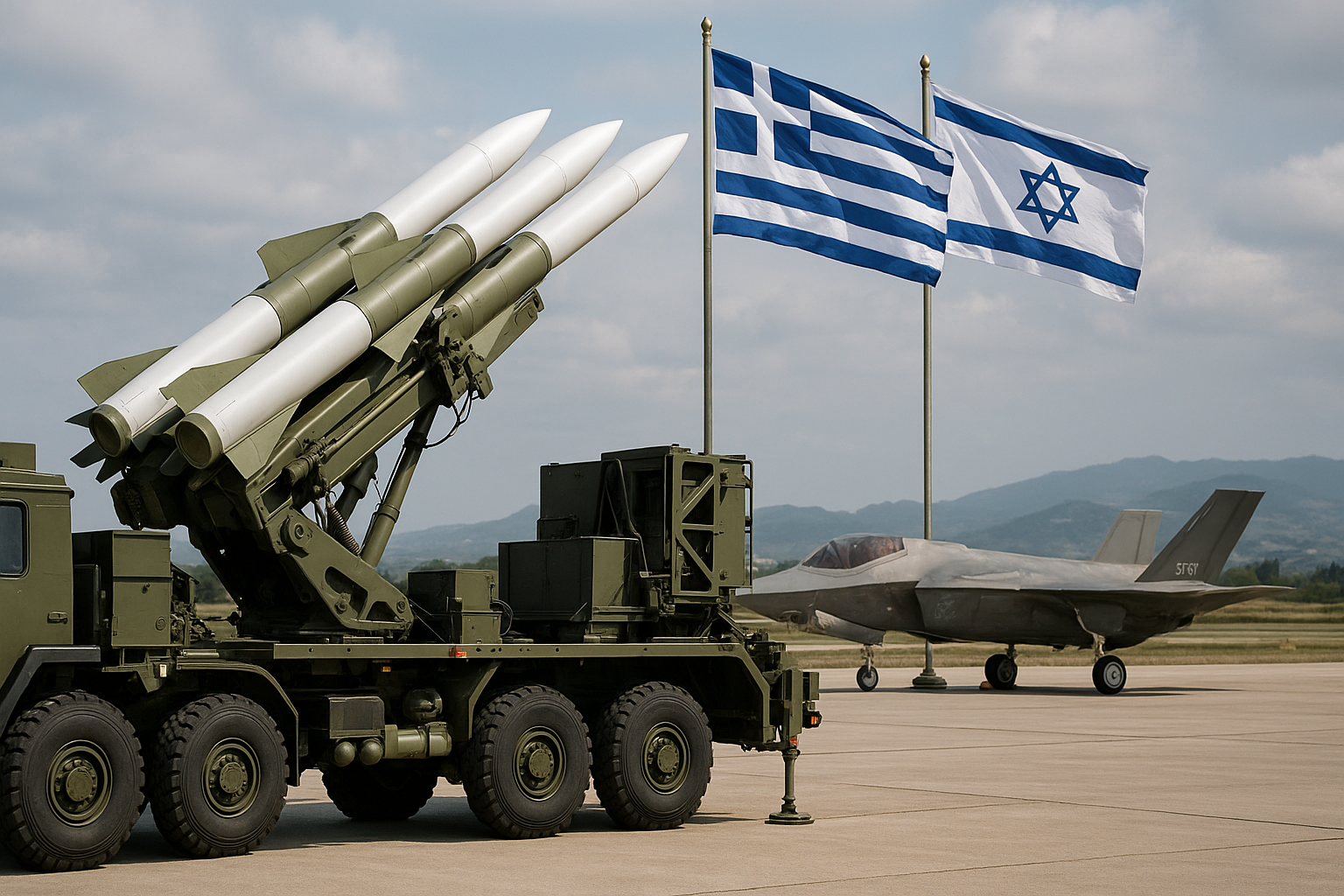
Greece Eyes $3.42B Israeli Air Defense System Deal

Turkey was barred from the F-35 fighter program after acquiring Russian S-400 systems, with Washington citing fears that Moscow could access sensitive stealth technology.

Dimitris Papafotis
Dimitris Papafotis Editor in Chief
JULY 23, 2026 AT 1:37 AM

Turkey’s exclusion from America’s most advanced fifth-generation fighter program stems from a deliberate U.S. “red line” designed to prevent sensitive military technology from falling into Ankara’s hands, according to Telegram @clashreport.

The decision to bar Turkey from the F-35 Joint Strike Fighter program reflects deep-seated American concerns about the reliability of its NATO ally, particularly following Ankara’s acquisition of Russian S-400 air defense systems and its increasingly assertive regional ambitions.

Strategic Technology Safeguards

Washington has maintained strict controls over the transfer of cutting-edge fighter technology, viewing Turkey’s close military and intelligence cooperation with Russia as incompatible with access to the F-35’s advanced capabilities. The aircraft’s stealth features, sensor fusion systems, and networked warfare capabilities represent some of the most closely guarded secrets in Western military aviation.

Turkey had been a partner nation in the F-35 development program and was slated to receive more than 100 aircraft before the United States formally removed Ankara from the initiative in 2019. Turkish defense contractors had also been integrated into the F-35 supply chain, producing components for the international fleet.

The S-400 Trigger

The final break came when Turkey proceeded with its purchase and deployment of the Russian S-400 missile defense system despite repeated American warnings. U.S. defense officials argued that allowing F-35s to operate in proximity to Russian-made radar systems would compromise the aircraft’s stealth profile and potentially expose sensitive operational data to Moscow.

Turkey’s government in Constantinople has repeatedly protested the exclusion, arguing that it had legitimate air defense needs and that Washington’s refusal to sell Patriot missile systems on favorable terms left Ankara with few alternatives. These arguments have failed to move American policymakers, who view the S-400 acquisition as a fundamental breach of alliance trust.

Regional Implications

The F-35 ban has forced Turkey to pursue alternative options, including attempts to develop an indigenous fifth-generation fighter and overtures to purchase Russian Su-57 aircraft. Neither path offers a near-term solution to Turkey’s growing fighter capability gap relative to regional rivals.

Greece, by contrast, has moved forward with its own F-35 procurement, creating a widening technological advantage in the Eastern Mediterranean. This shift in the regional balance of air power carries significant implications for ongoing disputes over maritime boundaries, energy resources, and Cyprus.

American defense analysts note that the Turkey exclusion serves multiple strategic purposes beyond technology protection. It functions as a clear signal to other NATO members about the consequences of deepening military ties with Russia, while simultaneously constraining Turkey’s ability to project force beyond its borders.

The red line around Turkey and the F-35 program appears unlikely to shift in the foreseeable future, barring a fundamental reorientation of Ankara’s foreign and defense policies toward greater alignment with Western security priorities.

With information from Telegram @clashreport

Share:
Dimitris Papafotis
Dimitris Papafotis

Dimitris Papafotis is the editor-in-chief of NewsFire.GR. He was born and raised in Athens. He studied at the Journalism Workshop (1991-1993). He currently lives in Pyrgos, Ilia, where he has been active in radio and various newspapers, while also maintaining his personal blog, Papafotis.gr.

Turkey’s exclusion from America’s most advanced fifth-generation fighter program stems from a deliberate U.S. “red line” designed to prevent sensitive military technology from falling into Ankara’s hands, according to Telegram @clashreport.

The decision to bar Turkey from the F-35 Joint Strike Fighter program reflects deep-seated American concerns about the reliability of its NATO ally, particularly following Ankara’s acquisition of Russian S-400 air defense systems and its increasingly assertive regional ambitions.

Strategic Technology Safeguards

Washington has maintained strict controls over the transfer of cutting-edge fighter technology, viewing Turkey’s close military and intelligence cooperation with Russia as incompatible with access to the F-35’s advanced capabilities. The aircraft’s stealth features, sensor fusion systems, and networked warfare capabilities represent some of the most closely guarded secrets in Western military aviation.

Turkey had been a partner nation in the F-35 development program and was slated to receive more than 100 aircraft before the United States formally removed Ankara from the initiative in 2019. Turkish defense contractors had also been integrated into the F-35 supply chain, producing components for the international fleet.

The S-400 Trigger

The final break came when Turkey proceeded with its purchase and deployment of the Russian S-400 missile defense system despite repeated American warnings. U.S. defense officials argued that allowing F-35s to operate in proximity to Russian-made radar systems would compromise the aircraft’s stealth profile and potentially expose sensitive operational data to Moscow.

Turkey’s government in Constantinople has repeatedly protested the exclusion, arguing that it had legitimate air defense needs and that Washington’s refusal to sell Patriot missile systems on favorable terms left Ankara with few alternatives. These arguments have failed to move American policymakers, who view the S-400 acquisition as a fundamental breach of alliance trust.

Regional Implications

The F-35 ban has forced Turkey to pursue alternative options, including attempts to develop an indigenous fifth-generation fighter and overtures to purchase Russian Su-57 aircraft. Neither path offers a near-term solution to Turkey’s growing fighter capability gap relative to regional rivals.

Greece, by contrast, has moved forward with its own F-35 procurement, creating a widening technological advantage in the Eastern Mediterranean. This shift in the regional balance of air power carries significant implications for ongoing disputes over maritime boundaries, energy resources, and Cyprus.

American defense analysts note that the Turkey exclusion serves multiple strategic purposes beyond technology protection. It functions as a clear signal to other NATO members about the consequences of deepening military ties with Russia, while simultaneously constraining Turkey’s ability to project force beyond its borders.

The red line around Turkey and the F-35 program appears unlikely to shift in the foreseeable future, barring a fundamental reorientation of Ankara’s foreign and defense policies toward greater alignment with Western security priorities.

With information from Telegram @clashreport

