
Germany Rejects Brussels’ €2 Trillion Spending Spree
Germany demands a €400 billion cut to the EU's proposed €2 trillion budget for 2028-2034, refusing to continue unlimited increases as the bloc's largest net contributor.
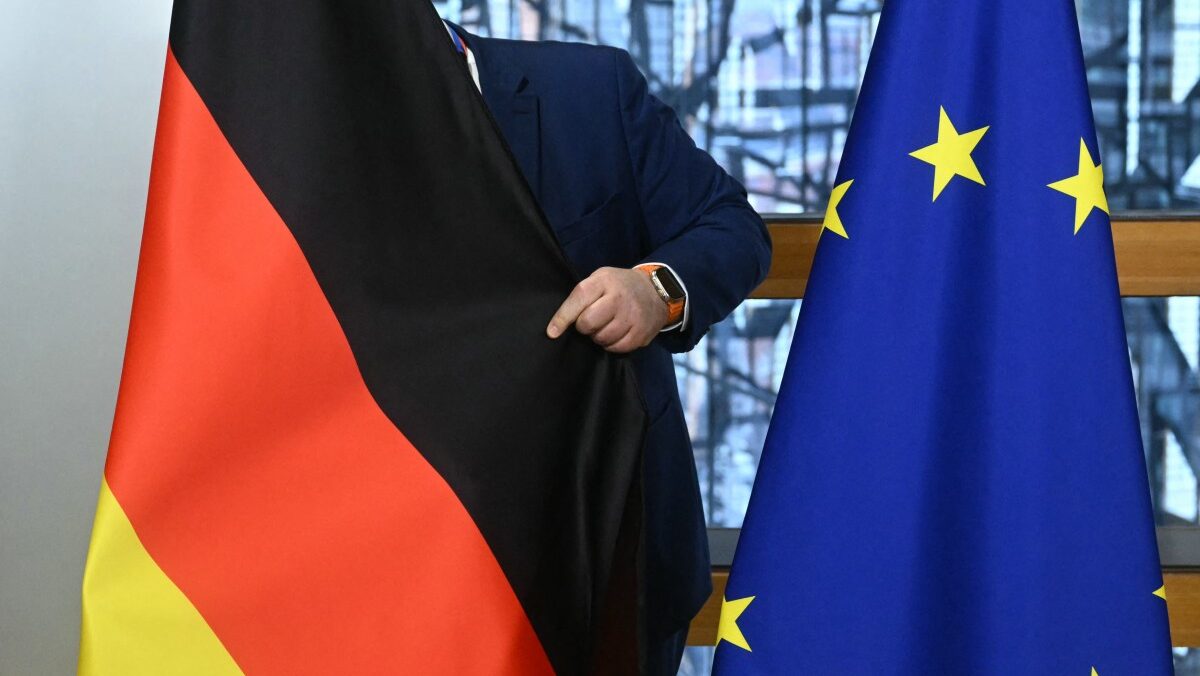

Chancellor Friedrich Merz‘s government has declared the European Commission’s nearly €2 trillion spending plan simply unaffordable, throwing the bloc’s long-term financial planning into uncertainty.
The proposed seven-year budget framework is designed to finance Brussels’ priorities across defence, competitiveness, industrial policy, border security, foreign affairs, agriculture, and regional development. But Berlin is no longer willing to foot an ever-expanding bill.
As the European Union’s largest net contributor, Germany has made its position clear: the money has to come from somewhere, and German taxpayers will not continue to shoulder unlimited increases in EU spending.
Berlin Draws a Red Line
According to internal government documentation cited by The European Conservative, the German government views the Commission’s budgetary ambitions as disconnected from economic reality. Berlin’s objection centers on both the scale of proposed spending and the lack of fiscal discipline within EU institutions.
The move signals a broader shift in Germany’s approach to European integration under the Merz administration, which has adopted a more assertive stance on fiscal matters compared to previous governments.
Budget Battle Ahead
The proposed €400 billion reduction would represent a dramatic scaling back of Brussels’ plans and could force significant compromises on key policy areas. All EU member states must agree unanimously on the multi-annual financial framework, giving Germany substantial leverage in negotiations.
The standoff comes as the European Union faces mounting pressure to increase spending on defence following Russia’s ongoing military operations in Ukraine, while simultaneously dealing with economic stagnation and competitiveness challenges vis-à-vis the United States and China.
Germany’s demand sets the stage for contentious negotiations over the coming months, with smaller member states and net recipients of EU funds likely to resist any substantial cuts to programs from which they benefit.
With information from The European Conservative





