Necessary Cookies

Required for the site to function. Cannot be disabled.

Analytics Cookies

Help us understand how visitors interact with our site (Google Analytics via GTM).

Marketing Cookies

Used to track visitors and deliver personalised advertisements.

We use cookies to enhance your browsing experience and analyse site traffic. By clicking Accept All, you consent to our use of cookies. Privacy Policy
NewsFire Global
Home News Europe World Christianity Culture Wars Opinion Video
Information
About Us Authors Advertising Terms & Conditions Privacy Policy Contact
R2B Media
R2B NEWSFIRE.GR PAPAFOTIS.GR THRACTION HELLENIC CONSERVATIVES RIGHT2THEBONE YT
News Culture Wars

Germans Self-Censor Opinions to Avoid Disadvantages, Poll Shows

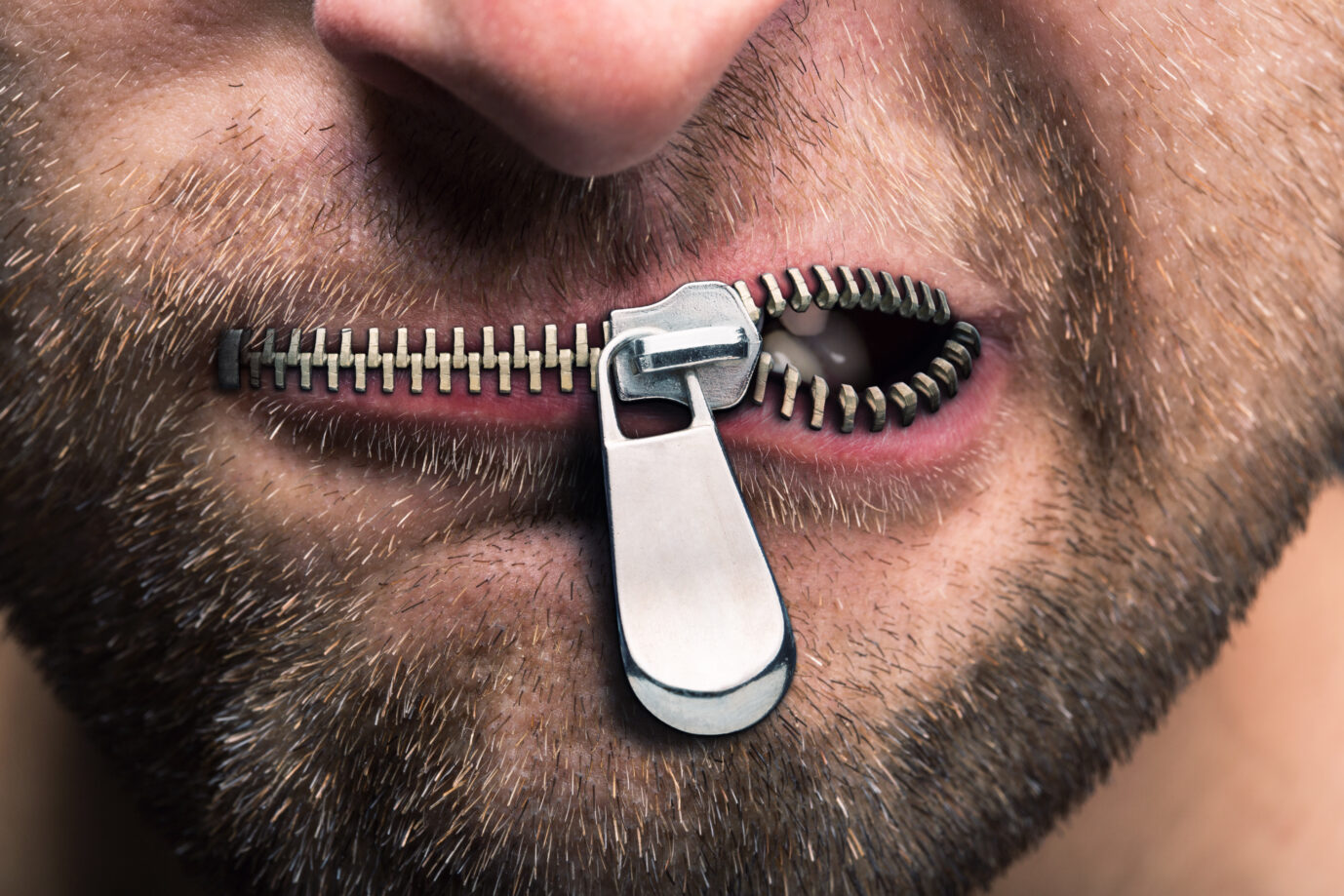
A new poll shows 59 percent of Germans self-censor to avoid upsetting others, while 30 percent have lost faith in reporting crimes to police due to expected inaction.
Stefanos Banos
Stefanos Banos Staff Writer
AUGUST 18, 2026 AT 6:00 PM

According to Junge Freiheit, the latest Insa survey found that 59 percent of Germans have at some point withheld their opinions to avoid angering others or experiencing disadvantages. Only 29 percent said they had not engaged in such self-censorship.

The findings paint a concerning picture of public confidence in German institutions and social discourse. Some 30 percent of respondents revealed they had previously chosen not to report a crime they experienced to police because they did not believe it would lead to any positive outcome. Meanwhile, 56 percent said they had not had this experience.

The survey also examined Germans’ preparedness for old-age poverty. Forty-one percent of respondents admitted they have not made sufficient provision to protect themselves from poverty in retirement. In contrast, 35 percent stated they had adequately secured their financial future.

The data showed significant variations across political party lines. Voters for the Green Party were most likely to have made retirement provisions at 51 percent, followed by supporters of the CDU/CSU union at 49 percent and FDP backers at 46 percent. Left Party supporters were least prepared at 52 percent who had not made sufficient provisions, followed by BSW supporters at 49 percent and AfD voters at 47 percent.

FDP Clears Parliamentary Threshold

The latest Sunday voting intention poll showed the Alternative for Germany (AfD) holding steady at 28.5 percent, maintaining its position as the country’s most popular party. The CDU/CSU union remained at 20.5 percent, while the Greens stood at 13 percent.

The Left Party climbed to 12 percent, gaining half a percentage point from the previous survey. The Social Democrats (SPD) slipped by the same margin to 12 percent. The Free Democrats (FDP) rose by half a point to reach five percent, crossing the crucial threshold needed to enter the Bundestag. The BSW remained unchanged at three percent.

When asked about their maximum willingness to consider voting for each party, 35.5 percent of Germans said they could imagine supporting the AfD. The union parties had a potential voter base of 33.5 percent, the SPD 34 percent, and the Greens 30 percent. Twenty-four percent would consider voting for the Left Party, 17 percent for the FDP, and 16 percent for the BSW.

With information from Junge Freiheit

Share:
Stefanos Banos
Stefanos Banos

Stefanos Banos was born in Piraeus and is an editor at NewsFire.GR, specializing in political analysis and international relations. He graduated from the Department of Communication and Media at the University of Bremen in Germany, where he also completed his Master of Arts in Communication and Media Studies. Married to Zoi, he is a proud father of three boys.

According to Junge Freiheit, the latest Insa survey found that 59 percent of Germans have at some point withheld their opinions to avoid angering others or experiencing disadvantages. Only 29 percent said they had not engaged in such self-censorship.

The findings paint a concerning picture of public confidence in German institutions and social discourse. Some 30 percent of respondents revealed they had previously chosen not to report a crime they experienced to police because they did not believe it would lead to any positive outcome. Meanwhile, 56 percent said they had not had this experience.

The survey also examined Germans’ preparedness for old-age poverty. Forty-one percent of respondents admitted they have not made sufficient provision to protect themselves from poverty in retirement. In contrast, 35 percent stated they had adequately secured their financial future.

The data showed significant variations across political party lines. Voters for the Green Party were most likely to have made retirement provisions at 51 percent, followed by supporters of the CDU/CSU union at 49 percent and FDP backers at 46 percent. Left Party supporters were least prepared at 52 percent who had not made sufficient provisions, followed by BSW supporters at 49 percent and AfD voters at 47 percent.

FDP Clears Parliamentary Threshold

The latest Sunday voting intention poll showed the Alternative for Germany (AfD) holding steady at 28.5 percent, maintaining its position as the country’s most popular party. The CDU/CSU union remained at 20.5 percent, while the Greens stood at 13 percent.

The Left Party climbed to 12 percent, gaining half a percentage point from the previous survey. The Social Democrats (SPD) slipped by the same margin to 12 percent. The Free Democrats (FDP) rose by half a point to reach five percent, crossing the crucial threshold needed to enter the Bundestag. The BSW remained unchanged at three percent.

When asked about their maximum willingness to consider voting for each party, 35.5 percent of Germans said they could imagine supporting the AfD. The union parties had a potential voter base of 33.5 percent, the SPD 34 percent, and the Greens 30 percent. Twenty-four percent would consider voting for the Left Party, 17 percent for the FDP, and 16 percent for the BSW.

With information from Junge Freiheit

