
Germans Now Called “Non-Migrants” on State TV
Germany's public broadcaster ARD sparked controversy by referring to native Germans as "non-migrants" in a segment celebrating the 77th anniversary of the German constitution.
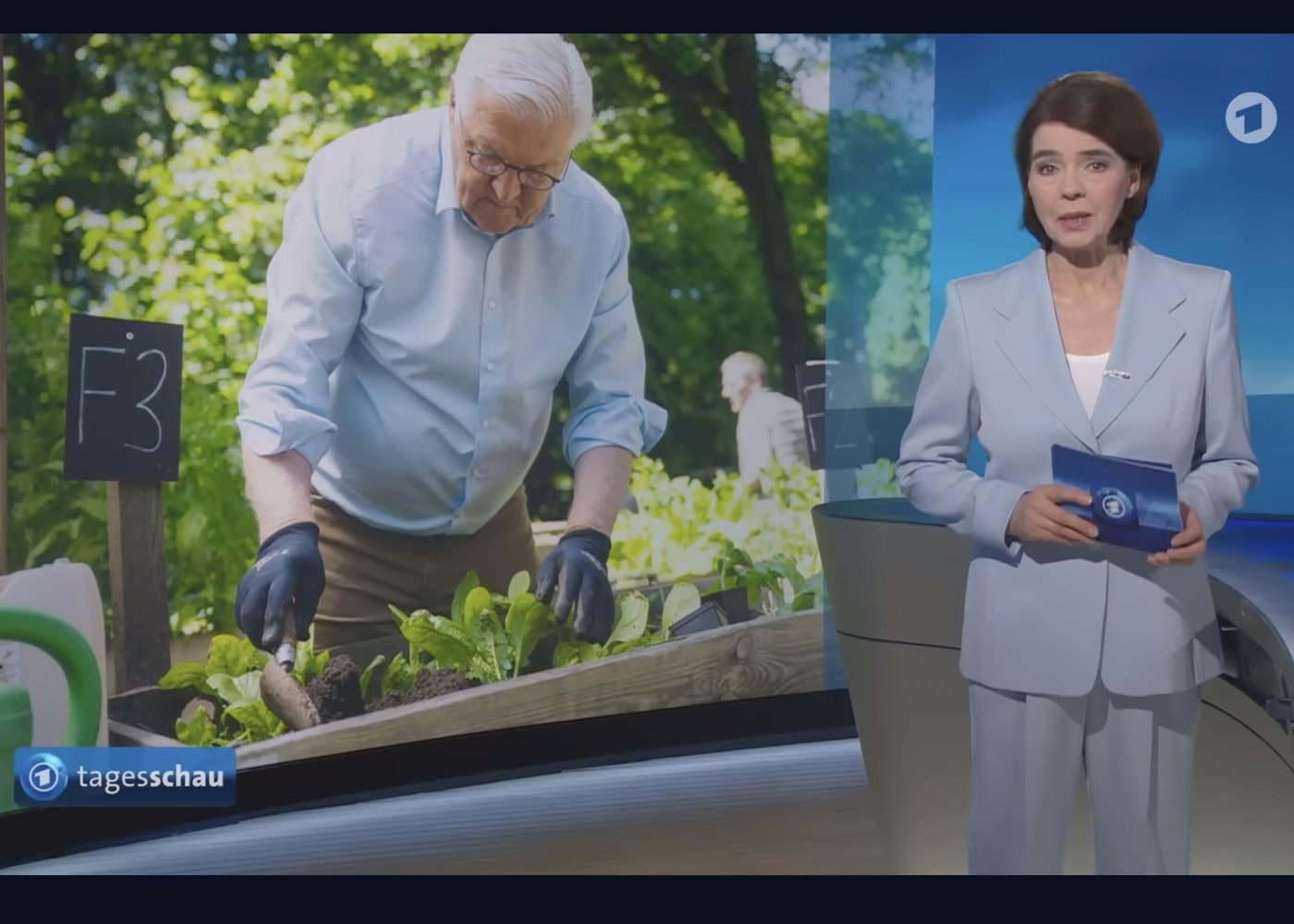

The Tagesschau news program aired a report on Saturday covering nationwide community engagement events organized to mark the anniversary of Germany’s Basic Law, according to Nius. The segment profiled 82-year-old Heide Simm from Potsdam, a member of the left-wing activist group “Omas gegen Rechts” (Grannies Against the Right).
Die Tagesschau mit einer kompletten Staatsfunk-Psychose zum Jubiläum des Grundgesetzes. Es wird exakt das berichtet, was der Bundespräsident Steinmeier hören will. Plastik wird eingesammelt, Migranten und “Nicht-Migranten” (so heißen jetzt wohl Deutsche) treffen sich zum… pic.twitter.com/unIq8Ntyg0
— Benedikt Brechtken (@ben_brechtken) May 23, 2026
In her narration, the Tagesschau presenter explained that the “participation day” in Potsdam meant that “migrants and non-migrants are in dialogue” with one another. The term “non-migrants” was used to describe ethnic Germans engaging with migrant populations.
The report noted that volunteers also offer German language courses, with Simm occasionally helping out when not working at a fair-trade shop. The segment then featured remarks from German President Frank-Walter Steinmeier, who praised volunteer work as the backbone of German democracy.
Steinmeier told viewers that volunteerism must remain central to the country’s democratic fabric, suggesting that Germans could give their constitution no better birthday present than working together for their country.
The linguistic choice to categorize native Germans as “non-migrants” rather than simply Germans has drawn criticism from commentators who view it as part of a broader pattern in German public broadcasting. Critics argue the framing reflects an ideological approach that places migration status at the center of identity rather than citizenship or national belonging.
The Tagesschau segment appeared designed to align with the federal president’s messaging about civic engagement and social cohesion, focusing exclusively on approved volunteer activities such as trash collection and migrant integration efforts.
ARD, Germany’s flagship public broadcaster, is funded through mandatory household fees and has faced mounting accusations of political bias in recent years, particularly from conservative and center-right critics who argue the network’s coverage consistently favors progressive causes and government narratives.
With information from Nius





