
German Prosecutors Probe Gazprom Over Sabotage of Gas Supply
German prosecutors raided properties in Berlin and Frankfurt, investigating a Russian national for allegedly attempting to sabotage energy infrastructure by orchestrating the sale and liquidation of a firm controlling 25 percent of Germany's gas storage.

The investigation centers on events surrounding Gazprom Germania GmbH in the spring of 2022, according to Nius. Authorities believe the company was deliberately separated from the Russian state energy giant Gazprom through a series of indirect transactions designed to obscure the true nature of the transfer.
Investigators allege that once the firm changed hands, its new owner immediately ordered the liquidation of the company. At the time, Gazprom Germania controlled at least 25 percent of Germany’s total natural gas storage capacity, making it a critical component of the nation’s energy security infrastructure.
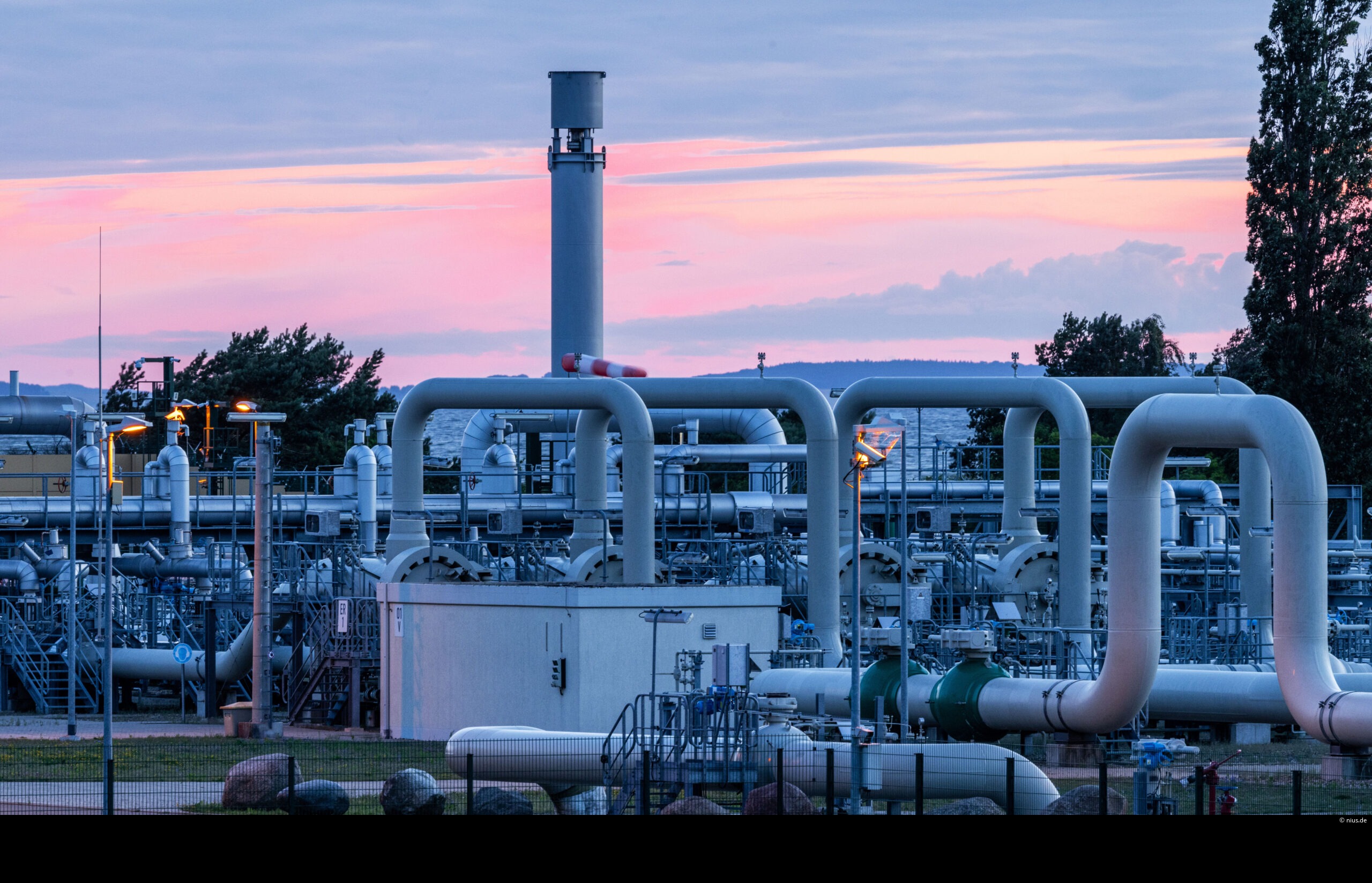
Federal prosecutors suspect the sale and planned dissolution of the company were specifically intended to disrupt Germany’s gas supply at a critical juncture. The Russian national under investigation is accused of actively supporting the implementation of the liquidation order.
The scheme was only thwarted by emergency intervention from Germany’s Federal Ministry for Economic Affairs and Energy, which moved swiftly to place Gazprom Germania under trusteeship administration by the Federal Network Agency. This action effectively prevented the company’s assets from being stripped or destroyed.
The investigation is being conducted under charges of attempted subversive sabotage against the constitutional order, as well as violations of Germany’s Foreign Trade and Payments Act. No arrests have been made at this stage, though searches of multiple properties were carried out as part of the ongoing probe.
The case highlights the vulnerability of European energy infrastructure to deliberate disruption, particularly during periods of geopolitical tension. Germany’s heavy reliance on Russian natural gas had long been a point of strategic concern among Western allies, a vulnerability that became acutely apparent following Russia’s invasion of Ukraine in February 2022.
The timing of the alleged sabotage attempt, in spring 2022, coincided with the early months of the Ukraine conflict when European nations were scrambling to secure alternative energy sources and reduce dependence on Russian supplies. Control over a quarter of Germany’s gas storage capacity would have given hostile actors significant leverage over the country’s energy security.
With information from Nius





