Necessary Cookies

Required for the site to function. Cannot be disabled.

Analytics Cookies

Help us understand how visitors interact with our site (Google Analytics via GTM).

Marketing Cookies

Used to track visitors and deliver personalised advertisements.

We use cookies to enhance your browsing experience and analyse site traffic. By clicking Accept All, you consent to our use of cookies. Privacy Policy
NewsFire Global
Home News Europe World Christianity Culture Wars Opinion Video
Information
About Us Authors Advertising Terms & Conditions Privacy Policy Contact
R2B Media
R2B NEWSFIRE.GR PAPAFOTIS.GR THRACTION HELLENIC CONSERVATIVES RIGHT2THEBONE YT
News Europe

German Intelligence Spies on Record Number of Bank Accounts

Germany's domestic intelligence agency more than doubled its bank account surveillance requests to 1,470 in the past year, up from 688 in 2024 and zero in 2010.

Dimitris Papafotis
Dimitris Papafotis Editor in Chief
MAY 28, 2026 AT 12:29 PM

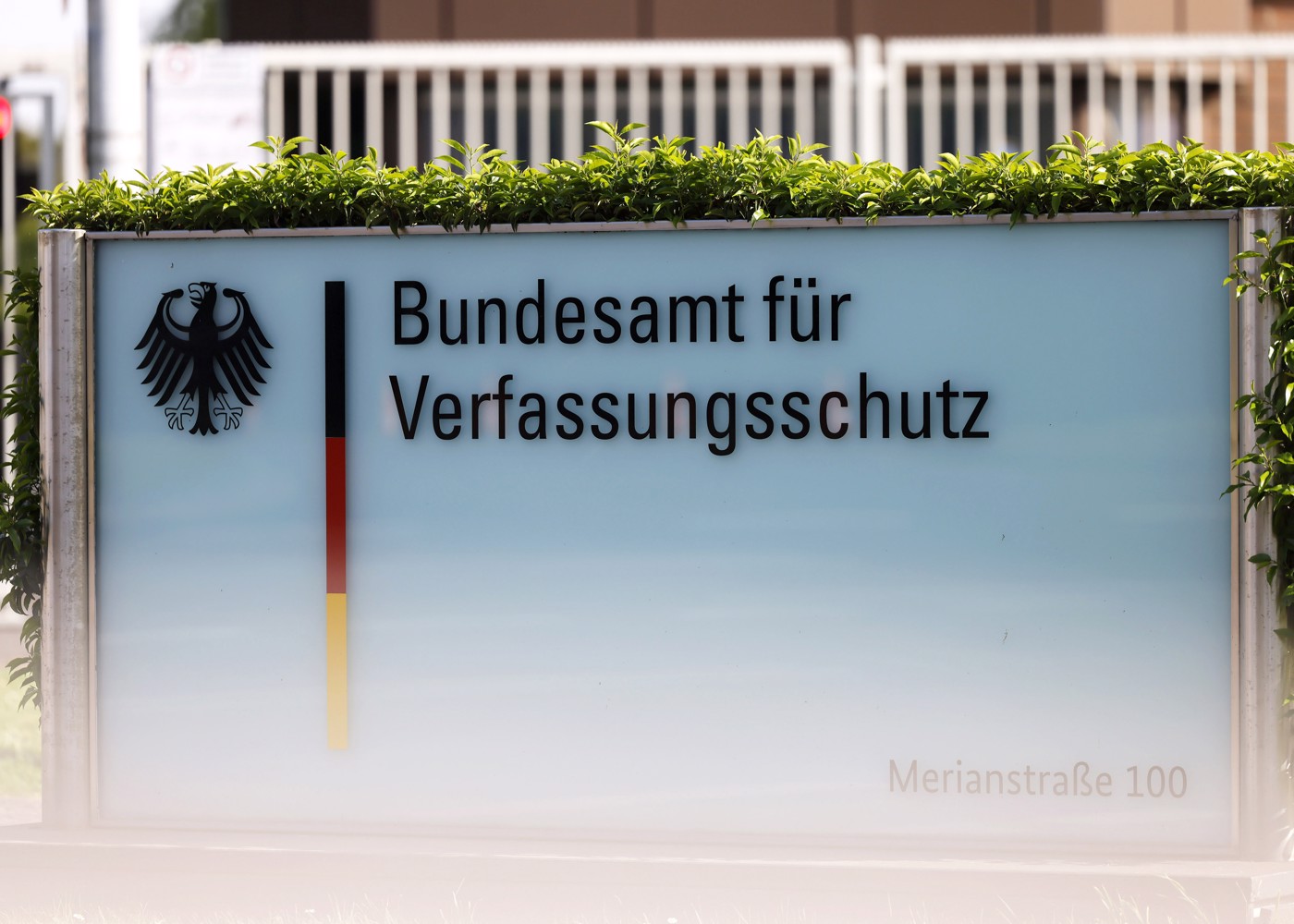
Germany’s domestic intelligence agency has reached an unprecedented level of financial surveillance, with bank account inquiries more than doubling in a single year as the Federal Office for the Protection of the Constitution dramatically expands its monitoring operations.

The Federal Office for the Protection of the Constitution submitted 1,470 account inquiry requests to the Federal Central Tax Office in the past year, according to Nius. The figure represents a staggering increase from the 688 requests made in 2024, effectively more than doubling the agency’s financial surveillance activities in just twelve months.

The escalation marks the continuation of a troubling trend that has seen domestic intelligence monitoring expand exponentially over the past decade. Data obtained from government responses to parliamentary inquiries reveals that while there were zero such requests in 2010, the numbers climbed steadily through 63 in 2015, 91 in 2020, 606 in 2022, and 984 in 2023. The temporary decline to 688 in 2024 has now been obliterated by the current record high.

Agency Cites Financial Investigations as Key Priority

When pressed by Nius to explain the dramatic surge, the Federal Office for the Protection of the Constitution offered only vague justification. The agency attributed the increase to what it called the growing importance of financial investigation measures for its intelligence work. However, officials refused to provide any breakdown of which threat categories or political phenomena were driving the expanded surveillance.

The domestic intelligence service declined to comment on internal procedures, citing operational security. It also refused to categorize the account inquiries by the type of threats being investigated, leaving the public in the dark about whether the surveillance targets alleged extremists, political dissidents, or ordinary citizens.

Legal Framework Enables Direct Access to Private Banking Data

The constitutional protection agency’s authority to request banking information flows from the Federal Office for the Protection of the Constitution Act. The law permits the agency to order the Federal Central Tax Office to obtain account data from credit institutions when investigating what the government defines as threats to the free democratic basic order, the existence of the federal state, or the security of Germany or its constituent states.

Under Section 8a Paragraph 2 of the legislation, the agency may request such data in individual cases when facts justify the assumption that serious dangers exist to protected interests. Credit institutions are legally obligated to surrender the requested information without the knowledge or consent of the account holders.

Merkel Government Introduced Surveillance Powers

The surveillance authority became law on January 11, 2007, introduced by the first grand coalition government under Chancellor Angela Merkel of the Christian Democratic Union. The power was embedded in German law through the Terrorism Prevention Supplementary Act, which amended the Federal Office for the Protection of the Constitution Act to create the new surveillance mechanism.

The groundwork had been laid years earlier by the Red-Green coalition government in 2002, which passed the original Terrorism Prevention Act following the September 11, 2001 attacks. That legislation initially expanded financial investigation powers for security agencies with a focus on combating international terrorism. The 2007 amendment under Merkel extended those capabilities to domestic intelligence operations, granting the Federal Office for the Protection of the Constitution direct access to citizens’ banking records through the tax authority.

The current explosion in surveillance requests raises serious questions about mission creep and the potential weaponization of domestic intelligence apparatus against political opponents. With the agency refusing transparency about which groups or individuals are being targeted, concerns mount that financial monitoring powers originally justified as counterterrorism tools are now being deployed far more broadly across German society.

With information from Nius

Share:
Dimitris Papafotis
Dimitris Papafotis

Dimitris Papafotis is the editor-in-chief of NewsFire.GR. He was born and raised in Athens. He studied at the Journalism Workshop (1991-1993). He currently lives in Pyrgos, Ilia, where he has been active in radio and various newspapers, while also maintaining his personal blog, Papafotis.gr.

Germany’s domestic intelligence agency has reached an unprecedented level of financial surveillance, with bank account inquiries more than doubling in a single year as the Federal Office for the Protection of the Constitution dramatically expands its monitoring operations.

The Federal Office for the Protection of the Constitution submitted 1,470 account inquiry requests to the Federal Central Tax Office in the past year, according to Nius. The figure represents a staggering increase from the 688 requests made in 2024, effectively more than doubling the agency’s financial surveillance activities in just twelve months.

The escalation marks the continuation of a troubling trend that has seen domestic intelligence monitoring expand exponentially over the past decade. Data obtained from government responses to parliamentary inquiries reveals that while there were zero such requests in 2010, the numbers climbed steadily through 63 in 2015, 91 in 2020, 606 in 2022, and 984 in 2023. The temporary decline to 688 in 2024 has now been obliterated by the current record high.

Agency Cites Financial Investigations as Key Priority

When pressed by Nius to explain the dramatic surge, the Federal Office for the Protection of the Constitution offered only vague justification. The agency attributed the increase to what it called the growing importance of financial investigation measures for its intelligence work. However, officials refused to provide any breakdown of which threat categories or political phenomena were driving the expanded surveillance.

The domestic intelligence service declined to comment on internal procedures, citing operational security. It also refused to categorize the account inquiries by the type of threats being investigated, leaving the public in the dark about whether the surveillance targets alleged extremists, political dissidents, or ordinary citizens.

Legal Framework Enables Direct Access to Private Banking Data

The constitutional protection agency’s authority to request banking information flows from the Federal Office for the Protection of the Constitution Act. The law permits the agency to order the Federal Central Tax Office to obtain account data from credit institutions when investigating what the government defines as threats to the free democratic basic order, the existence of the federal state, or the security of Germany or its constituent states.

Under Section 8a Paragraph 2 of the legislation, the agency may request such data in individual cases when facts justify the assumption that serious dangers exist to protected interests. Credit institutions are legally obligated to surrender the requested information without the knowledge or consent of the account holders.

Merkel Government Introduced Surveillance Powers

The surveillance authority became law on January 11, 2007, introduced by the first grand coalition government under Chancellor Angela Merkel of the Christian Democratic Union. The power was embedded in German law through the Terrorism Prevention Supplementary Act, which amended the Federal Office for the Protection of the Constitution Act to create the new surveillance mechanism.

The groundwork had been laid years earlier by the Red-Green coalition government in 2002, which passed the original Terrorism Prevention Act following the September 11, 2001 attacks. That legislation initially expanded financial investigation powers for security agencies with a focus on combating international terrorism. The 2007 amendment under Merkel extended those capabilities to domestic intelligence operations, granting the Federal Office for the Protection of the Constitution direct access to citizens’ banking records through the tax authority.

The current explosion in surveillance requests raises serious questions about mission creep and the potential weaponization of domestic intelligence apparatus against political opponents. With the agency refusing transparency about which groups or individuals are being targeted, concerns mount that financial monitoring powers originally justified as counterterrorism tools are now being deployed far more broadly across German society.

With information from Nius

