Necessary Cookies

Required for the site to function. Cannot be disabled.

Analytics Cookies

Help us understand how visitors interact with our site (Google Analytics via GTM).

Marketing Cookies

Used to track visitors and deliver personalised advertisements.

We use cookies to enhance your browsing experience and analyse site traffic. By clicking Accept All, you consent to our use of cookies. Privacy Policy
NewsFire Global
Home News Europe World Christianity Culture Wars Opinion Video
Information
About Us Authors Advertising Terms & Conditions Privacy Policy Contact
R2B Media
R2B NEWSFIRE.GR PAPAFOTIS.GR THRACTION HELLENIC CONSERVATIVES RIGHT2THEBONE YT
News World

From ’80s Pop Icon to Israel’s Fiercest Advocate

Boy George released a pro-Israel song commemorating victims of the October 7 Hamas attack and resigned from a theatrical role after facing intense backlash from the entertainment industry.

AUGUST 4, 2026 AT 1:23 AM

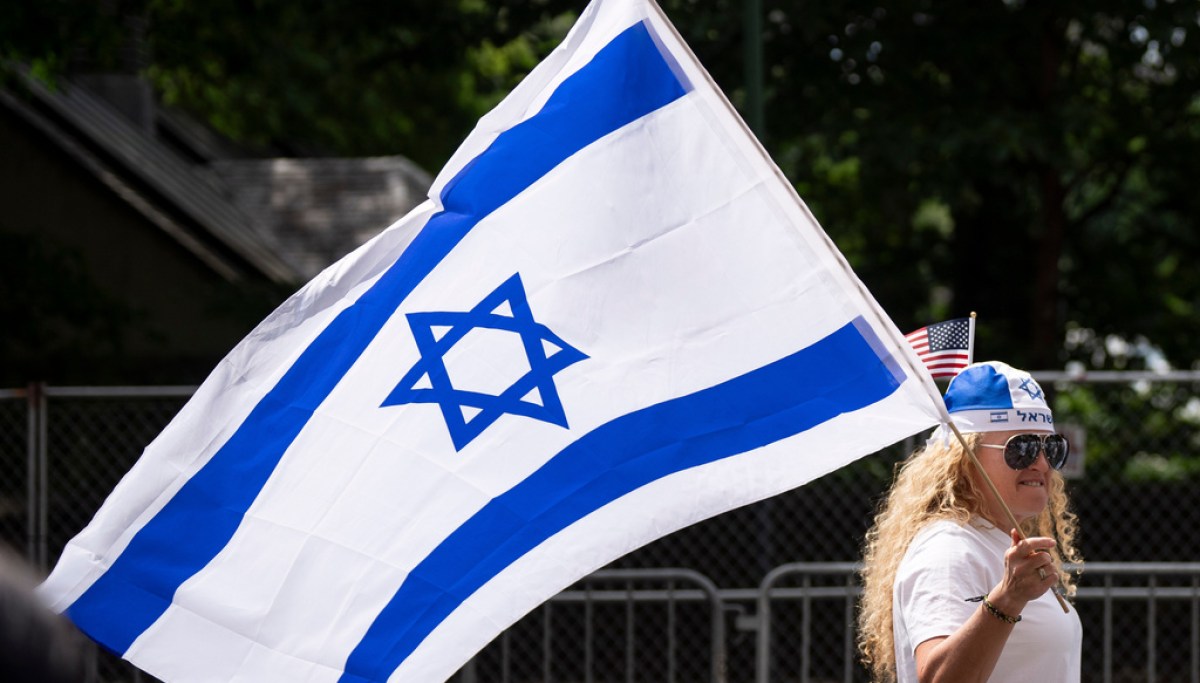
Boy George, the openly gay frontman who shot to fame with Culture Club’s international smash hit “Karma Chameleon,” has broken ranks with virtually the entire entertainment industry by recording and releasing “We Will Dance Again,” according to Michael Levin writing in Washington Examiner.

The title references the slogan adopted by survivors of the Nova music festival in southern Israel, where Hamas terrorists slaughtered attendees during their October 7 assault. The song’s message leaves no room for ambiguity, opening with the line “You say genocide, I say war” and closing with an unequivocal declaration: “We will dance again… If you’re ever confused, I stand with the Jews.”

From Chart Success to Controversy

The performer’s career trajectory has been anything but conventional. After dominating charts in the 1980s, Boy George scored another number one hit with “Everything I Own,” overcame heroin addiction, reinvented himself as an internationally recognized DJ, launched his own dance music label, authored multiple bestselling autobiographies, and even served prison time for false imprisonment. He also appeared on popular British television programmes including “The Voice UK” and “I’m A Celebrity… Get Me Out Of Here.”

What drove him to compose “We Will Dance Again” was frustration with the entertainment industry’s collective indifference toward murdered Israelis and the hundreds of hostages held captive in tunnels and basements, subjected to near-starvation for over a year.

No Label Would Touch It

The song proved so radioactive that no music label would release it, forcing Boy George to post it independently on his own social media platforms. Critics attacked him for allegedly whitewashing Israeli military actions, refusing to describe operations in Gaza as genocide, and even complained that the reggae beat was inappropriately casual for such subject matter.

The controversy escalated to the point where Boy George resigned from playing King Herod in the London revival of Andrew Lloyd Webber’s “Jesus Christ Superstar,” not wanting his presence to overshadow the production. The historical Herod destroyed the Second Temple in Jerusalem two millennia ago.

Standing Alone in Woke Entertainment

In an industry where performer after performer has condemned Israel from the comfort of gated communities and social media feeds, Boy George represents a singular dissenting voice. The gay community in particular has rallied overwhelmingly behind Palestinians, despite the grim reality that homosexuals in Gaza face execution, often by being thrown from buildings.

The backlash has been severe and immediate. This week, Boy George severed ties with Tony Pontius, the executive who ran his record label, calling him gutless after Pontius distanced himself from the song.

The performer had no obligation to take this stand. He could have remained silent on Israel, completed his theatrical engagement as planned, and continued enjoying his reputation as an edgy, beloved creative force across multiple disciplines. Instead, he chose to speak out, fully aware that doing so would likely damage his reputation and career permanently.

Throughout his song, Boy George criticizes performers who have offered support to Palestinians without acknowledging the murder of men, women, and infants, or the systematic rape of women and girls during the October 7 massacre. His goal was unmistakable: to express unwavering solidarity with Israel and Jews worldwide, regardless of professional consequences.

With information from Washington Examiner

Share:
Eleni Papadaki-Van Der Merwe

She was born in 1986 in Johannesburg, South Africa. She is the granddaughter of an immigrant from Crete who settled in the Greek community of Johannesburg (one of the largest in Africa). She holds a bachelor’s degree in International Relations and Political Science from the University of the Witwatersrand (Wits) in Johannesburg and a master’s degree in Journalism from Rhodes University in Grahamstown. She began her career at English-language media outlets in Johannesburg, covering politics and economics, with a focus on issues related to migration and the diaspora. She moved to Athens in 2015 to “return to her roots,” initially to pursue graduate studies, and has remained there permanently. She is married to an Afrikaner; they have two children and live in the southern suburbs of Athens.

Boy George, the openly gay frontman who shot to fame with Culture Club’s international smash hit “Karma Chameleon,” has broken ranks with virtually the entire entertainment industry by recording and releasing “We Will Dance Again,” according to Michael Levin writing in Washington Examiner.

The title references the slogan adopted by survivors of the Nova music festival in southern Israel, where Hamas terrorists slaughtered attendees during their October 7 assault. The song’s message leaves no room for ambiguity, opening with the line “You say genocide, I say war” and closing with an unequivocal declaration: “We will dance again… If you’re ever confused, I stand with the Jews.”

From Chart Success to Controversy

The performer’s career trajectory has been anything but conventional. After dominating charts in the 1980s, Boy George scored another number one hit with “Everything I Own,” overcame heroin addiction, reinvented himself as an internationally recognized DJ, launched his own dance music label, authored multiple bestselling autobiographies, and even served prison time for false imprisonment. He also appeared on popular British television programmes including “The Voice UK” and “I’m A Celebrity… Get Me Out Of Here.”

What drove him to compose “We Will Dance Again” was frustration with the entertainment industry’s collective indifference toward murdered Israelis and the hundreds of hostages held captive in tunnels and basements, subjected to near-starvation for over a year.

No Label Would Touch It

The song proved so radioactive that no music label would release it, forcing Boy George to post it independently on his own social media platforms. Critics attacked him for allegedly whitewashing Israeli military actions, refusing to describe operations in Gaza as genocide, and even complained that the reggae beat was inappropriately casual for such subject matter.

The controversy escalated to the point where Boy George resigned from playing King Herod in the London revival of Andrew Lloyd Webber’s “Jesus Christ Superstar,” not wanting his presence to overshadow the production. The historical Herod destroyed the Second Temple in Jerusalem two millennia ago.

Standing Alone in Woke Entertainment

In an industry where performer after performer has condemned Israel from the comfort of gated communities and social media feeds, Boy George represents a singular dissenting voice. The gay community in particular has rallied overwhelmingly behind Palestinians, despite the grim reality that homosexuals in Gaza face execution, often by being thrown from buildings.

The backlash has been severe and immediate. This week, Boy George severed ties with Tony Pontius, the executive who ran his record label, calling him gutless after Pontius distanced himself from the song.

The performer had no obligation to take this stand. He could have remained silent on Israel, completed his theatrical engagement as planned, and continued enjoying his reputation as an edgy, beloved creative force across multiple disciplines. Instead, he chose to speak out, fully aware that doing so would likely damage his reputation and career permanently.

Throughout his song, Boy George criticizes performers who have offered support to Palestinians without acknowledging the murder of men, women, and infants, or the systematic rape of women and girls during the October 7 massacre. His goal was unmistakable: to express unwavering solidarity with Israel and Jews worldwide, regardless of professional consequences.

With information from Washington Examiner