
Finnish MP Päivi Räsänen Banned from UK After ‘Hate Speech’ Case
Finnish MP Päivi Räsänen, convicted of hate speech after two acquittals, was barred from transiting through Britain, raising questions about cross-border enforcement of European speech restrictions.
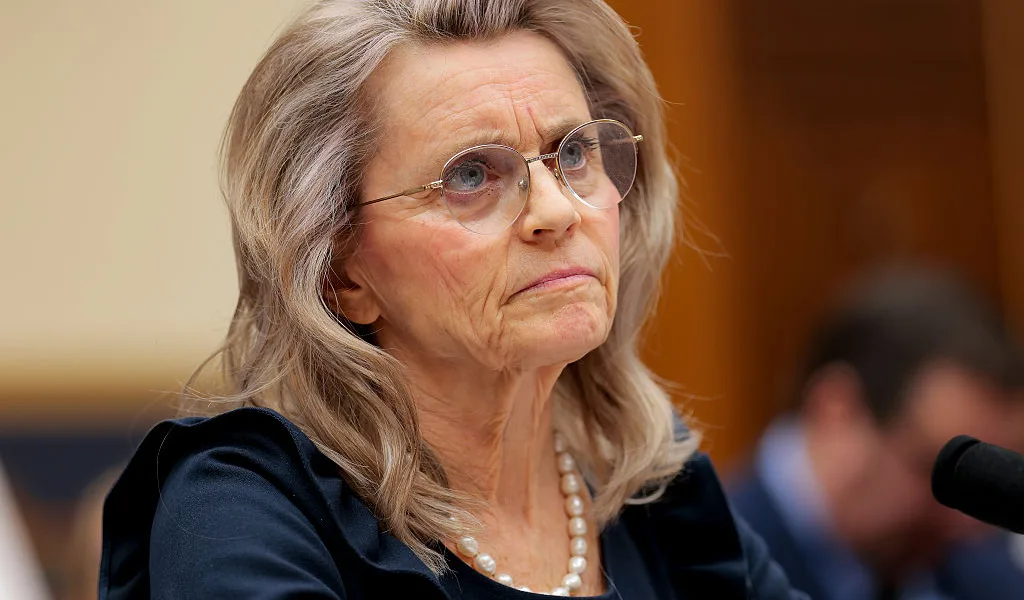

Päivi Räsänen, a Christian Democrat MP and former interior minister whose case has become a flashpoint in debates over religious freedom, said UK authorities revoked her Electronic Travel Authorisation just before she was due to fly home from California via London, according to Brussels Signal.

Räsänen had been returning from a U.S. conference when British border officials withdrew the previously approved travel document without explanation, forcing her to rebook through Dallas instead.
The veteran lawmaker told Finnish media she believes the decision is linked to her March conviction by Finland’s Supreme Court for incitement against a minority group—a ruling that overturned two unanimous lower court acquittals and came down to a 3-2 vote.
Her husband, who applied for the same travel authorization at the same time, was approved.
Seven Years of Prosecution Over a Pamphlet
Räsänen’s conviction stems from a 2004 church pamphlet in which she defended the traditional Christian view of marriage. The Supreme Court acquitted her on a separate charge related to a 2019 social media post quoting Scripture and questioning her church’s participation in Helsinki Pride.
The case has stretched across nearly seven years and three levels of Finland’s judiciary, with lower courts twice finding no criminal wrongdoing before the top court’s narrow reversal.
Räsänen has maintained throughout that her statements reflect mainstream Christian doctrine and that prosecuting them represents a direct assault on freedom of religion and speech. She has announced plans to take her case to the European Court of Human Rights.
Travel Ban Casts Shadow Over Future Engagements
The British decision also threatens a scheduled appearance in Northern Ireland next month, where Räsänen is set to address a conference and meet with politicians.
“I have travelled to Britain many times over the years and have even spoken in the UK Parliament on freedom of speech,” Räsänen said, expressing frustration that the British Embassy in Helsinki provided no clarification despite her inquiries.
Britain introduced its Electronic Travel Authorisation system for visa-exempt travelers in 2025. The Home Office states that applications may be denied on criminality grounds but does not comment on individual cases.
Numerous nationalist and right-wing figures have already been refused entry under the system.
[EMBED_N]
When Speech Restrictions Become Travel Restrictions
Räsänen said the fallout from her conviction now extends well beyond criminal penalties. The Supreme Court’s closely divided ruling has had unexpected consequences, she noted, pointing to new barriers to international travel and participation in conferences.
The case highlights a growing pattern across Western Europe: speech-related convictions—often handed down for religious or political views—are now being used to restrict movement and association, even in countries where the original statements were made.
Britain’s Home Office has not explained why Räsänen’s authorization was withdrawn or confirmed whether it was directly tied to her Finnish conviction.
The contrast has not gone unnoticed: while Britain struggles to control illegal migration across the Channel, it has moved swiftly to bar a Christian grandmother and former cabinet minister from changing planes at Heathrow.
With information from Brussels Signal





