Necessary Cookies

Required for the site to function. Cannot be disabled.

Analytics Cookies

Help us understand how visitors interact with our site (Google Analytics via GTM).

Marketing Cookies

Used to track visitors and deliver personalised advertisements.

We use cookies to enhance your browsing experience and analyse site traffic. By clicking Accept All, you consent to our use of cookies. Privacy Policy
NewsFire Global
Home News Europe World Christianity Culture Wars Opinion Video
Information
About Us Authors Advertising Terms & Conditions Privacy Policy Contact
R2B Media
R2B NEWSFIRE.GR PAPAFOTIS.GR THRACTION HELLENIC CONSERVATIVES RIGHT2THEBONE YT
News World

Feds Battle Sanctuary Policies Shielding Criminal Illegals

California's sanctuary laws are costing federal immigration authorities hundreds of millions of dollars and forcing risky street arrests instead of jail transfers, according to a senior federal prosecutor.
Stefanos Banos
Stefanos Banos Staff Writer
MAY 31, 2026 AT 9:11 AM

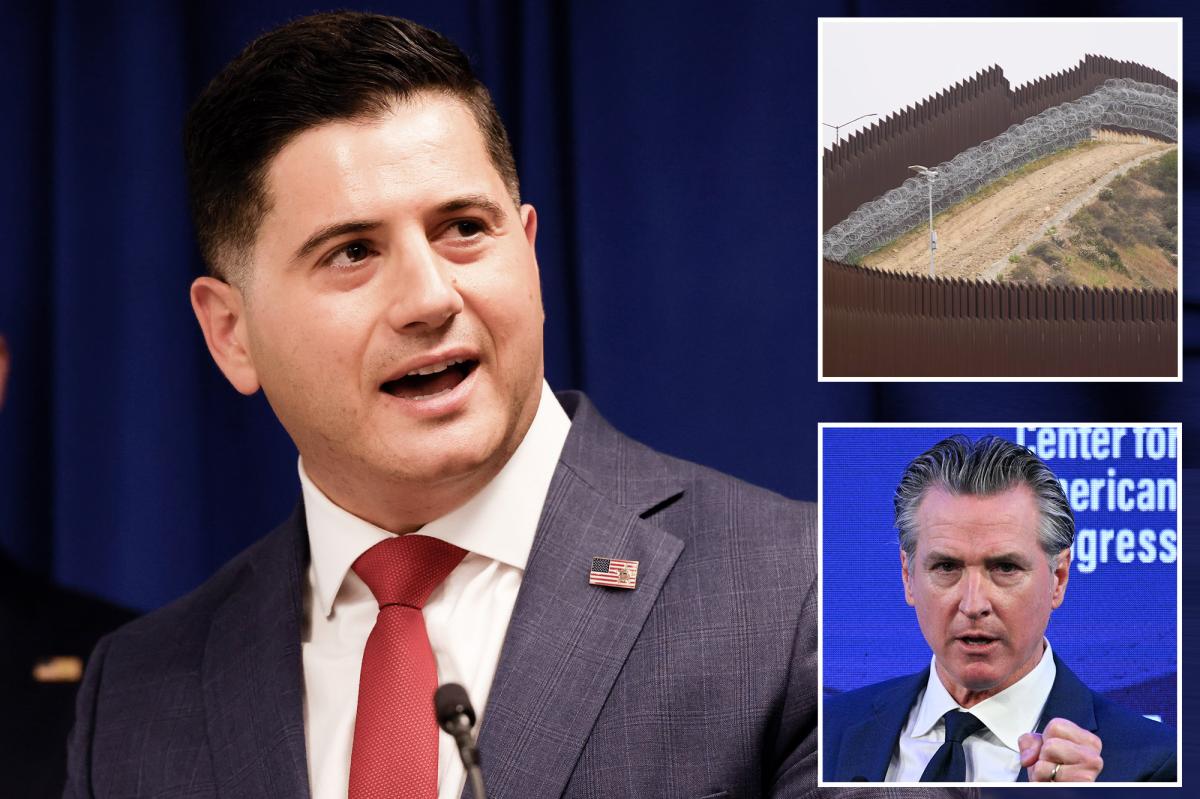
Bill Essayli, US Attorney for the Central District of California, said sanctuary policies have dismantled what was once a cooperative system that prevented dangerous individuals from being released back into communities, according to New York Post.

The entire state now operates under sanctuary protections mandated by state law, blocking local law enforcement from coordinating with federal immigration authorities in most circumstances.

Operation Guardian Angel Targets Criminal Aliens Before Release

In response to the enforcement gap created by sanctuary policies, Essayli launched Operation Guardian Angel, a coordinated federal initiative that identifies deportable individuals while they remain in county custody and secures federal arrest warrants before they can be released.

The operation, announced last year by the US Attorney’s Office for the Central District of California, brings together Immigration and Customs Enforcement (ICE), the FBI, the Drug Enforcement Administration (DEA), the US Marshals Service, and other federal agencies.

The program currently identifies between 40 and 50 illegal immigrants each week who are taken into federal custody before county jails release them back onto the streets.

Early Morning Database Reviews Flag Prior Deportees

Federal task forces begin reviewing county jail bookings across California in the early morning hours, often around 3 a.m., cross-checking fingerprints against federal databases in near real time.

Individuals with prior deportation histories can face federal felony charges for illegal reentry, allowing prosecutors to obtain warrants quickly and assume custody before release from local detention.

Essayli noted that the program’s effectiveness depends entirely on identification capabilities, meaning first-time offenders in non-state prison facilities can easily slip back into communities under current state laws.

Sanctuary Laws Force Costly Street Apprehensions

The financial burden of working around sanctuary policies could ultimately reach hundreds of millions or even billions of dollars when accounting for enforcement costs and broader public safety impacts, Essayli said.

Before sanctuary laws took effect, immigration detainers allowed jail inmates to be transferred directly into federal custody after their local cases concluded, eliminating the need for post-release enforcement operations.

Under previous cooperative arrangements, local police and jails worked with immigration officials to place detainers on illegal immigrants arrested, charged, or convicted of crimes. Once local or state proceedings concluded, those individuals would be handed over to immigration authorities for deportation.

Now many county jails refuse to honor detainers, forcing federal authorities into far more resource-intensive efforts to locate individuals only after they have been released into communities.

Blue State Policies Creating Worse Outcomes

Essayli argued that blue states believe they are protecting illegal immigrants through sanctuary policies, but are actually making things worse by forcing federal prosecution. Instead of simple deportation, many individuals now face felony charges.

He also identified what he described as a structural divide between state prisons and county jails in California’s sanctuary framework.

Governor Gavin Newsom retains discretion over transfers from state prisons to federal immigration custody, while sheriffs and police chiefs are legally restricted from making similar transfers at the county level.

Newsom frequently claims California is not a sanctuary state by pointing to transfers of several thousand felons from state prison custody, but Essayli said this represents political cover allowing the governor to hand over only the worst offenders while maintaining full discretion to transfer others.

Sheriffs and police chiefs, by contrast, have zero discretion under state law, even though they would be willing to cooperate with federal immigration authorities.

Most Offenders Never Reach State Prison

The vast majority of criminal offenders never reach state prison custody where Newsom’s discretionary transfer authority would apply, Essayli noted.

Under California’s current criminal justice system, individuals typically only go to state prison for the most serious crimes such as murder. Offenses including theft, DUI, and domestic violence are handled at the county level, where federal transfer options are legally blocked by sanctuary policies.

This means criminal illegal immigrants convicted of serious but non-murder offenses cycle back into communities after serving county jail sentences, forcing federal agents to conduct street arrests if they wish to pursue deportation.

With information from New York Post

Share:
Stefanos Banos
Stefanos Banos

Stefanos Banos was born in Piraeus and is an editor at NewsFire.GR, specializing in political analysis and international relations. He graduated from the Department of Communication and Media at the University of Bremen in Germany, where he also completed his Master of Arts in Communication and Media Studies. Married to Zoi, he is a proud father of three boys.

Bill Essayli, US Attorney for the Central District of California, said sanctuary policies have dismantled what was once a cooperative system that prevented dangerous individuals from being released back into communities, according to New York Post.

The entire state now operates under sanctuary protections mandated by state law, blocking local law enforcement from coordinating with federal immigration authorities in most circumstances.

Operation Guardian Angel Targets Criminal Aliens Before Release

In response to the enforcement gap created by sanctuary policies, Essayli launched Operation Guardian Angel, a coordinated federal initiative that identifies deportable individuals while they remain in county custody and secures federal arrest warrants before they can be released.

The operation, announced last year by the US Attorney’s Office for the Central District of California, brings together Immigration and Customs Enforcement (ICE), the FBI, the Drug Enforcement Administration (DEA), the US Marshals Service, and other federal agencies.

The program currently identifies between 40 and 50 illegal immigrants each week who are taken into federal custody before county jails release them back onto the streets.

Early Morning Database Reviews Flag Prior Deportees

Federal task forces begin reviewing county jail bookings across California in the early morning hours, often around 3 a.m., cross-checking fingerprints against federal databases in near real time.

Individuals with prior deportation histories can face federal felony charges for illegal reentry, allowing prosecutors to obtain warrants quickly and assume custody before release from local detention.

Essayli noted that the program’s effectiveness depends entirely on identification capabilities, meaning first-time offenders in non-state prison facilities can easily slip back into communities under current state laws.

Sanctuary Laws Force Costly Street Apprehensions

The financial burden of working around sanctuary policies could ultimately reach hundreds of millions or even billions of dollars when accounting for enforcement costs and broader public safety impacts, Essayli said.

Before sanctuary laws took effect, immigration detainers allowed jail inmates to be transferred directly into federal custody after their local cases concluded, eliminating the need for post-release enforcement operations.

Under previous cooperative arrangements, local police and jails worked with immigration officials to place detainers on illegal immigrants arrested, charged, or convicted of crimes. Once local or state proceedings concluded, those individuals would be handed over to immigration authorities for deportation.

Now many county jails refuse to honor detainers, forcing federal authorities into far more resource-intensive efforts to locate individuals only after they have been released into communities.

Blue State Policies Creating Worse Outcomes

Essayli argued that blue states believe they are protecting illegal immigrants through sanctuary policies, but are actually making things worse by forcing federal prosecution. Instead of simple deportation, many individuals now face felony charges.

He also identified what he described as a structural divide between state prisons and county jails in California’s sanctuary framework.

Governor Gavin Newsom retains discretion over transfers from state prisons to federal immigration custody, while sheriffs and police chiefs are legally restricted from making similar transfers at the county level.

Newsom frequently claims California is not a sanctuary state by pointing to transfers of several thousand felons from state prison custody, but Essayli said this represents political cover allowing the governor to hand over only the worst offenders while maintaining full discretion to transfer others.

Sheriffs and police chiefs, by contrast, have zero discretion under state law, even though they would be willing to cooperate with federal immigration authorities.

Most Offenders Never Reach State Prison

The vast majority of criminal offenders never reach state prison custody where Newsom’s discretionary transfer authority would apply, Essayli noted.

Under California’s current criminal justice system, individuals typically only go to state prison for the most serious crimes such as murder. Offenses including theft, DUI, and domestic violence are handled at the county level, where federal transfer options are legally blocked by sanctuary policies.

This means criminal illegal immigrants convicted of serious but non-murder offenses cycle back into communities after serving county jail sentences, forcing federal agents to conduct street arrests if they wish to pursue deportation.

With information from New York Post

