
Europe Can No Longer Rely on US for Security: Dutch PM
The Netherlands has unveiled a new security strategy prioritizing European defense autonomy through 2030, citing aggressive Russia, assertive China, and shifting U.S. commitments.
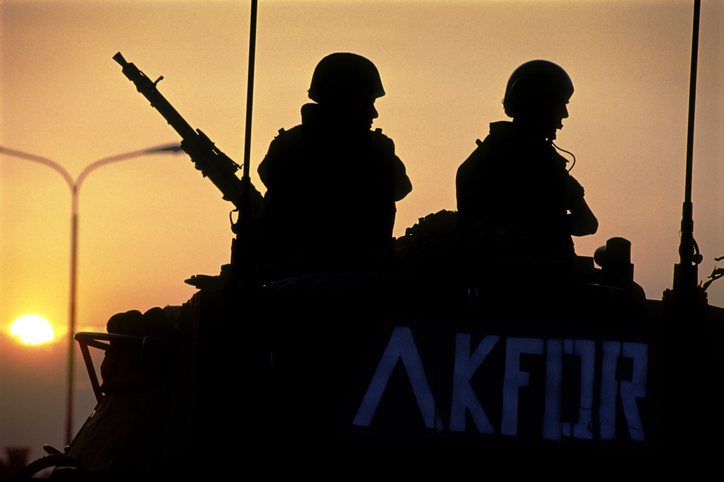

The Dutch government has issued a stark warning that Europe can no longer count on the United States to guarantee its security, unveiling a new international security strategy that calls for significant reductions in transatlantic dependency.
According to Brussels Signal, the Netherlands is now prioritizing European defence autonomy as its central foreign policy objective through at least 2030, marking a fundamental shift in how The Hague views continental security arrangements.
In a formal letter delivered to the Dutch parliament, government ministers outlined what they characterized as a transformed security landscape driven by an increasingly aggressive Russia, a more assertive China, and shifting American commitments to European defence.
With a sense of realism, the Netherlands is committed to reducing our critical unilateral dependencies, the government stated in the strategy document.
Europe Must Shoulder Defence Burden
The strategy makes clear that while NATO remains a cornerstone of European security architecture, European member states must assume a far greater share of the alliance’s conventional defence responsibilities. Dutch officials emphasized that strengthening European security capabilities is no longer optional but an absolute necessity.
The Netherlands aims to accelerate military capability development to enable Europe to carry more of the collective defence load. The objective, as Brussels Signal reports, is for Europe to play as autonomous a role as possible in its own defence and deterrence posture.
Nuclear Deterrence and Industrial Base
Notably, the Dutch government indicated it is exploring enhanced cooperation on the European dimension of nuclear deterrence, including closer collaboration with France. This represents a significant policy evolution for a country that has traditionally relied almost exclusively on American nuclear umbrella guarantees.
The strategy also calls for building a stronger European defence industrial base and reducing reliance on external suppliers, a clear reference to decreasing dependence on American military technology and equipment.
Push to End National Vetoes
To implement these ambitious goals, the Netherlands stated it wants to eliminate unanimity requirements in EU foreign policy decision-making. The document argues that geopolitical reality demands difficult choices that cannot be held hostage to individual member state vetoes.
This position aligns with European Commission President Ursula von der Leyen, who has advocated moving to qualified majority voting for foreign and security policy matters to prevent single governments from blocking EU-wide decisions.
With information from Brussels Signal





