
EU Uses Frozen Russian Assets as Leverage and Funding for Ukraine
The EU plans to use frozen Russian assets, worth around €170 billion, as leverage and funding for Ukraine’s recovery, despite legal and political hurdles, signaling a critical move in upcoming peace talks.
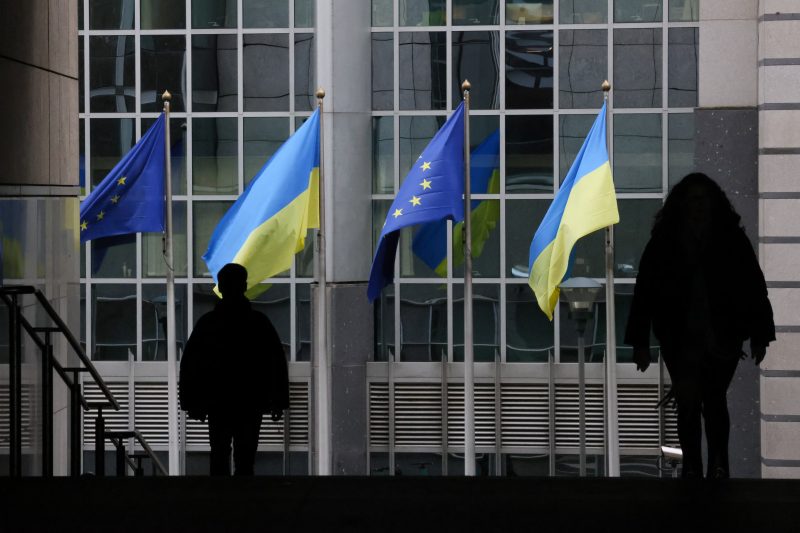

The European Union considers frozen Russian assets as a bargaining tool and a source of funding for Ukraine. Commission spokesperson Paula Pinho stated this on November 26, 2025, emphasizing the EU’s intention to utilize these funds. Consultations on the matter continue ahead of future peace negotiations.
Funding with frozen assets
The European Union has not abandoned its plans to use frozen Russian assets for the benefit of Ukraine and regards them as a key factor in potential peace agreements. In a press briefing in Brussels, Paula Pinho said that the process for implementing the so-called “reconstruction credit” is ongoing, despite it not being mentioned in the recent statement by the Commission President, Ursula von der Leyen, which addressed the terms for peace in Ukraine.
At the same time, the spokesperson stressed that the EU’s position includes far more than the three points already made public and encompasses additional elements whose importance will emerge in future negotiations.
€170 billion under consideration
The Commission is examining the possibility of leveraging approximately €170 billion in frozen Russian assets held at Euroclear, located in Brussels. Under the proposed plan, around €140 billion could be channeled to Ukraine through a “reconstruction credit”. Essentially, the frozen funds would be used to buy interest-free EU government bonds, with the amount being sent to Kyiv in installments.
Lithuanian Foreign Minister Kęstutis Budrys called on the EU to expedite the procedures concerning the frozen assets, emphasizing that swift decisions are critical to strengthening Europe’s position in future peace talks. “Now is the time for action – otherwise Europe risks losing its role,” he stressed.
Reactions and concerns
However, the main obstacle remains Belgium’s position, where Euroclear—the holder of the majority of these frozen assets—is based. Brussels is concerned about potential legal actions from Russia and calls on all EU members to share the risks fairly.
Pinho reminded that long-term funding options for Ukraine had been assigned by the European Council in October, and relevant work continues ahead of the EU summit in December.
According to Reuters sources, European officials reacted positively to the fact that the latest version of the US peace plan does not include the proposal to redistribute $100 billion from frozen Russian assets for Ukraine’s reconstruction, with the US seeking 50% of the proceeds. European governments maintain that the United States has no authority to manage assets under European jurisdiction.





