
EU Transparency Register Boycotts Conservative Think Tank
The European Union suspended conservative think tank Mathias Corvinus Collegium Brussels, barring it from meeting EU officials and participating in parliamentary activities.

The suspension strips MCC Brussels of critical rights within the European political sphere. The organization can no longer meet with members of the European Commission or their cabinet staff, apply for long-term accreditation at the European Parliament, participate in interparliamentary working groups, or speak at public hearings held by parliamentary committees, according to Junge Freiheit.
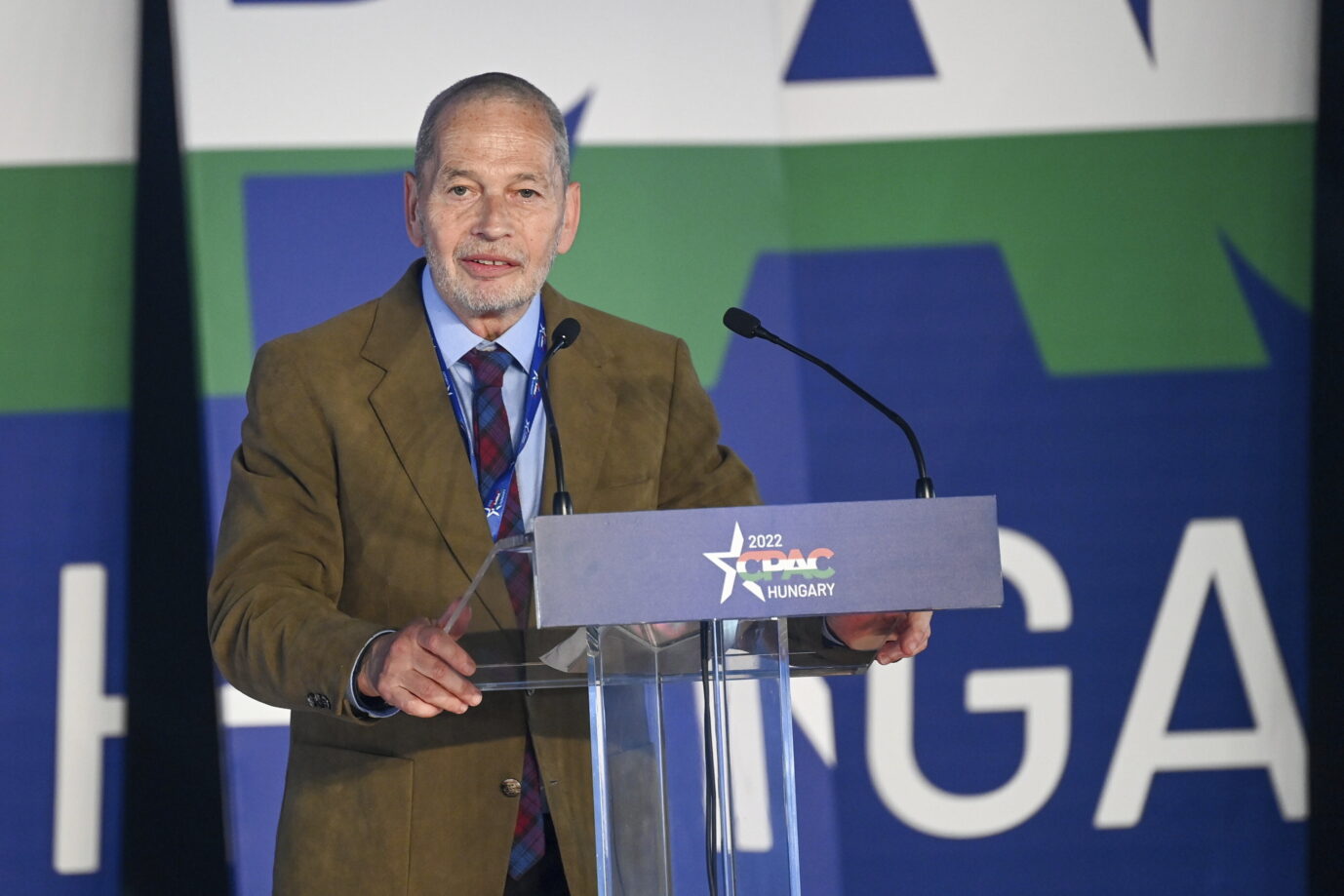
The EU authority communicated the decision on Friday, the think tank confirmed in a statement released Monday. Frank Füredi, managing director of MCC Brussels, condemned the move as a fundamental misunderstanding of democratic principles. He argued that suppressing dissenting voices weakens rather than strengthens democracy.
Füredi emphasized that the decision represents more than an administrative disagreement. He stated that for four years, MCC Brussels has faced relentless attempts to marginalize, isolate, and silence its work simply because the organization challenges prevailing orthodoxies in European politics.
Conservative Alternative in Brussels
MCC Brussels was established in 2022 by the Hungarian Mathias Corvinus Collegium as a voice for conservative thought in the European capital. The organization advocates for strong nations, secure borders, and robust ideals in defense of European civilization.
The parent organization was founded in Hungary in 1996 with a mission to develop the skills and talents of young Hungarians. Under Prime Minister Viktor Orbán’s government, it evolved into an institution dedicated to fostering conservative and nationally oriented citizens. In 2020, the Hungarian parliament transferred ten percent of shares in the MOL petroleum company and Gedeon Richter pharmaceutical group to the organization, holdings worth approximately 1.5 billion euros at the time.
Political Targeting Alleged
The EU’s transparency register functions as a public database tracking lobbyists and interest representatives who seek to influence EU policy formation, legislative implementation, or decision-making processes within Union institutions.
MCC Brussels attributes the suspension to a complaint filed by Corporate Europe Observatory, which the think tank characterizes as an activist organization that has repeatedly targeted it for its political views, public influence, and willingness to challenge the ideological consensus dominating much of the Brussels political establishment.
The conservative organization accuses Corporate Europe Observatory of pursuing politically motivated objectives through its complaint. Rather than focusing narrowly on transparency issues, the complaint allegedly attacked MCC Brussels for its positions, its engagement in debates surrounding farmer protests, and its organization of discussions questioning prevailing climate policy assumptions.
Registration Principle Cited, Not Misconduct
The suspension relies on what officials called the principle of unified registration. Notably, MCC Brussels points out, the decision was not based on any allegation of improper conduct, covert lobbying, undisclosed meetings, financial irregularities, or violation of transparency obligations.
The organization announced it will immediately challenge the decision using all available legal remedies.
Pattern of Suppression
MCC Brussels framed the suspension as part of a broader pattern of attacks against the organization. A prominent example occurred when Emir Kir, mayor of the Brussels district of Saint-Josse-ten-Noode, ordered the premature termination of the National Conservatism Conference hosted by MCC Brussels.
Kir, an independent politician formerly affiliated with the Socialist Party, declared on social media that the extreme right was not welcome in Brussels and claimed he needed to shut down the event to ensure public security. Belgian courts subsequently overturned his decision, allowing the conference to proceed.
Even before the conference began, organizers were forced to change venues twice due to political pressure. Vincent De Wolf, mayor of the Brussels district of Etterbeek, admitted to The Brussels Times that he had pressured one of the original venue providers. Brussels Mayor Philipp Close also attempted to prevent the event from taking place, Brussels Signal reported. Multiple Antifa groups announced protests targeting the conference.
The suspension marks the latest institutional obstacle faced by conservative voices seeking to operate within the European Union’s political framework, raising questions about ideological pluralism and freedom of expression in Brussels policymaking circles.
With information from Junge Freiheit





