Necessary Cookies

Required for the site to function. Cannot be disabled.

Analytics Cookies

Help us understand how visitors interact with our site (Google Analytics via GTM).

Marketing Cookies

Used to track visitors and deliver personalised advertisements.

We use cookies to enhance your browsing experience and analyse site traffic. By clicking Accept All, you consent to our use of cookies. Privacy Policy
NewsFire Global
Home News Europe World Christianity Culture Wars Opinion Video
Information
About Us Authors Advertising Terms & Conditions Privacy Policy Contact
R2B Media
R2B NEWSFIRE.GR PAPAFOTIS.GR THRACTION HELLENIC CONSERVATIVES RIGHT2THEBONE YT
News Europe

EU Opens Back Channel Talks with Kremlin Over Ukraine

The European Council has opened direct communication with Moscow to ensure Brussels can defend its interests in any future diplomatic settlement over Ukraine.

Dimitris Papafotis
Dimitris Papafotis Editor in Chief
JUNE 19, 2026 AT 6:05 AM

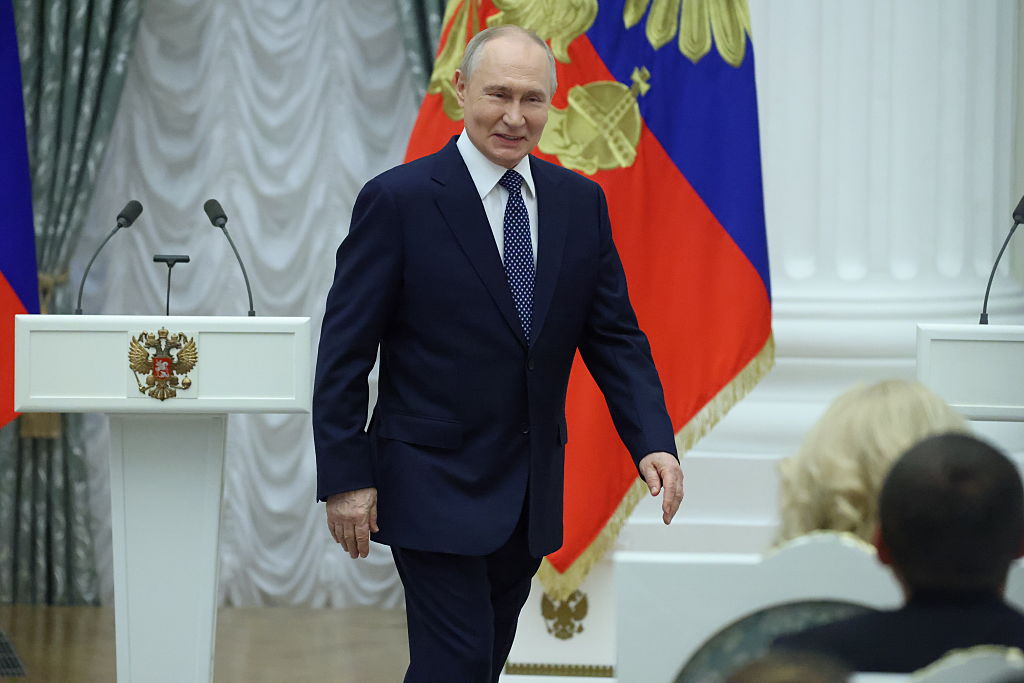
According to Brussels Signal, the office of European Council President António Costa has established initial diplomatic contacts with the Kremlin, with the exchanges designed to create channels of communication rather than begin formal negotiations.

Reuters reported the development on June 17, citing a senior EU official who confirmed that the contacts took place but emphasized that no substantive discussions occurred. The official explained that maintaining open lines of communication was essential because the European Union must be positioned to defend its interests in any future diplomatic process involving Russia.

The same official made clear that Brussels was not positioning itself as a mediator in the conflict, stating that the EU supports Ukraine in achieving a just and lasting peace.

The outreach comes amid growing debate among European leaders about how the bloc should prepare for potential diplomatic developments. While the United States has taken the lead in engaging with Moscow, European officials are reportedly anxious that critical decisions affecting the continent’s long-term security could be made without direct European participation.

Sources quoted by Politico indicated that officials in Brussels believe the bloc must be ready to engage Russia directly when circumstances require, rather than depending entirely on intermediaries.

The question of how Europe should coordinate its representation remains unresolved, as Brussels Signal reports, with member states divided on the approach. Some favor preparing diplomatic options while continuing military and financial support for Kiev, while others worry that opening political channels could be interpreted as weakening pressure on Moscow.

The Kyiv Independent described the initiative on June 17 as a practical diplomatic step rather than the beginning of peace negotiations, citing European officials. EU representatives continue to insist that any future settlement must include Ukraine directly and respect its sovereignty.

The contacts remain limited and exploratory at this stage. No negotiations have been reported, and no discussions on peace terms have occurred. However, the move indicates that Brussels is beginning to position itself for a scenario in which diplomatic engagement may eventually complement the military and economic pressure that has characterized the European response to Russia’s invasion.

With information from Brussels Signal
Share:
Dimitris Papafotis
Dimitris Papafotis

Dimitris Papafotis is the editor-in-chief of NewsFire.GR. He was born and raised in Athens. He studied at the Journalism Workshop (1991-1993). He currently lives in Pyrgos, Ilia, where he has been active in radio and various newspapers, while also maintaining his personal blog, Papafotis.gr.

According to Brussels Signal, the office of European Council President António Costa has established initial diplomatic contacts with the Kremlin, with the exchanges designed to create channels of communication rather than begin formal negotiations.

Reuters reported the development on June 17, citing a senior EU official who confirmed that the contacts took place but emphasized that no substantive discussions occurred. The official explained that maintaining open lines of communication was essential because the European Union must be positioned to defend its interests in any future diplomatic process involving Russia.

The same official made clear that Brussels was not positioning itself as a mediator in the conflict, stating that the EU supports Ukraine in achieving a just and lasting peace.

The outreach comes amid growing debate among European leaders about how the bloc should prepare for potential diplomatic developments. While the United States has taken the lead in engaging with Moscow, European officials are reportedly anxious that critical decisions affecting the continent’s long-term security could be made without direct European participation.

Sources quoted by Politico indicated that officials in Brussels believe the bloc must be ready to engage Russia directly when circumstances require, rather than depending entirely on intermediaries.

The question of how Europe should coordinate its representation remains unresolved, as Brussels Signal reports, with member states divided on the approach. Some favor preparing diplomatic options while continuing military and financial support for Kiev, while others worry that opening political channels could be interpreted as weakening pressure on Moscow.

The Kyiv Independent described the initiative on June 17 as a practical diplomatic step rather than the beginning of peace negotiations, citing European officials. EU representatives continue to insist that any future settlement must include Ukraine directly and respect its sovereignty.

The contacts remain limited and exploratory at this stage. No negotiations have been reported, and no discussions on peace terms have occurred. However, the move indicates that Brussels is beginning to position itself for a scenario in which diplomatic engagement may eventually complement the military and economic pressure that has characterized the European response to Russia’s invasion.

With information from Brussels Signal