
EU Member States Battle Over Long-Term Budget Numbers
EU member states are deeply divided over the bloc's next seven-year budget, with disputes between countries protecting agricultural funding and wealthier nations seeking cuts.

The clash came to a head on June 16 during a meeting of European affairs ministers in Luxembourg, according to Brussels Signal. The session marked the first political debate on a draft negotiating framework presented by Cyprus, which currently holds the rotating presidency of the Council of the European Union.
The Cypriot text will feed directly into a European Council summit scheduled for June 18 and 19 in Brussels, where the budget is expected to be one of the most contentious items on the agenda for EU leaders.
Deep Divide Over Spending Priorities
The dispute reflects a fundamental split within the European Union over fiscal priorities. Several member states are fighting to maintain current levels of spending on the Common Agricultural Policy and cohesion funds that support less developed regions. Meanwhile, net contributor countries—typically wealthier northern and western European nations—are demanding significant reductions to their financial obligations.
As Brussels Signal reports, ministers did manage to reach agreement on the outline of several new budgetary instruments, including a proposal for a single national and regional plan for each member state.
High-Stakes Summit Ahead
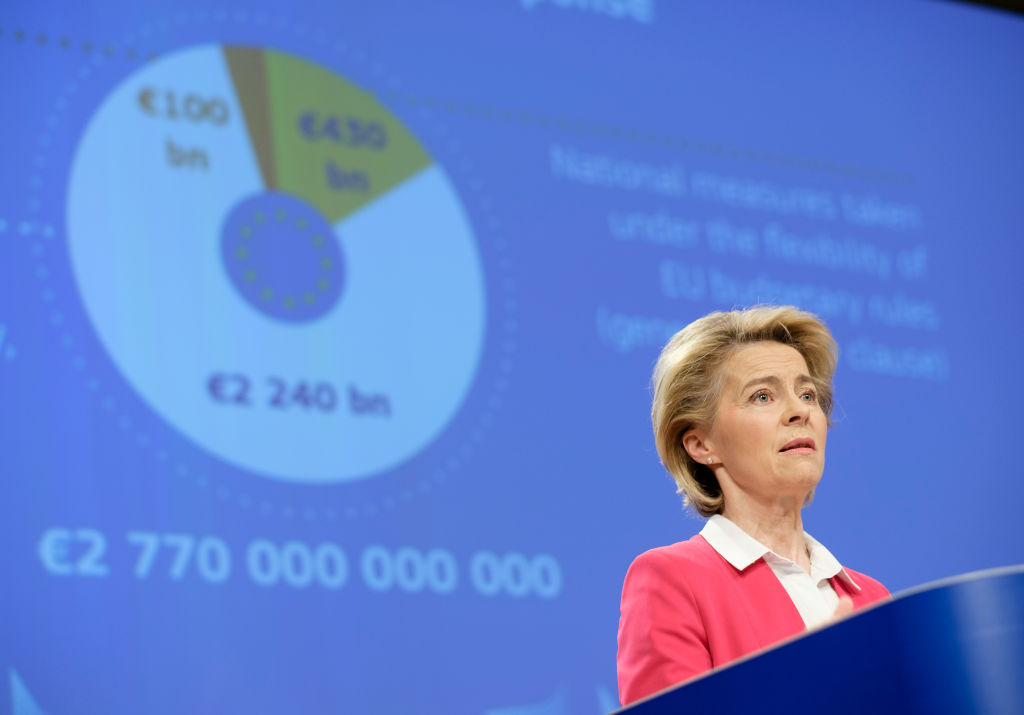
Ursula von der Leyen, President of the European Commission, will face pressure to broker a compromise between the competing factions at the upcoming Brussels summit. The seven-year budget framework, known formally as the Multiannual Financial Framework, determines spending levels across all EU programs and has historically been among the most difficult negotiations in European politics.
The outcome will have far-reaching implications for EU policy priorities ranging from agricultural subsidies and regional development to defense spending and climate initiatives. With member states showing little willingness to compromise on their core positions, the June summit may only mark the beginning of what could be protracted and difficult negotiations.
With information from Brussels Signal





