Necessary Cookies

Required for the site to function. Cannot be disabled.

Analytics Cookies

Help us understand how visitors interact with our site (Google Analytics via GTM).

Marketing Cookies

Used to track visitors and deliver personalised advertisements.

We use cookies to enhance your browsing experience and analyse site traffic. By clicking Accept All, you consent to our use of cookies. Privacy Policy
NewsFire Global
Home News Europe World Christianity Culture Wars Opinion Video
Information
About Us Authors Advertising Terms & Conditions Privacy Policy Contact
R2B Media
R2B NEWSFIRE.GR PAPAFOTIS.GR THRACTION HELLENIC CONSERVATIVES RIGHT2THEBONE YT
News Europe

Doctor in Hamburg Problem District: “It Makes Me Angry These Kids Aren’t in Kindergarten But Already in Koran School”

A pediatrician in Hamburg's Steilshoop district warns of healthcare collapse as he remains the sole children's doctor serving 19,800 residents amid physician exodus and overwhelming demand.

Dimitris Papafotis
Dimitris Papafotis Editor in Chief
JUNE 11, 2026 AT 2:00 AM

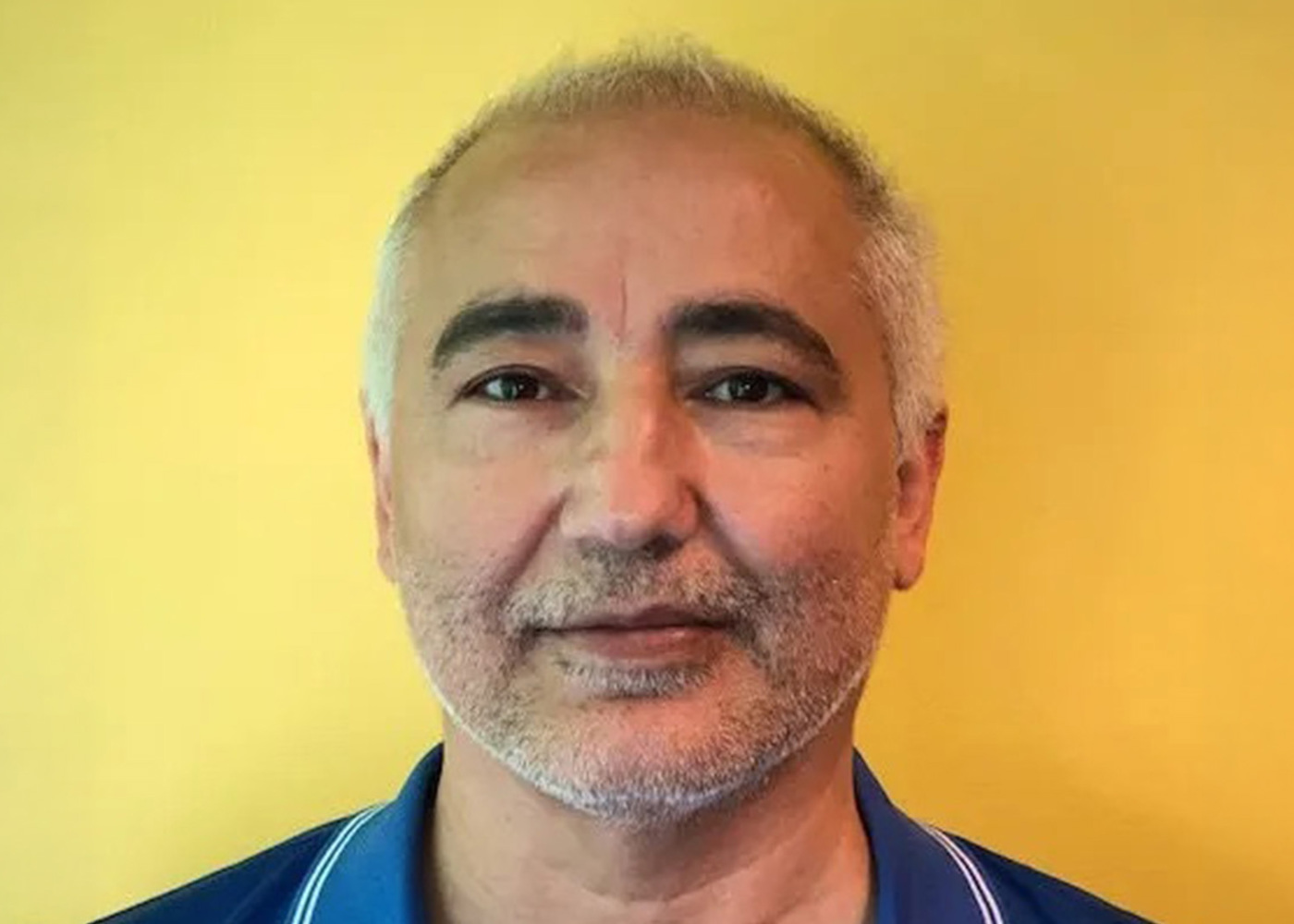
Dr. Adnan Akbaba is the last remaining pediatrician in Steilshoop, a district of approximately 19,800 residents that has seen its medical services evaporate over recent years. According to Nius, the area now has just one general practitioner and one pediatrician serving the entire population—a catastrophic shortage that leaves families unable to access even basic preventive care for their children.

The situation has deteriorated dramatically in just six years. Where ten general practitioners once served the community, only Akbaba and a single family doctor remain. Many physicians have simply closed their practices or relocated to other parts of the city, abandoning a population in desperate need of care.

A Physician Who Refuses to Abandon Ship

Akbaba himself came to Germany at age five as the child of Turkish guest workers. Growing up as one of eight children in difficult circumstances, with a mother who never learned to read or write, he understands poverty firsthand. He opened his practice in Steilshoop precisely because of this background, wanting to show children that they should believe in better possibilities regardless of what they see around them.

Yet he admits the weight of the burden. He treats approximately 1,800 patients per quarter, of whom only about 20 are private payers. The building housing his practice stands largely vacant, with no caretaker or security service. The stairwell reeks of feces. Demand is so overwhelming that the practice door must often remain closed simply because there are too many patients to handle.

Despite having the financial means to shut down, Akbaba continues working. He compares leaving to a captain abandoning ship before the passengers, though he acknowledges feeling as if he stands on a sinking vessel.

Children Lost in a Broken System

The physician describes encountering children who clearly are not safe with their parents, but seeing them too infrequently to provide concrete evidence to youth authorities. Many do not attend kindergarten. When children do enter foster care or other protective arrangements, the practice receives notification—and the staff breathes a sigh of relief knowing the child is safe. Often, however, it is not long before the mother appears in the waiting room with a new baby.

Scathing Critique of Immigration Policy

Akbaba reserves his harshest criticism for German politicians who permit mass immigration without adequate planning or integration infrastructure. He argues that if authorities cannot properly support and make demands of immigrants, they should not accept more—and that continuing to do so creates social explosives within German society.

He expresses particular anger when encountering children of recent arrivals who are not enrolled in kindergarten but are already registered in Quran schools. The failure to integrate and the parallel development of separate cultural institutions represents a betrayal of both immigrants and the host society, in his view.

The Steilshoop case illustrates a pattern emerging across Western European cities: the withdrawal of essential services from areas with high concentrations of immigrants and social problems, creating medical deserts where basic healthcare becomes unavailable to vulnerable populations including children. What Akbaba describes is not merely a healthcare crisis but a fundamental breakdown of the social contract in neighborhoods the state appears to have written off.

With information from Nius

Share:
Dimitris Papafotis
Dimitris Papafotis

Dimitris Papafotis is the editor-in-chief of NewsFire.GR. He was born and raised in Athens. He studied at the Journalism Workshop (1991-1993). He currently lives in Pyrgos, Ilia, where he has been active in radio and various newspapers, while also maintaining his personal blog, Papafotis.gr.

Dr. Adnan Akbaba is the last remaining pediatrician in Steilshoop, a district of approximately 19,800 residents that has seen its medical services evaporate over recent years. According to Nius, the area now has just one general practitioner and one pediatrician serving the entire population—a catastrophic shortage that leaves families unable to access even basic preventive care for their children.

The situation has deteriorated dramatically in just six years. Where ten general practitioners once served the community, only Akbaba and a single family doctor remain. Many physicians have simply closed their practices or relocated to other parts of the city, abandoning a population in desperate need of care.

A Physician Who Refuses to Abandon Ship

Akbaba himself came to Germany at age five as the child of Turkish guest workers. Growing up as one of eight children in difficult circumstances, with a mother who never learned to read or write, he understands poverty firsthand. He opened his practice in Steilshoop precisely because of this background, wanting to show children that they should believe in better possibilities regardless of what they see around them.

Yet he admits the weight of the burden. He treats approximately 1,800 patients per quarter, of whom only about 20 are private payers. The building housing his practice stands largely vacant, with no caretaker or security service. The stairwell reeks of feces. Demand is so overwhelming that the practice door must often remain closed simply because there are too many patients to handle.

Despite having the financial means to shut down, Akbaba continues working. He compares leaving to a captain abandoning ship before the passengers, though he acknowledges feeling as if he stands on a sinking vessel.

Children Lost in a Broken System

The physician describes encountering children who clearly are not safe with their parents, but seeing them too infrequently to provide concrete evidence to youth authorities. Many do not attend kindergarten. When children do enter foster care or other protective arrangements, the practice receives notification—and the staff breathes a sigh of relief knowing the child is safe. Often, however, it is not long before the mother appears in the waiting room with a new baby.

Scathing Critique of Immigration Policy

Akbaba reserves his harshest criticism for German politicians who permit mass immigration without adequate planning or integration infrastructure. He argues that if authorities cannot properly support and make demands of immigrants, they should not accept more—and that continuing to do so creates social explosives within German society.

He expresses particular anger when encountering children of recent arrivals who are not enrolled in kindergarten but are already registered in Quran schools. The failure to integrate and the parallel development of separate cultural institutions represents a betrayal of both immigrants and the host society, in his view.

The Steilshoop case illustrates a pattern emerging across Western European cities: the withdrawal of essential services from areas with high concentrations of immigrants and social problems, creating medical deserts where basic healthcare becomes unavailable to vulnerable populations including children. What Akbaba describes is not merely a healthcare crisis but a fundamental breakdown of the social contract in neighborhoods the state appears to have written off.

With information from Nius

