Necessary Cookies

Required for the site to function. Cannot be disabled.

Analytics Cookies

Help us understand how visitors interact with our site (Google Analytics via GTM).

Marketing Cookies

Used to track visitors and deliver personalised advertisements.

We use cookies to enhance your browsing experience and analyse site traffic. By clicking Accept All, you consent to our use of cookies. Privacy Policy
NewsFire Global
Home News Europe World Christianity Culture Wars Opinion Video
Information
About Us Authors Advertising Terms & Conditions Privacy Policy Contact
R2B Media
R2B NEWSFIRE.GR PAPAFOTIS.GR THRACTION HELLENIC CONSERVATIVES RIGHT2THEBONE YT
News World

Doctor Euthanizes 45-Year-Old Man After Meeting at Coffee Shop

A Canadian doctor is under investigation for conducting a euthanasia assessment outside a Tim Hortons and administering a lethal injection in a morgue, raising concerns about oversight of the country's assisted death program.
Stefanos Banos
Stefanos Banos Staff Writer
MAY 28, 2026 AT 12:35 AM

Dr. James MacLean, practicing in London, Ontario, faced investigation following allegations he improperly administered Canada’s Medical Assistance in Dying program to Thomas Dillon, a patient suffering from Crohn’s disease and depression.

The case has reignited debate over the oversight mechanisms governing Canada’s assisted death regime, which allows physicians to end the lives of patients deemed eligible under liberal criteria established by federal legislation.

Assessment Conducted Outside Fast Food Chain

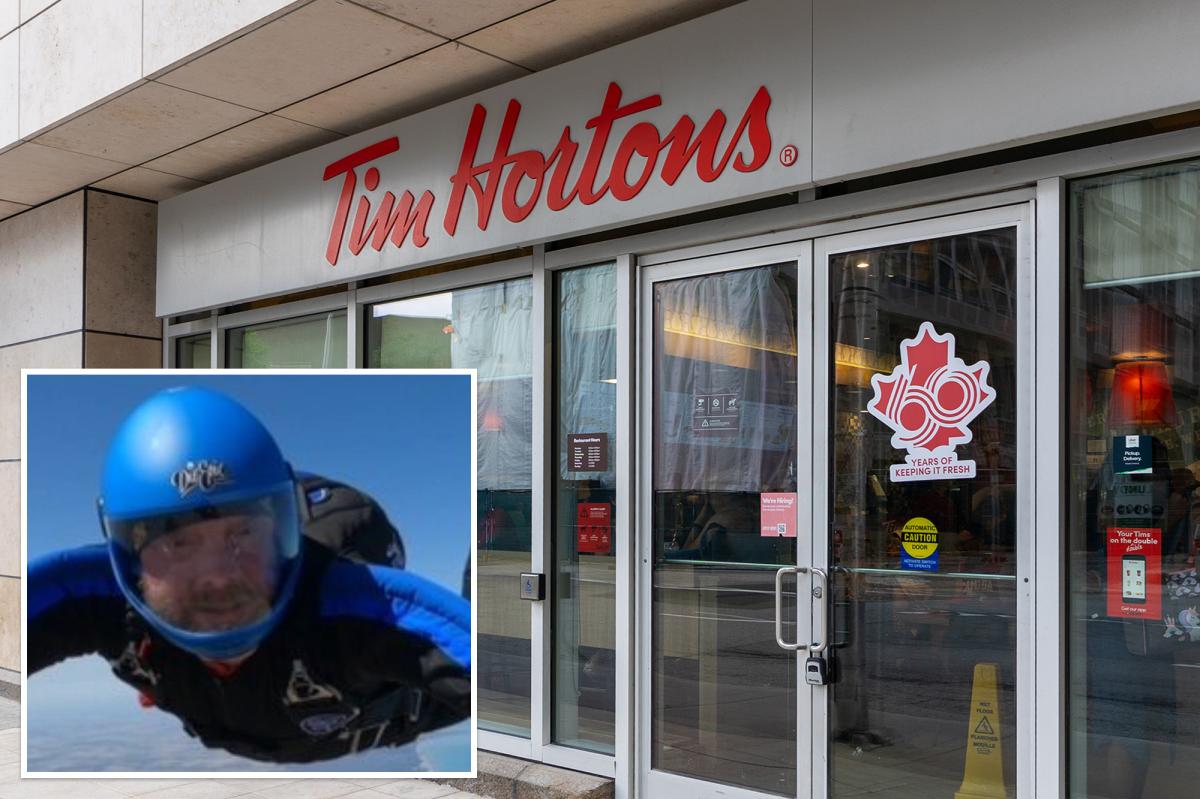
MacLean evaluated Dillon outside a Tim Hortons location in June 2023, determining he qualified for euthanasia under the program’s “track 2” pathway, as New York Post reports. This category applies to individuals with incurable medical conditions who are not necessarily facing imminent death.

Following the assessment, MacLean and Dillon exchanged numerous text messages regarding arrangements for the procedure. The physician personally drove his patient to the facility where the lethal injection would be administered.

In June 2024, MacLean carried out the procedure at an industrial unit where human cadavers are prepared for funeral services, injecting Dillon with a fatal combination of drugs inside a morgue holding room.

Second Case Reveals Procedural Failure

Authorities also investigated MacLean over a separate assisted death case in which he allegedly failed to administer one of the three drugs required under Canada’s euthanasia protocol.

The unidentified patient resumed breathing after being declared dead, according to officials. MacLean had already departed the residence when the patient began breathing again, having allegedly omitted the medication that paralyzes the body’s respiratory muscles.

Limited Regulatory Consequences

Despite the gravity of both cases, the College of Physicians and Surgeons of Ontario opted against revoking MacLean’s medical license. The regulatory body instead issued a verbal caution and imposed legally binding practice restrictions.

Dr. Ramona Coelho, a family physician and former member of Ontario’s MAID death review committee, criticized the regulatory response as insufficient given the severity of the violations.

MacLean received a mandatory clinical supervision order lasting at least six months, during which an assigned supervisor will monitor his medical activities. His patient records, particularly those involving euthanasia requests and evaluations, will undergo regular mandatory audits.

The physician was also directed to complete professional education focusing on the legal framework governing assisted death, informed consent requirements, and professional boundary maintenance. The decision was issued March 26.

The case underscores growing concerns among critics that Canada’s expansive euthanasia program lacks adequate safeguards and accountability measures to prevent abuse and ensure vulnerable patients receive appropriate protection rather than death as a medical solution.

With information from New York Post

Share:
Stefanos Banos
Stefanos Banos

Stefanos Banos was born in Piraeus and is an editor at NewsFire.GR, specializing in political analysis and international relations. He graduated from the Department of Communication and Media at the University of Bremen in Germany, where he also completed his Master of Arts in Communication and Media Studies. Married to Zoi, he is a proud father of three boys.

Dr. James MacLean, practicing in London, Ontario, faced investigation following allegations he improperly administered Canada’s Medical Assistance in Dying program to Thomas Dillon, a patient suffering from Crohn’s disease and depression.

The case has reignited debate over the oversight mechanisms governing Canada’s assisted death regime, which allows physicians to end the lives of patients deemed eligible under liberal criteria established by federal legislation.

Assessment Conducted Outside Fast Food Chain

MacLean evaluated Dillon outside a Tim Hortons location in June 2023, determining he qualified for euthanasia under the program’s “track 2” pathway, as New York Post reports. This category applies to individuals with incurable medical conditions who are not necessarily facing imminent death.

Following the assessment, MacLean and Dillon exchanged numerous text messages regarding arrangements for the procedure. The physician personally drove his patient to the facility where the lethal injection would be administered.

In June 2024, MacLean carried out the procedure at an industrial unit where human cadavers are prepared for funeral services, injecting Dillon with a fatal combination of drugs inside a morgue holding room.

Second Case Reveals Procedural Failure

Authorities also investigated MacLean over a separate assisted death case in which he allegedly failed to administer one of the three drugs required under Canada’s euthanasia protocol.

The unidentified patient resumed breathing after being declared dead, according to officials. MacLean had already departed the residence when the patient began breathing again, having allegedly omitted the medication that paralyzes the body’s respiratory muscles.

Limited Regulatory Consequences

Despite the gravity of both cases, the College of Physicians and Surgeons of Ontario opted against revoking MacLean’s medical license. The regulatory body instead issued a verbal caution and imposed legally binding practice restrictions.

Dr. Ramona Coelho, a family physician and former member of Ontario’s MAID death review committee, criticized the regulatory response as insufficient given the severity of the violations.

MacLean received a mandatory clinical supervision order lasting at least six months, during which an assigned supervisor will monitor his medical activities. His patient records, particularly those involving euthanasia requests and evaluations, will undergo regular mandatory audits.

The physician was also directed to complete professional education focusing on the legal framework governing assisted death, informed consent requirements, and professional boundary maintenance. The decision was issued March 26.

The case underscores growing concerns among critics that Canada’s expansive euthanasia program lacks adequate safeguards and accountability measures to prevent abuse and ensure vulnerable patients receive appropriate protection rather than death as a medical solution.

With information from New York Post