
Democracy Researcher on Merz’s Real Name Demand: “Total Derailment”
A German democracy professor sharply criticized Chancellor Merz's call for real names in public debate, warning that free speech erosion in Germany is dramatic and threatens citizens' ability to critique power.
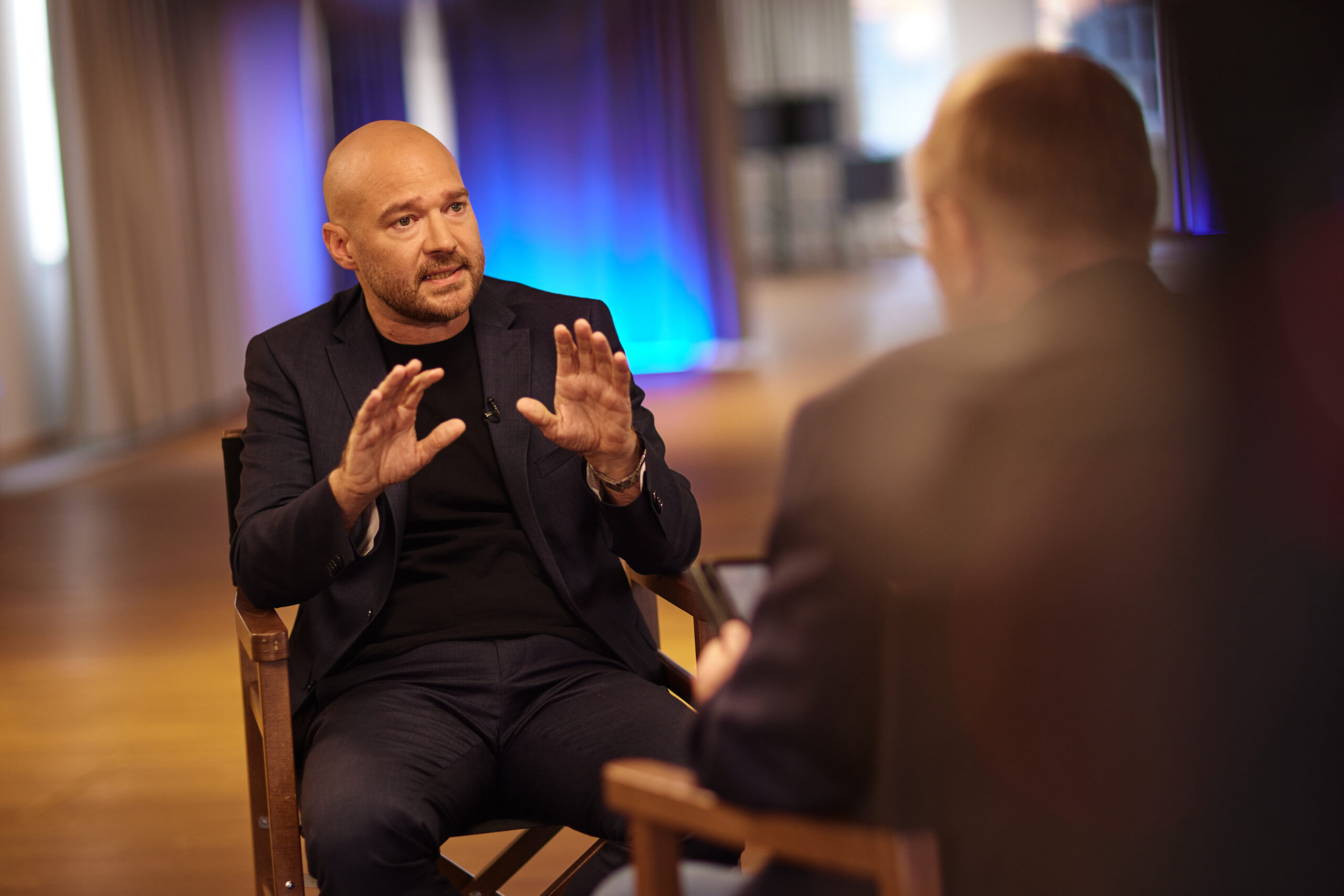
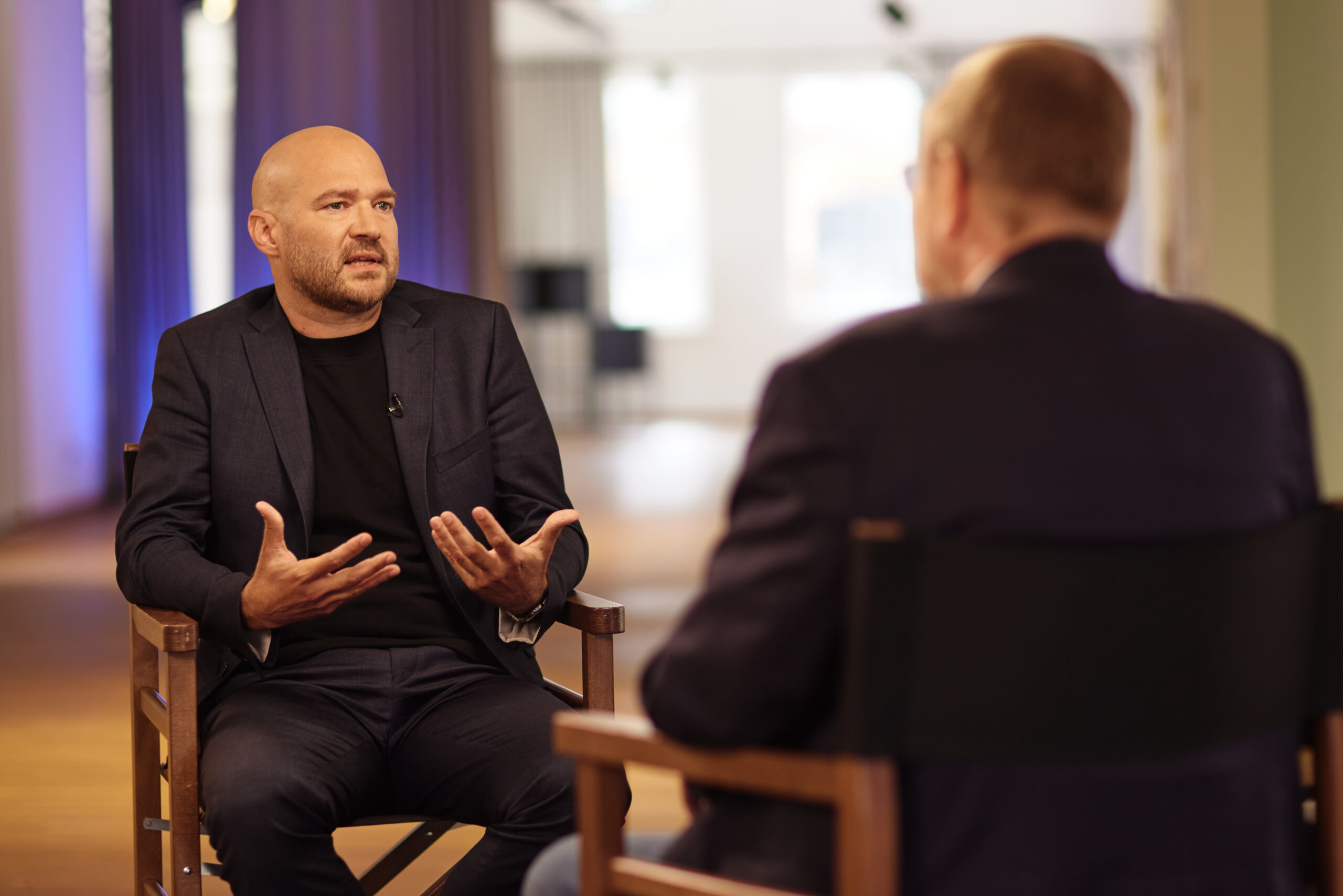
Professor Richard Traunmüller of the University of Mannheim, who conducts empirical research on democratic systems, delivered his scathing assessment during an interview with political editor Ralf Schuler, according to Nius. The academic took particular aim at recent remarks by Merz demanding real names in public debate.
At a CDU party conference in Stuttgart this February, Merz declared he wanted to see real names used in political discourse. The Chancellor argued that anyone demanding transparency from others should participate in societal debate with an open visor.
Traunmüller rejected this position in forceful terms. Merz apparently fails to recognize that there exists a fundamental asymmetry between an official who serves at the people’s behest and the individual citizen, the professor told Nius. He characterized Merz’s performance at the conference as a complete derailment.
Free Speech as Critique of Power
The Mannheim researcher emphasized that the core of free speech in liberal democracy lies precisely in enabling citizens to criticize the powerful. Freedom of expression is fundamentally about critiquing authority, he explained, including the ability to harshly criticize politicians, officials, and those who govern.
This principle makes the current trajectory in Germany all the more concerning, according to Traunmüller. He shares the impression that political criticism has become not merely unwelcome but actively prosecuted. As evidence, he pointed to Paragraph 188 of the criminal code, which addresses insults against politicians.
Since its tightening, this statute has been applied vigorously. Traunmüller questions whether politicians are actually helping themselves with such measures. His research indicates that when citizens must choose between free speech and protecting politicians from insults, the majority tilts very clearly toward freedom of expression.
A Dramatic Decline in Perceived Freedom
The professor cited the well-known Allensbach time series data on perceived freedom of speech. In the 1970s, 83 percent of German citizens said they could speak their minds freely. Today, fewer than half feel that way.
This represents a trend that is genuinely unique from the perspective of empirical democracy research, Traunmüller stated. There are very few indicators that show such a steep decline. From his perspective, it constitutes a dramatic development.
Traunmüller disputes the widespread interpretation that Germans misunderstand free speech or simply cannot tolerate disagreement. His research reveals something different: a fear of being branded as racist, right-wing, or extremist.
The academic’s findings suggest that political intimidation and the weaponization of social stigma have created a chilling effect on public discourse in Germany. Rather than encouraging robust debate, current practices appear to be driving citizens into self-censorship.
The full interview with Professor Richard Traunmüller was conducted by NIUS political chief Ralf Schuler as part of the outlet’s interview series examining contemporary political questions in Germany.
With information from Nius





