
Correctiv Takes EU Money to Report on the EU
The European Union is financing media outlets including controversial German organization Correctiv with 7.4 million euros to report on EU affairs, raising concerns about journalistic independence.
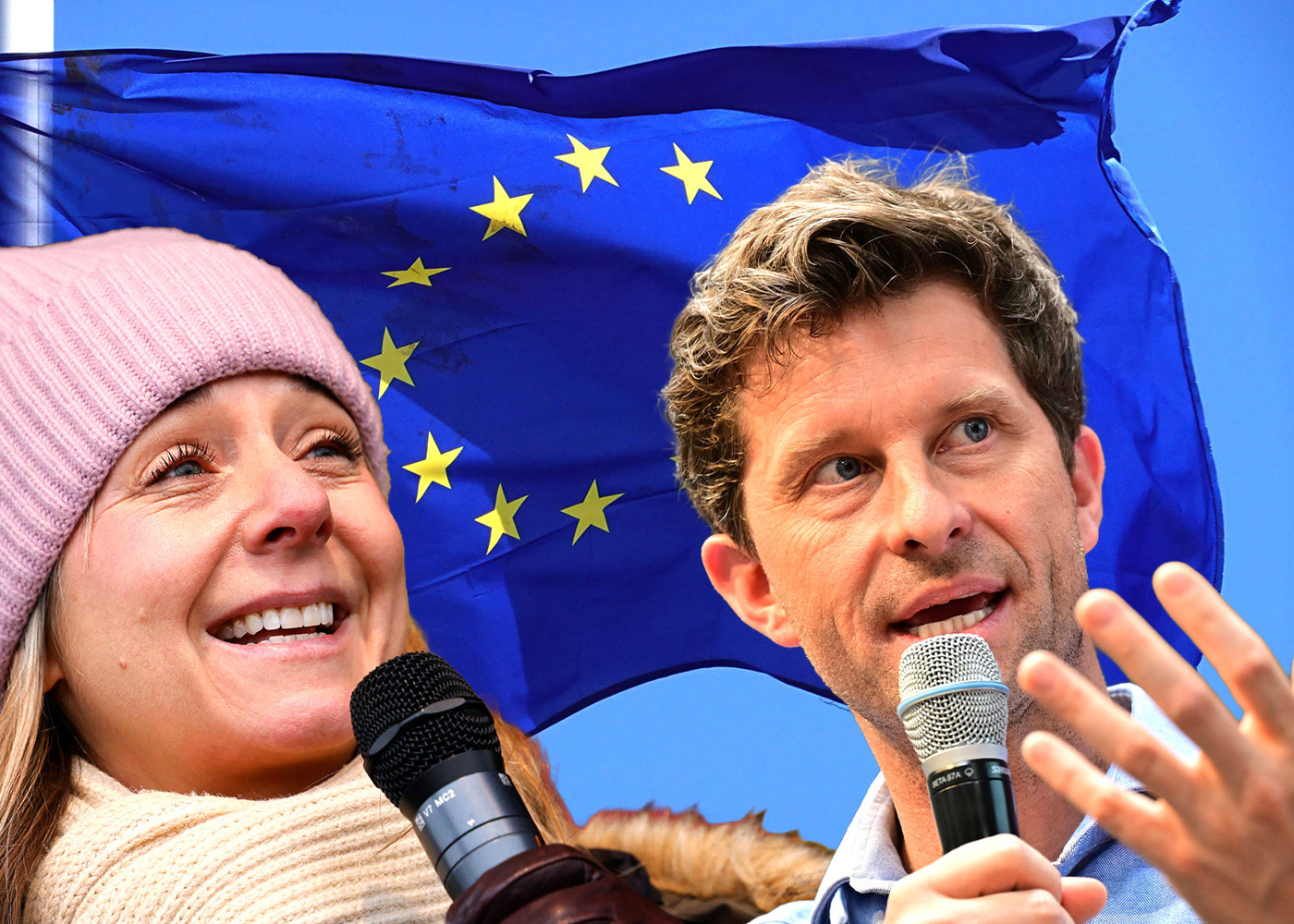

According to Nius, the EU is distributing a total of 7.4 million euros through various funding programs designed to support media coverage of European affairs. The European Commission states these outlets should inform Europeans about developments at the European level, yet the arrangement creates an obvious conflict of interest whereby media organizations become financially dependent on the very government institutions they should be scrutinizing critically.
Correctiv receives funding through the LENS EU program, one of three EU media financing initiatives. The program supports nine organizations tasked with producing flagship podcasts and newsletters covering European affairs. The EU website states these outlets will deliver nearly 400 news programs monthly, aiming to reach 100,000 users each month while focusing on topics including geopolitics and security, democracy and civil society, and economic inequalities.
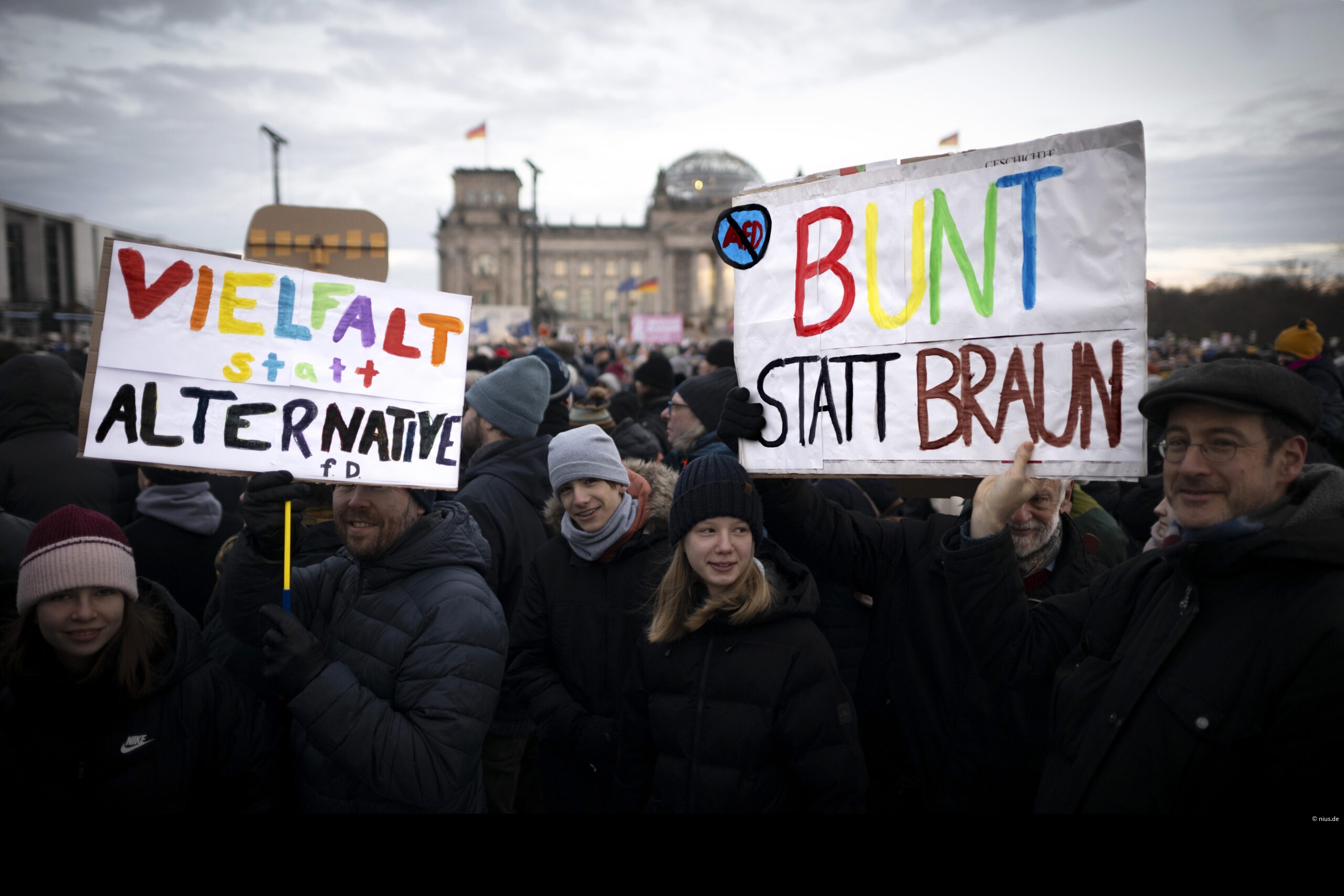
The left-leaning Correctiv has faced sustained criticism, particularly following its widely publicized investigation into supposed remigration plans that triggered mass demonstrations against the AfD party in January 2024. Key elements of that reporting were subsequently struck down in court after Correctiv claimed German citizens with migration backgrounds faced planned deportations, allegations that proved fabricated.
An additional 3.7 million euros flows through the BEAM program to Arte, the Franco-German television broadcaster, and other channels. The EU Commission explains this funding aims to produce more than 30 in-depth articles and approximately 400 audiovisual pieces in various formats, including a weekly 10-minute flagship program, shorter content targeting younger audiences, investigative video reports, and documentaries. This means German public broadcasting receives financing not only from mandatory household fees but also from tax revenues.
The third initiative, Pulse 2, distributes another 2.5 million euros focusing on citizen-oriented topics ranging from social to environmental issues. According to the EU, participating media houses come from 12 different member states with emphasis on Central and Eastern Europe. The project sets a target for journalists to collaboratively produce nearly 3,000 articles over two years, including 450 multimedia formats such as podcasts and videos.
Brussels plans to massively expand state financing of media operations and establish a network of government-selected and funded fact-checkers who would work directly with EU authorities. These plans form part of the European Democracy Shield, an EU program designed to restructure the European media landscape that would effectively marginalize newer media outlets. Nius published detailed reporting on these developments earlier this week.
The funding model represents a fundamental challenge to press freedom principles, as news organizations receiving government money face inherent pressure to avoid critical coverage of their benefactors. The arrangement essentially allows the EU to subsidize favorable coverage while maintaining a veneer of independent journalism.
With information from Nius





