
Climate Superlatives: The Dirty Tricks Behind ‘Warmest Summer
A mathematician claims climate researchers manipulate statistics to artificially lower past temperatures, making recent warming seem more dramatic than it actually is.


Stephen McIntyre, a Canadian mathematician and mining specialist, has spent over two decades scrutinizing the temperature reconstructions used by climate science, particularly those featured in reports by the Intergovernmental Panel on Climate Change. His analysis challenges the foundations of sensational headlines claiming summers like 2023 were the hottest in two millennia.
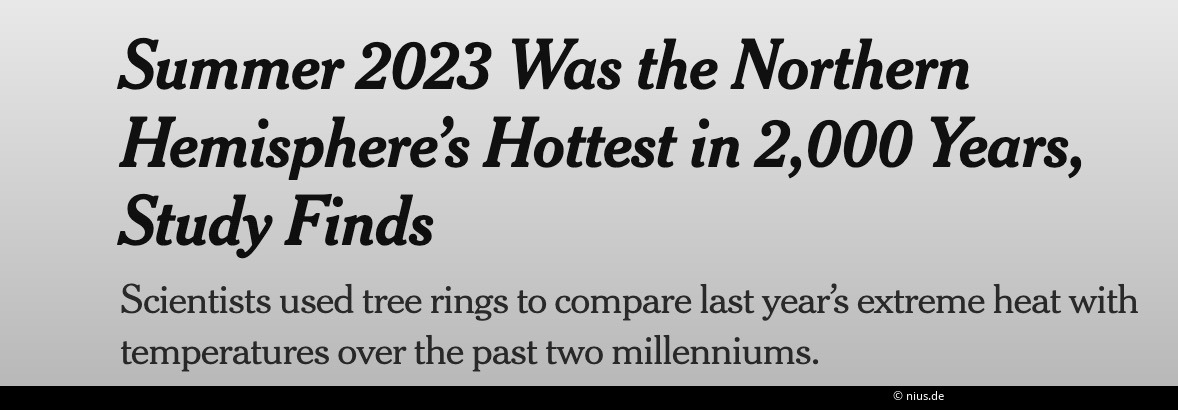
The controversy centers on how modern temperature measurements are compared with historical climate data. In 2024, the New York Times ran a headline stating that summer 2023 was the hottest in the Northern Hemisphere in 2000 years, based on a study using tree ring data. German media outlets including Der Spiegel repeated similar claims.
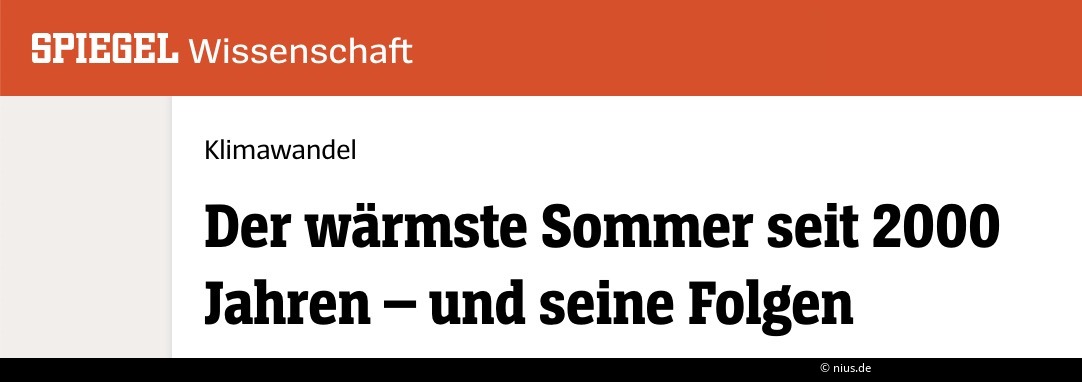
These assertions rest on reconstructions that combine direct thermometer readings with so-called proxy data derived from tree rings, ice cores, and coral samples. The methodology follows the pattern established by the famous hockey stick diagram that appeared in the 2001 IPCC report, which showed relatively stable temperatures for a thousand years followed by a sharp modern increase.
The Statistical Uncertainty Question
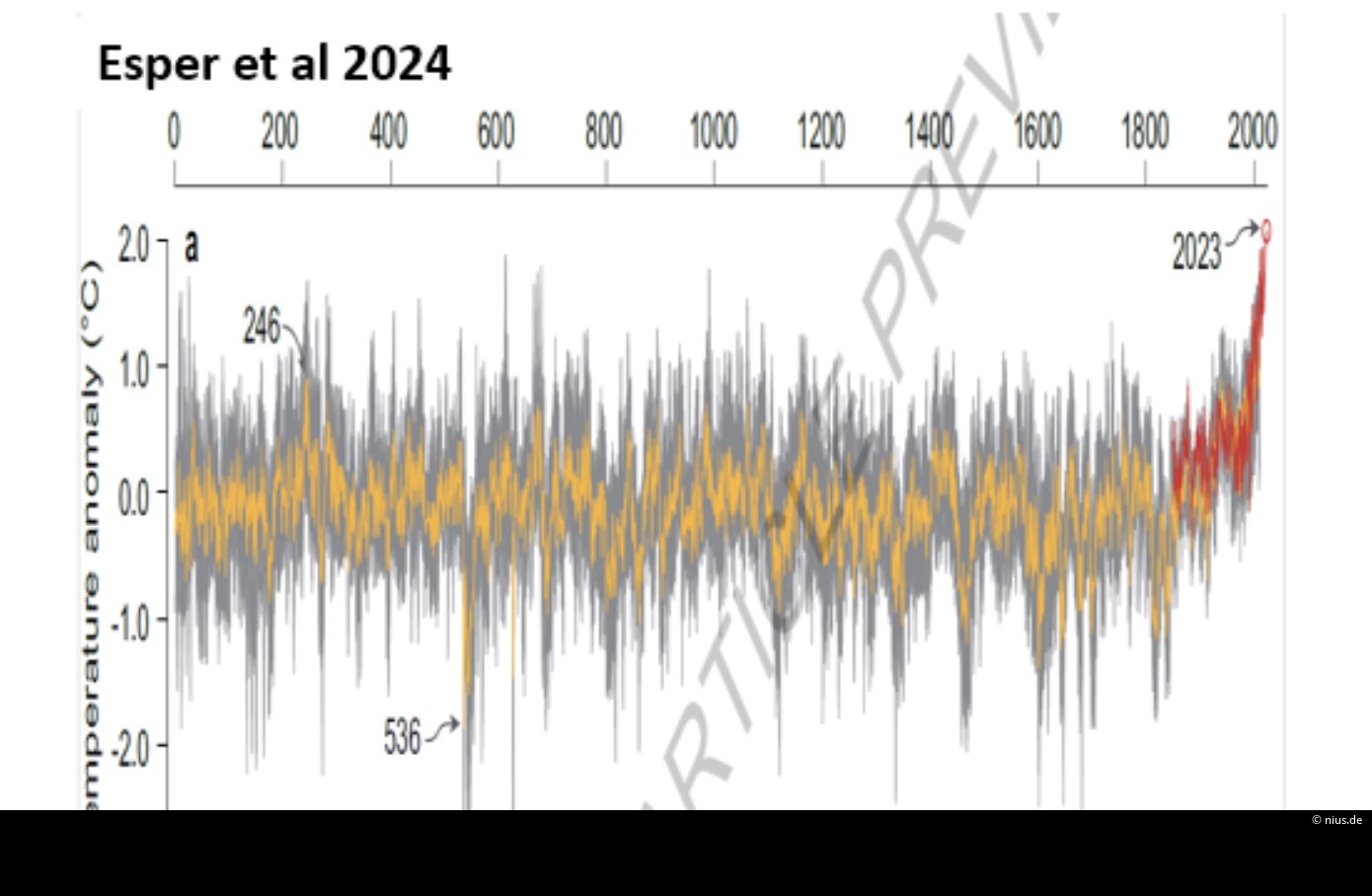
The diagrams at the heart of these claims show a temperature curve surrounded by a gray confidence interval representing statistical uncertainty. When current measured temperatures fall above this gray uncertainty band, researchers declare record-breaking heat. The 2024 study that generated headlines uses this exact approach, as Nius reports.
McIntyre points out that the 2001 IPCC diagram and the 2024 reconstruction are built on essentially the same statistical foundation. Both compare a single modern temperature measurement against a statistical uncertainty corridor calculated from historical proxy data. The width of that uncertainty band becomes critical to the conclusions drawn.
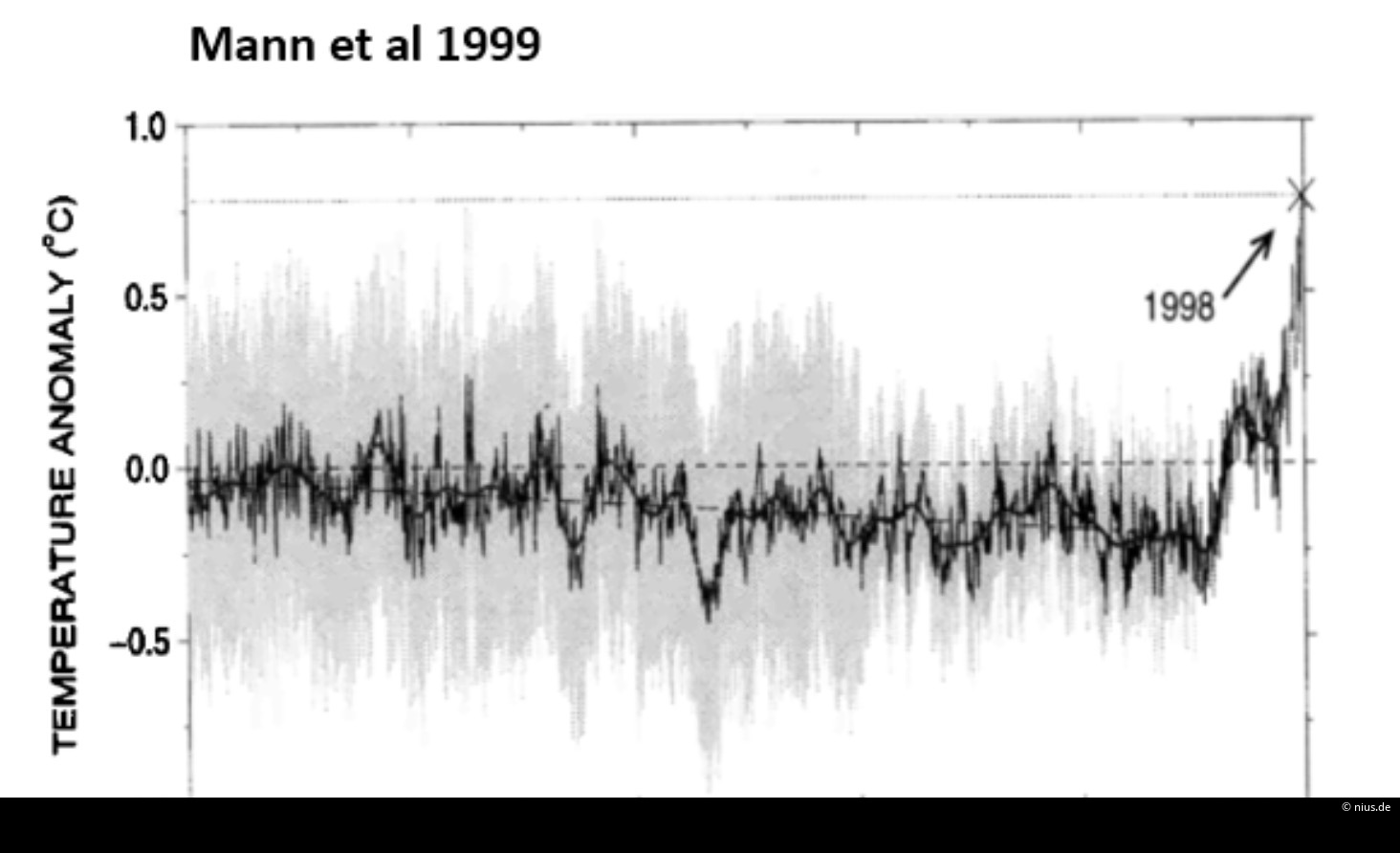
In the 2001 IPCC report, Michael E. Mann declared 1998 the warmest year in a thousand years using this methodology. Mann led the authorship of that IPCC chapter and created the hockey stick diagram that has since shaped climate policy worldwide.
Training Data and Methodological Concerns
McIntyre’s critique focuses on the statistical procedures used to convert proxy data like tree rings into temperature reconstructions. On his website, he concludes that authors of both the 2001 and 2024 studies employed the same basic method, raising questions about how these models are calibrated.

The Canadian researcher emphasizes that his analysis does not represent a conflict between climate change deniers and science, but rather a methodological debate between climate modelers and statistical critics. This distinction has been documented in investigative work, including a Finnish documentary with German subtitles examining the Climategate scandal.
How Temperature Models Are Constructed
Climate reconstructions begin by training mathematical models to identify statistical relationships between proxy indicators like tree rings and actual temperatures during periods when both types of data exist. The model learns these patterns during a training phase, then applies them to earlier periods where only proxy data exists.
McIntyre contends that the statistical techniques used in this training process contain what he calls dirty tricks. By manipulating how the uncertainty intervals are calculated, he argues, researchers can make past temperatures appear cooler than they may have been. This compression of historical temperature ranges makes modern warming seem more unprecedented by comparison.
The mathematician’s work highlights a fundamental tension in climate science: how much confidence can be placed in temperature reconstructions that rely on indirect proxy measurements calibrated against relatively short periods of direct observation? The answers have profound implications for public understanding of climate history and policy responses.
German media outlets have consistently amplified claims about record-breaking temperatures based on these reconstructions. The Spiegel and other publications featured the 2023 summer heat story prominently, citing the two-thousand-year comparison without examining the underlying statistical methodology.
McIntyre’s analysis suggests that the dramatic headlines may rest on shakier statistical ground than the public realizes. By questioning how confidence intervals are calculated and how modern measurements are compared with reconstructed historical data, he challenges the foundation of superlative climate claims that have dominated news coverage in recent years.
The debate underscores ongoing questions about transparency in climate modeling and the extent to which statistical choices can influence scientific conclusions that drive major policy decisions affecting Western economies and societies.
With information from Nius





