
China Test-Fires Missile in Nuclear-Free Pacific Zone
China conducted its first long-range ballistic missile test from a submarine in the South Pacific since 2022, drawing diplomatic protests from Australia, Japan, and New Zealand.
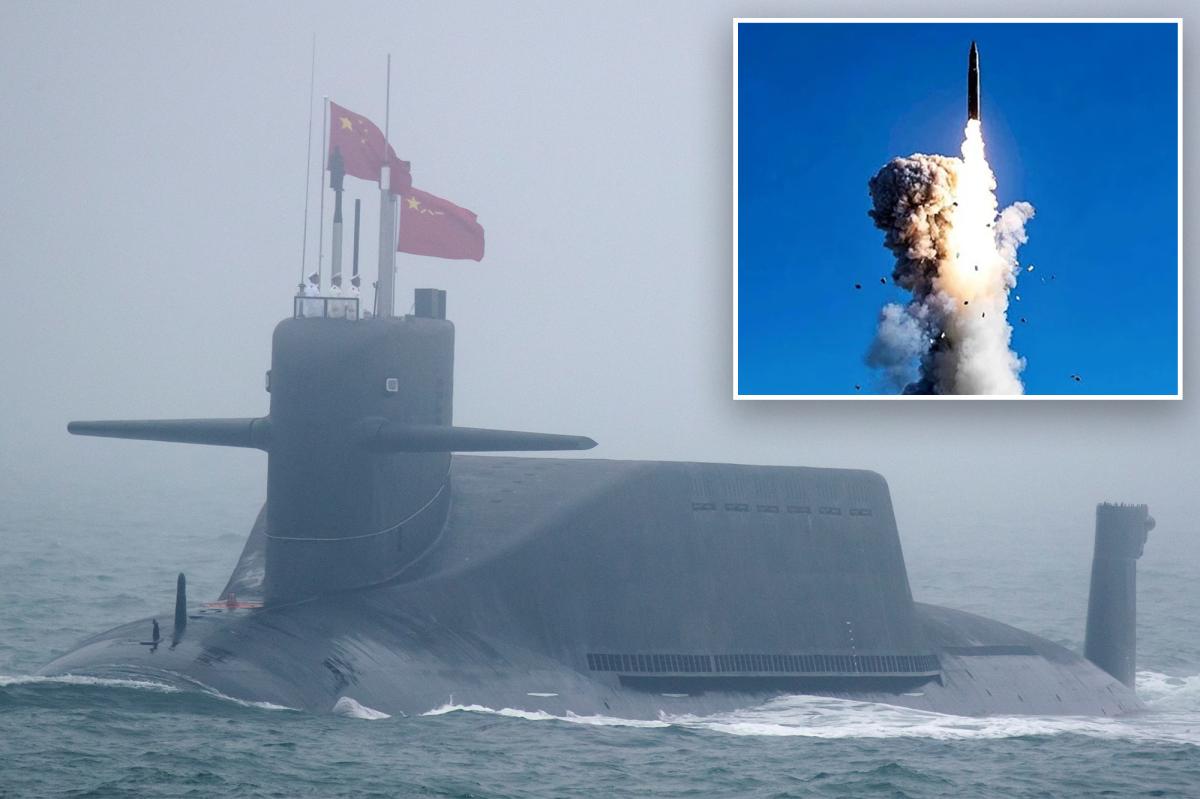

The missile launched at 12:01 p.m. local time and carried a dummy warhead, according to New York Post, citing the official Xinhua News Agency. The test marks only the second such launch in the Pacific in over four decades, following a similar exercise conducted by China two years ago.
China’s previous ballistic missile test in international waters in 2022 was the first since 1980, signaling a significant shift in Beijing’s willingness to demonstrate its strategic capabilities beyond its territorial waters.
The Ministry of Defense reposted a brief Xinhua statement claiming the launch was part of routine annual training exercises, complied with international law, and was not directed at any specific country or target. Chinese officials presented the test as standard military practice comparable to similar exercises conducted by the United States for its own ballistic missile fleet.
Regional Powers Voice Strong Opposition
Australia, Japan, and New Zealand all issued critical statements condemning the test. New Zealand officials revealed they were notified of the planned launch only hours before it occurred, and noted the missile was fired directly into the South Pacific Nuclear Free Zone.
The nuclear-free zone was established under the 1986 Treaty of Rarotonga, which explicitly prohibits nuclear weapons testing throughout the region. China ratified the treaty protocols in 1987, pledging not to conduct nuclear weapons tests within the zone or threaten signatories with territory in the area.
Winston Peters, New Zealand’s Foreign Minister, expressed frustration with Beijing’s approach, telling The Associated Press in a statement that despite long-standing concerns about such activities, China proceeded with the test within hours of notification.
Timing Coincides With Regional Security Developments
The missile test occurred on the same day Australia and Fiji signed a new mutual defense treaty designed to counter growing Chinese influence across Pacific island nations.
Penny Wong, Australia’s Foreign Minister, addressed reporters in Fiji following the test, stating that Canberra had made its position clear to Beijing. Australia has been clear with China that we regard this as destabilizing to the region, Wong said.
Japan’s Defense Ministry issued a formal statement conveying concern about China’s expanding military activities and requested Beijing to reconsider its missile testing protocols to ensure projectiles do not fly over Japanese territory or create security risks for the region.
China’s Growing Submarine Arsenal
According to the Nuclear Threat Initiative, a Washington-based think tank, China currently operates a fleet of six ballistic-missile submarines and 59 nuclear-powered attack submarines. The expanding submarine capability represents a key component of Beijing’s military modernization efforts and its ambitions to project power across the Indo-Pacific region.
The test underscores China’s determination to assert itself as a military superpower and signals its willingness to conduct strategic weapons demonstrations in contested international waters despite diplomatic objections from neighboring nations.
With information from New York Post





