Necessary Cookies

Required for the site to function. Cannot be disabled.

Analytics Cookies

Help us understand how visitors interact with our site (Google Analytics via GTM).

Marketing Cookies

Used to track visitors and deliver personalised advertisements.

We use cookies to enhance your browsing experience and analyse site traffic. By clicking Accept All, you consent to our use of cookies. Privacy Policy
NewsFire Global
Home News Europe World Christianity Culture Wars Opinion
Information
About Us Authors Advertising Terms & Conditions Privacy Policy Contact
R2B Media
R2B NEWSFIRE.GR PAPAFOTIS.GR THRACTION HELLENIC CONSERVATIVES RIGHT2THEBONE YT
News World

China Bans AI Videos That Mock State-Approved Media

Chinese authorities removed 8,000 AI-altered videos satirizing classical literature and historical dramas, targeting content that distorts beloved cultural works like Dream of the Red Chamber.

Newsroom
Newsroom Staff Writer
JUNE 3, 2026 AT 4:06 AM

The National Radio and Television Administration announced Monday that state broadcaster China Central Television oversaw the mass deletion of videos accused of distorting or vulgarizing beloved works from China’s cultural canon.

The Communist regime’s censors focused on removing AI-generated content that NRTA officials claim alters classic films, television programs, and animated productions based on the Four Great Classical Novels, historical narratives, revolutionary themes, and heroic figures deemed exemplary by the state.

State-run Global Times reported that major online platforms received instructions to strengthen monitoring systems and eliminate non-compliant AI-modified videos. The directive also targeted what authorities described as disturbing or inappropriate animated material.

Regulators identified three specific categories for removal: AI content that seriously warps the original spirit and characterization of source material, content promoting graphic violence or vulgarity, and content misappropriating Chinese cultural elements in ways that distort historical understanding.

Among the banned videos were AI modifications depicting Lin Daiyu, the delicate protagonist of the 18th-century romance novel Dream of the Red Chamber, transformed into a violent fighter who resolves conflicts through physical combat rather than the refined melancholy that defines her literary character.

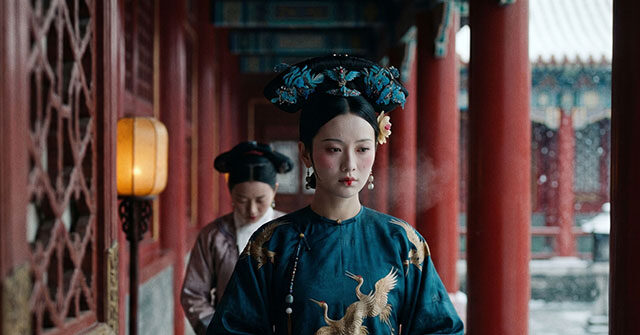
Another example cited by state media involved characters from the prestigious period drama Empresses in the Palace, which chronicles court intrigue among Imperial harem concubines in the early 18th century, being inserted into modern gunfight scenarios with contemporary firearms.

When the censorship initiative launched in late 2024, as Breitbart News reports, NRTA officials claimed such comedic AI edits damaged public recognition of traditional culture, betrayed the spirit of classical works, and potentially violated intellectual property rights.

The administration issued warnings to short video platforms demanding they strengthen review procedures for all AI-generated content and conduct self-examinations to avoid official consequences. Formal regulations codifying these restrictions were published in March 2025.

Social media companies rapidly complied with the new requirements, implementing labeling systems for AI-generated text and video content while removing material flagged by censors. Government regulators expressed particular concern about realistic AI representations of human beings, ultimately determining that even labeled parodies of cherished legends posed unacceptable risks of public confusion.

With information from Breitbart News

Share:
Newsroom
Newsroom

NewsFire.GR is a website created with the hope that the media will rediscover their true identity, which is none other than informing the public about the real stakes of our times. Journalism and political analysis must hold power accountable, not serve it.

The National Radio and Television Administration announced Monday that state broadcaster China Central Television oversaw the mass deletion of videos accused of distorting or vulgarizing beloved works from China’s cultural canon.

The Communist regime’s censors focused on removing AI-generated content that NRTA officials claim alters classic films, television programs, and animated productions based on the Four Great Classical Novels, historical narratives, revolutionary themes, and heroic figures deemed exemplary by the state.

State-run Global Times reported that major online platforms received instructions to strengthen monitoring systems and eliminate non-compliant AI-modified videos. The directive also targeted what authorities described as disturbing or inappropriate animated material.

Regulators identified three specific categories for removal: AI content that seriously warps the original spirit and characterization of source material, content promoting graphic violence or vulgarity, and content misappropriating Chinese cultural elements in ways that distort historical understanding.

Among the banned videos were AI modifications depicting Lin Daiyu, the delicate protagonist of the 18th-century romance novel Dream of the Red Chamber, transformed into a violent fighter who resolves conflicts through physical combat rather than the refined melancholy that defines her literary character.

Another example cited by state media involved characters from the prestigious period drama Empresses in the Palace, which chronicles court intrigue among Imperial harem concubines in the early 18th century, being inserted into modern gunfight scenarios with contemporary firearms.

When the censorship initiative launched in late 2024, as Breitbart News reports, NRTA officials claimed such comedic AI edits damaged public recognition of traditional culture, betrayed the spirit of classical works, and potentially violated intellectual property rights.

The administration issued warnings to short video platforms demanding they strengthen review procedures for all AI-generated content and conduct self-examinations to avoid official consequences. Formal regulations codifying these restrictions were published in March 2025.

Social media companies rapidly complied with the new requirements, implementing labeling systems for AI-generated text and video content while removing material flagged by censors. Government regulators expressed particular concern about realistic AI representations of human beings, ultimately determining that even labeled parodies of cherished legends posed unacceptable risks of public confusion.

With information from Breitbart News

