
Brussels Hails US-Iran Deal, Pushes for Open Strait of Hormuz
EU leaders endorsed a U.S.-Iran framework agreement and demanded the immediate reopening of the Strait of Hormuz without tolls or restrictions.
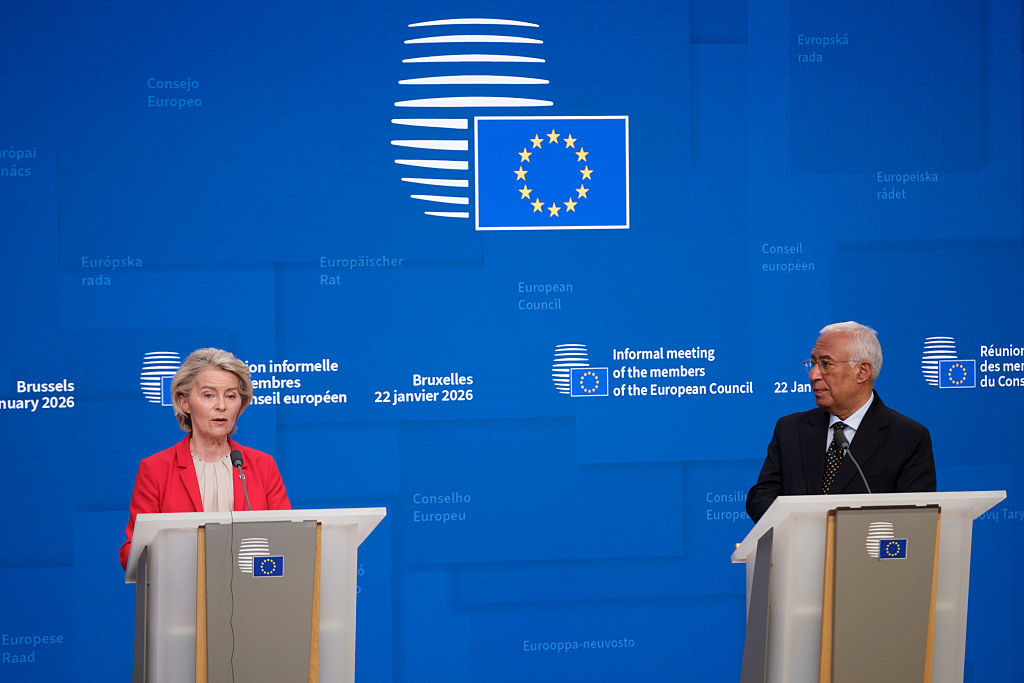

According to Brussels Signal, Ursula von der Leyen, president of the European Commission, António Costa, president of the European Council, and Kaja Kallas, the bloc’s foreign policy chief, all endorsed the deal on June 15. The announcement followed President Donald Trump‘s reveal of the accord one day earlier, which aims to conclude a conflict that erupted in February.
Von der Leyen emphasized that rapid and complete implementation by all parties must be the immediate priority. She stated that freedom of navigation through the waterway must be restored without tolls, calling the strait vital to both regional stability and the global economy.
The European Commission president warned that the crisis had demonstrated once more how energy dependence can be weaponized. She called for the EU to diversify its supply routes and establish alternative export corridors that would circumvent the Hormuz chokepoint. The issue is set to be addressed by G7 leaders at their summit in Evian, France this week.
Von der Leyen also addressed the broader Middle East situation, declaring that peace in the region cannot be achieved while Lebanon remains consumed by conflict. She called on all parties to respect Lebanese sovereignty and implement a genuine ceasefire, though she did not specifically name Israel.
Costa expressed his anticipation for the end of what he characterized as a costly war. The European Council president said weapons must now be silenced and remaining disputes settled through peaceful channels. He offered EU assistance in working toward a lasting settlement.
Kallas characterized the agreement as a potential breakthrough. She revealed that EU foreign ministers convening in Luxembourg on June 15 would evaluate how the bloc might participate in the next phase, affirming that the EU is prepared to contribute to a sustainable resolution.
Conflict Origins and Global Impact
The confrontation began on February 28, when the United States and Israel conducted strikes on Iran that killed supreme leader Ali Khamenei. Iran retaliated by closing the Strait of Hormuz, a waterway through which approximately 20 percent of the world’s oil supply passes, causing severe disruptions to global commerce.
The agreement currently exists as a framework document, with reports indicating formal signing will occur later in the week. Trump has stated that the United States will lift its naval blockade of Iranian ports and that toll-free shipping will resume once the document receives official signatures.
Lebanon and UNIFIL Transition
Kallas expressed hope that Lebanon would be included in ceasefire arrangements and stressed that the country continues to require support. She noted that the EU is considering whether to deploy its own mission as the United Nations Interim Force in Lebanon prepares to conclude its operations.
With information from Brussels Signal





