
Britain Bans Social Media for All Children Under 16
Britain's Prime Minister Keir Starmer announced a ban on social media for children under 16, with enforcement beginning in spring 2027 amid free speech concerns.
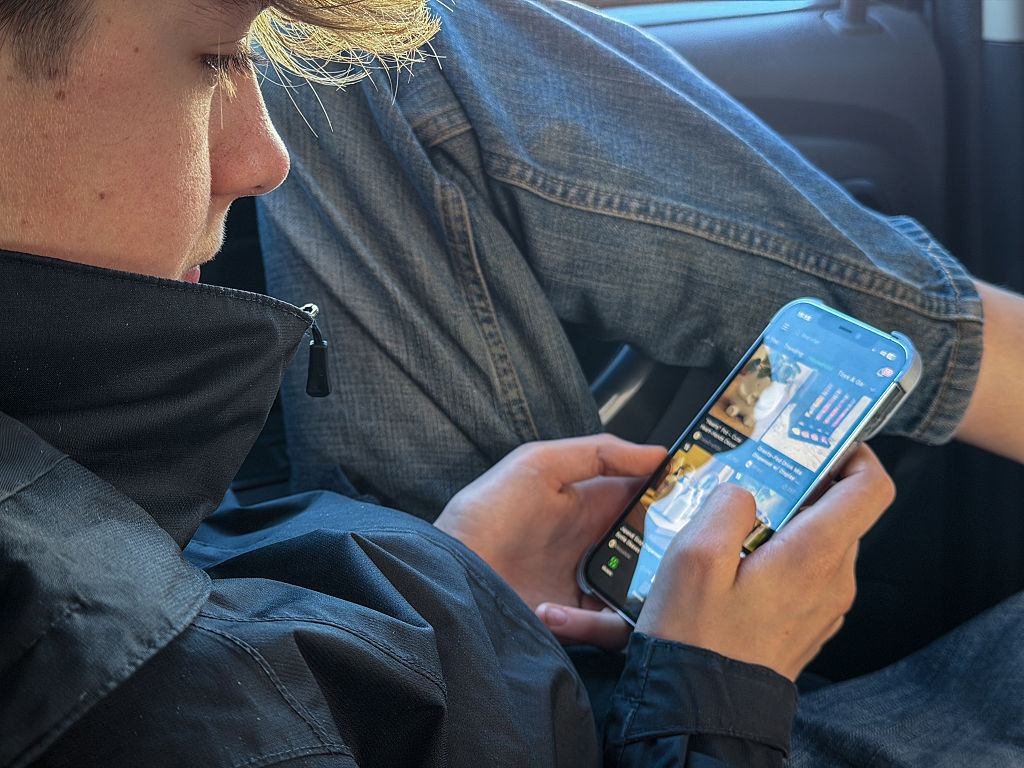

Prime Minister Keir Starmer confirmed the measure at a press conference on 15 June 2026, declaring a full ban on under-16s accessing major social media platforms, according to Brussels Signal. Starmer defended the policy as necessary to shield children from bullying, addiction, mental health harm, and exposure to dangerous content.
The Labour leader framed the sweeping restriction as a moral imperative, claiming that social media platforms are intentionally designed to be addictive through mechanisms like infinite scrolling. He argued that these platforms deprive children of real-world friendships, outdoor activities, and healthy developmental experiences.
Regulations Expected Before Christmas
The government intends to introduce formal regulations before Christmas, with enforcement set to begin in spring 2027. Certain carve-outs will reportedly apply to child-focused platforms, educational tools, and services like YouTube Kids, but mainstream social media networks will face strict legal obligations to block users under 16.
While no comprehensive list of banned platforms has been published, Starmer indicated the policy would mirror Australia’s recent approach and is expected to cover Instagram, TikTok, Snapchat, Facebook, and X. Messaging applications such as Reddit and Discord were not specifically addressed.
Starmer repeatedly invoked the need for a “cultural change” in childhood development, suggesting the ban would gradually alter societal expectations around youth internet use.
Free Speech Concerns and Political Bias Allegations
The announcement has drawn sharp criticism from free speech advocates and conservative groups. The Free Speech Union accused the Labour government of applying politically motivated double standards in its regulation of online platforms.
The group questioned why major platforms including X are being targeted while left-leaning alternatives such as Bluesky appear exempt. They also noted the government’s broader hostility toward X, a platform that emphasizes free expression, and highlighted previous suggestions by ministers to block UK access to the site entirely.
When pressed by GB News on whether the policy could open the door to future government censorship or politically motivated restrictions on internet access, Starmer dismissed the concerns. He insisted the measure was solely about child protection, stating that blocking sexually explicit material involving minors was not a free speech issue but a matter of basic safeguarding.
International Criticism
The move comes despite criticism from the Council of Europe earlier this year, which opposed blanket social media bans for teenagers and instead advocated for regulating platforms rather than restricting children’s access outright.
The policy marks a dramatic escalation in state control over digital life in Britain, raising fundamental questions about government power, parental authority, and the balance between protection and freedom in the online sphere.
With information from Brussels Signal





