
Border Agents Seize $1.2M in Cocaine at Texas-Mexico Line
U.S. Customs and Border Protection seized more than $1.2 million in cocaine at two Texas international bridges near Mexico in separate operations, reflecting intensified cartel efforts to exploit land ports as border enforcement increases.
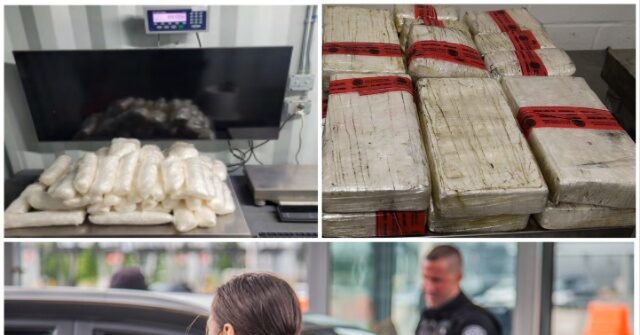

According to Breitbart News, the seizures occurred at the Hidalgo and Pharr international bridges near the Mexico border, where enhanced screening protocols and canine units detected hidden narcotics in passenger vehicles attempting entry from Reynosa, Mexico.
First Major Seizure at Hidalgo Bridge
On Sunday, CBP officers at the Hidalgo International Bridge cargo facility flagged a Honda sedan for secondary inspection after initial screening raised suspicion. Officers deployed nonintrusive imaging technology and a narcotics detection canine team, which alerted to the presence of drugs. The subsequent physical examination yielded 25 hidden packages of cocaine weighing 57.32 pounds total.
Second Seizure Days Later at Pharr
Just two days later, CBP officers at the nearby Pharr International Bridge detected anomalies in a Chrysler sedan using the same inspection protocols. The canine unit again signaled the presence of narcotics, leading officers to recover 14 packages containing approximately 40 pounds of cocaine from concealed compartments within the vehicle.
In both cases, CBP seized the vehicles and narcotics while Homeland Security Investigations agents arrested the drivers and launched criminal proceedings. Carlos Rodriguez, Port Director of the Hidalgo/Pharr and Anzalduas Ports of Entry, noted that “CBP officers continue to display their expertise in the use of our tools and technology to keep harmful narcotics from entering our country.”
Enforcement Shifts Force Cartel Strategy Changes
Intelligence sources tell Breitbart News that the Trump administration’s stricter enforcement policies between ports of entry have compelled drug trafficking organizations to concentrate smuggling attempts directly at the official crossing points rather than risk apprehension in remote border sectors. With reduced illegal crossings in unmonitored areas, Border Patrol agents now have greater capacity to saturate port facilities with enhanced inspections.
The cancellation of President Biden’s CBP-One smartphone application—which permitted approximately 1,400 migrants daily to process asylum claims through land ports—has freed significant CBP personnel from processing duties. The Trump administration eliminated the program immediately upon taking office, which had facilitated nearly one million migrant entries. The redeployment of these officers to cargo screening, canine inspections, and advanced imaging operations has substantially hardened the enforcement posture at critical crossing points.
Despite cartels’ apparent pivot toward ports of entry, the strategy faces significant headwinds given the intensified screening capabilities now in place. The combination of technological tools, animal detection units, and focused personnel allocation has proven effective in interdicting large-scale narcotics shipments.
With information from Breitbart News





