
Book on Women’s Restrooms Preaches Patriarchy Theory Even in the Loo
A German anthology about women's restrooms has been criticized for turning a lighthearted concept into ideological preaching about patriarchal oppression and misogynistic structures.
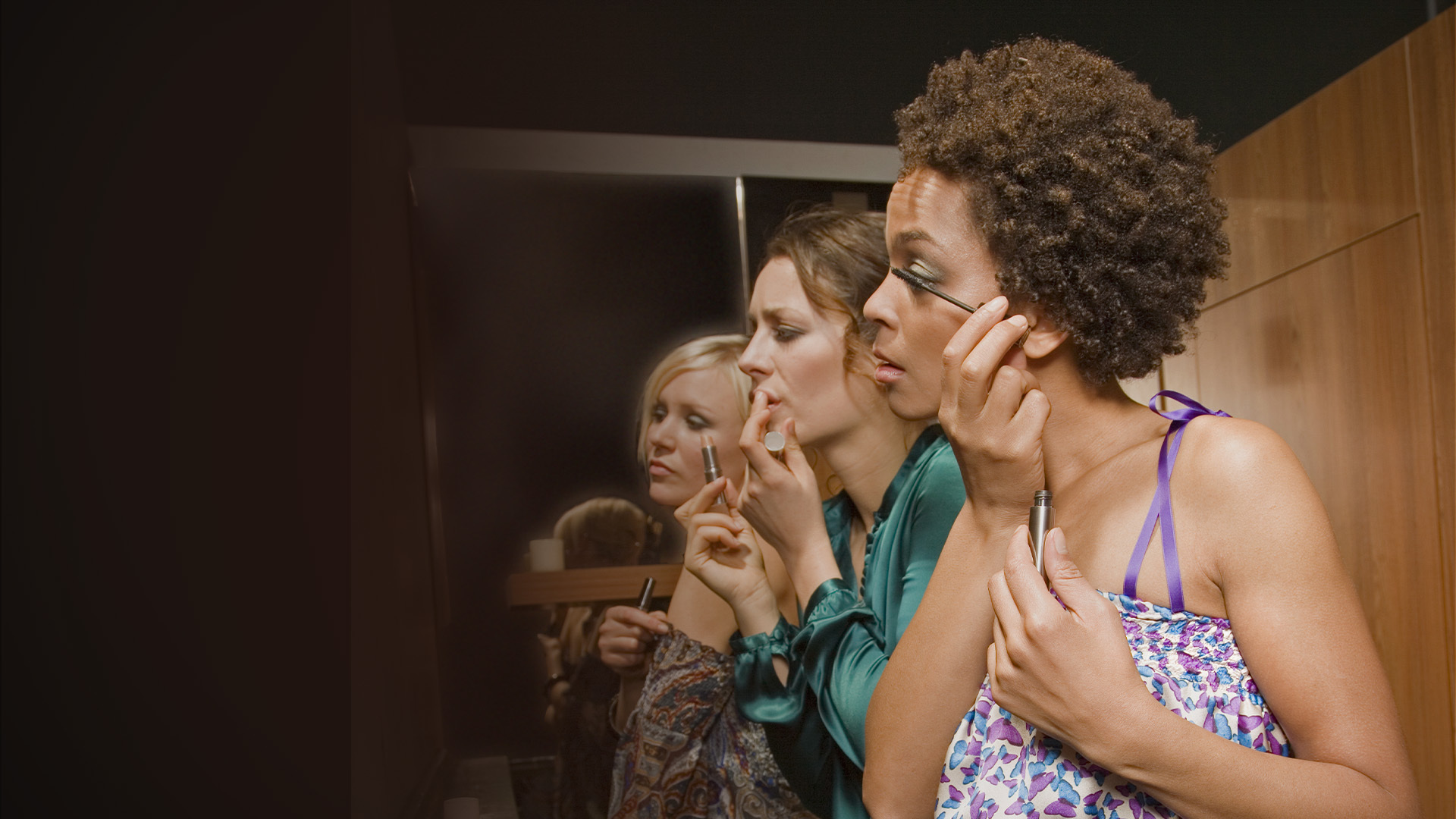

The book titled “Die Damentoilette” (The Ladies’ Room) is currently being promoted in women’s magazines and bookshops across Germany as a cheerful gift item, marketed as 22 love letters to the women’s restroom by various female authors. According to Melanie Grün writing in Nius, what begins as a potentially interesting concept quickly deteriorates into predictable woke lecturing.
At first glance, the premise holds promise. Most women have touched up lipstick, navigated heartbreak, or regrouped in these private spaces before facing the world again. But Grün warns that when such books receive prominent placement in mainstream bookstores these days, they typically function as printed amplifiers of progressive ideology rather than genuine entertainment.

The anthology’s political agenda becomes clear from the outset. The foreword asks whether the ladies’ room might be where everything is negotiated that patriarchal discourse is supposedly about. The restroom is reframed as a protective sanctuary, a place where strangers become accomplices in resistance.
The collection insists that women apply makeup solely for male approval, adjust their clothing to be sexually attractive to men, and wipe away tears caused by men. While this may contain fragments of truth, Grün observes, nearly every book published by established houses nowadays slides rapidly from entertainment into instruction.
Readers are informed that almost all public buildings were designed by men for men. One passage in the book declares that the ladies’ restroom is also an internal space, essential to remember in a world full of misogynistic structures and architectures. It claims that not being intimidated by the deliberate discomfort of women’s restrooms and other systems meant for but not made for women constitutes a form of resistance.

Grün questions whether this represents verbal incontinence or ideological nonsense, noting that most women simply wash their hands and check their makeup without contemplating supposedly woman-hating architects. Yet one contributor believes the mirrors in ladies’ rooms are not simple mirrors—that what blinks back is not women themselves but the patriarchy.
The anthology includes contributions not only from German writers but also authors from the United States and South Korea. It features female football fans and non-binary individuals uncertain where they should relieve themselves. When half the chapters address special cases, Grün argues, the book fails to reflect reality. If the simple fact that women like to visit restrooms together is deemed anti-feminist, many of the 22 contributors are simply wrong.
One chapter warns that groups of ladies define themselves not just by not being men, but by excluding others they believe don’t belong: trans women, overweight women, lesbians, non-binary people, poor women, and sometimes just women who don’t understand the dress code.
The book’s sudden relevance stems from a recent controversy involving Denis Scheck, a literature critic for German public broadcaster ARD. In his program Druckfrisch, Scheck dismissed bestselling books by Ildikó von Kürthy and Sophie Passmann as reports from the chatter zone of a ladies’ room at a wedding. While the broadside was unfair, it generated significant publicity for all involved.
The real disappointment, Grün concludes, is that this book refuses to see the ladies’ restroom for what it actually is: a closed space for bodily needs, nothing more and nothing less. She expresses hope that nonfiction works might one day offer diverse perspectives rather than endlessly recycling progressive worldviews.
With information from Nius





