
Berlin Cinema Commemorates “German Guilt” with “Free Pelmeni and Vodka”
A Berlin taxpayer-funded cinema is screening Soviet propaganda films to mark Nazi Germany's 1941 invasion while omitting the USSR's role in starting World War II through the 1939 Hitler-Stalin Pact.


The Babylon cinema is marking June 22, the anniversary of Operation Barbarossa in 1941, with screenings of Soviet and East German propaganda films this weekend, according to Nius. The program includes the phrase “In remembrance of German guilt! Free: Pelmeni and Vodka” in promotional materials.
The film selection includes well-known works such as “Come and See” and the East German classic “I Was Nineteen,” alongside the Soviet romance “The Cranes Are Flying.” While some of these films possess artistic merit, several represent straightforward propaganda from totalitarian socialist regimes that present a one-sided assignment of blame.
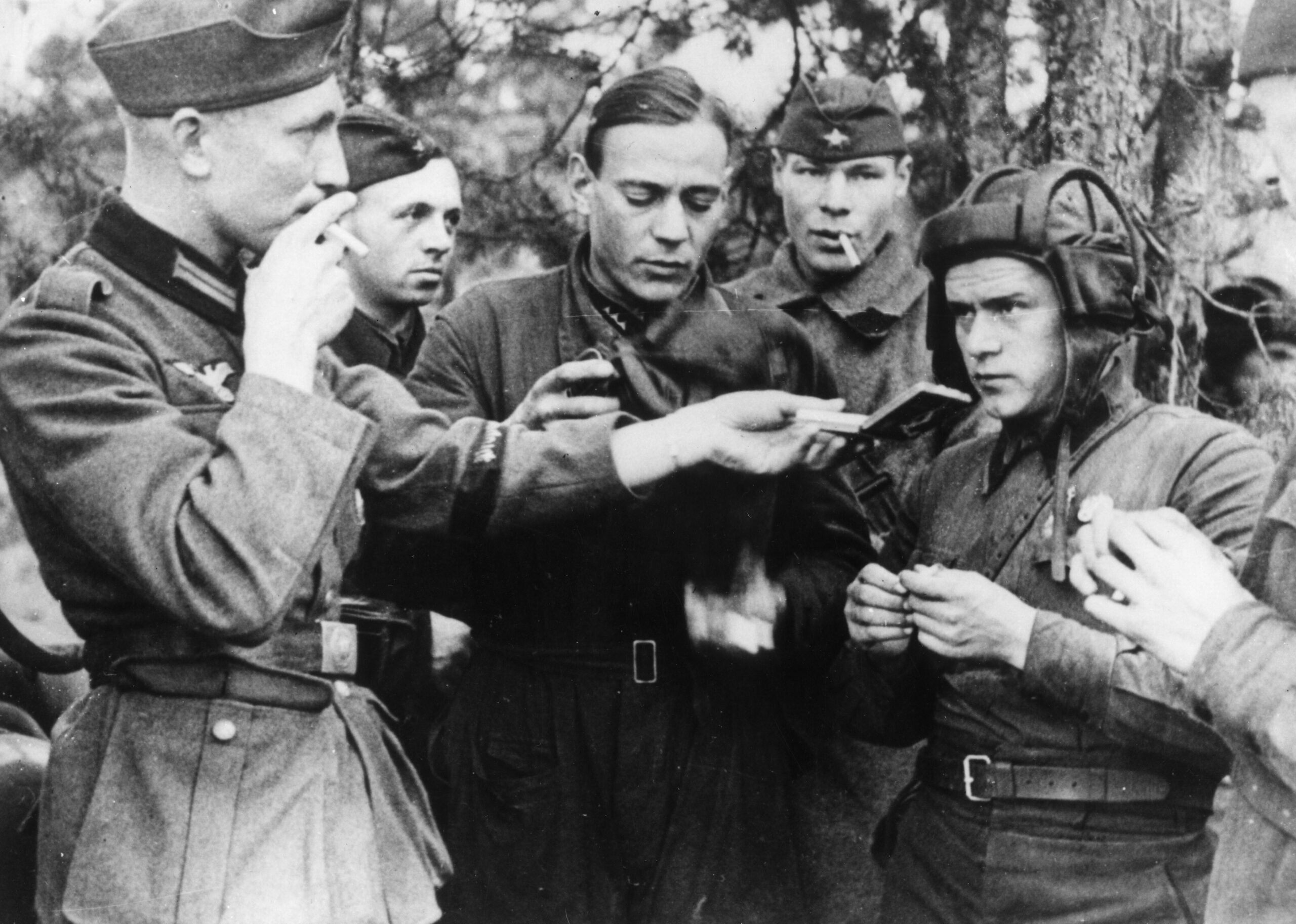
The central problem with the cinema’s framing, as Nius reports, is that it adopts the Kremlin narrative that World War II began in 1941 with the German attack on the Soviet Union. This conveniently erases the fact that the Soviet Union was itself complicit in starting the war through the Hitler-Stalin Pact of 1939 and the subsequent joint invasion and partition of Poland.
Without the coordinated Nazi-Soviet assault on Poland that literally erased that nation from the map in 1939, and the resulting German-Soviet border, the 1941 invasion of the USSR would not have been possible in the form it took. The Soviet Union was not merely a victim but an active participant in the dismemberment of Poland and the outbreak of the Second World War.
When Nius asked the Babylon cinema whether Soviet participation in triggering World War II would be addressed in the film program, the cinema left the question unanswered. The outlet also inquired whether films produced under the totalitarian regimes of East Germany and the USSR would be properly contextualized for viewers, or whether audiences would be left alone with these political works without critical framing. Those questions too went unanswered.

The Soviet-friendly interpretation of history often refers not to “World War II,” which began in 1939, but to the “Great Patriotic War,” starting the clock in 1941. This narrative was created in the Soviet Union to deflect attention from prior cooperation with the Nazis, both political and military. The Russian Federation inherited not only communist-trained officials in key positions after the USSR’s collapse, but also this convenient narrative.
Being only a victim is easier than confronting one’s own historical crimes. The Babylon’s film series, titled “85 Years Since the German Invasion,” appears to service this Kremlin narrative of an innocent Soviet Union, at least unconsciously.
The cinema’s newsletter promotes the screening of “The Cranes Are Flying” with the addendum that afterward there will be a commemoration “of German guilt” with complimentary pelmeni and vodka. The presentation suggests the cinema sees responsibility for World War II’s barbarism resting solely with the Third Reich, while the Soviet Union washes its hands of culpability. Nius asked whether the cinema believes in collective or hereditary German guilt, but received no response.

Whether this stereotypical ethnic meal will be paid for by taxpayers remained unanswered as well. What is certain is that the Babylon cinema has received at least 2.8 million euros in public funding from the city of Berlin since 2020, according to the city’s grant database.
While civil society groups and left-wing politicians claim to see “ordinary fascism” everywhere and warn constantly of a new 1933, the propagation of narratives from a regime that claimed more victims than any other system of the twentieth century apparently causes no scandal. Soviet complicity in the most terrible war of the modern era can evidently be more easily ignored when dumplings warm the stomach and a well-filled glass of vodka does its part to help memory fall asleep.
The fact that the Soviet Union suffered more casualties in World War II than any other nation—historians estimate approximately 27 million deaths—does not relativize its co-responsibility for the war’s outbreak through 1941. Nor does that co-responsibility diminish the suffering of the Soviet people. Both facts can be true simultaneously, but the Babylon cinema appears interested in acknowledging only one.
With information from Nius





