Necessary Cookies

Required for the site to function. Cannot be disabled.

Analytics Cookies

Help us understand how visitors interact with our site (Google Analytics via GTM).

Marketing Cookies

Used to track visitors and deliver personalised advertisements.

We use cookies to enhance your browsing experience and analyse site traffic. By clicking Accept All, you consent to our use of cookies. Privacy Policy
NewsFire Global
Home News Europe World Christianity Culture Wars Opinion Video
Information
About Us Authors Advertising Terms & Conditions Privacy Policy Contact
R2B Media
R2B NEWSFIRE.GR PAPAFOTIS.GR THRACTION HELLENIC CONSERVATIVES RIGHT2THEBONE YT
News Europe

Belgium Becomes New Launch Point for Migrant Crossings to Britain

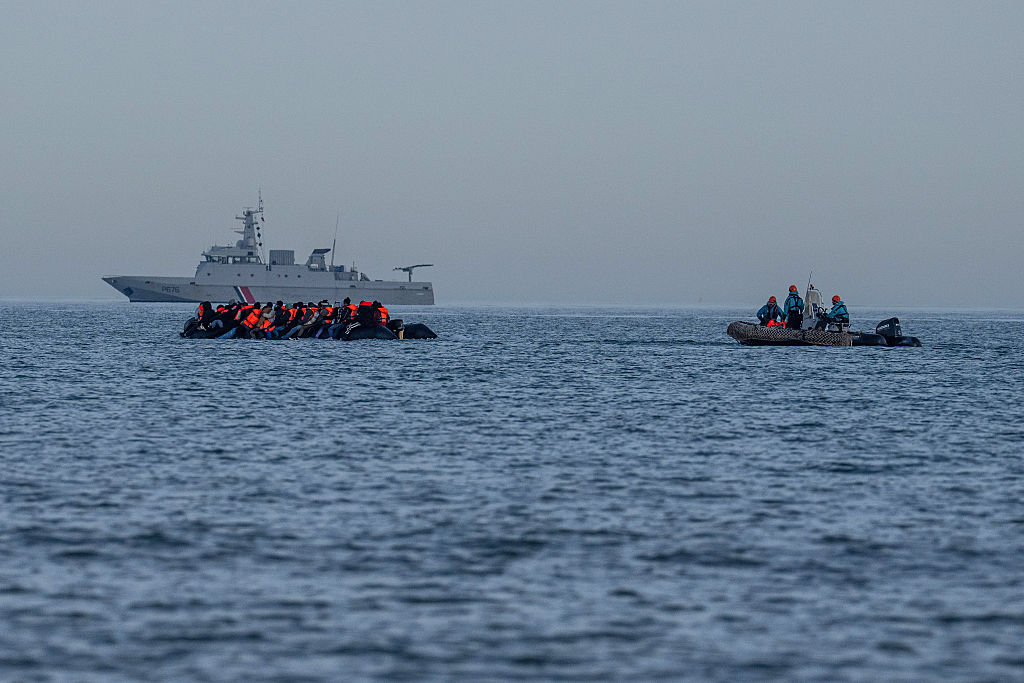
Belgium has become a new launching point for illegal Channel crossings to Britain, with over 400 people intercepted in early 2026 compared to zero the previous year as smugglers shift from France.

Dimitris Papafotis
Dimitris Papafotis Editor in Chief
JUNE 19, 2026 AT 7:45 AM

The shift represents a significant tactical change by people-smuggling networks, which are moving operations northward from the heavily patrolled French coastline, according to Brussels Signal. For nearly a decade, the crisis had been concentrated along the French coast between Calais and Dunkirk, but intensified enforcement there has now pushed smugglers to exploit Belgian territory.

European border agency Frontex has confirmed that the displacement is primarily driven by enhanced French coastal patrols. Belgium had previously served only as a staging area where boats were prepared before being transported to France for launch, but the country’s own beaches are now active departure points despite stronger offshore currents and significantly greater distances to England.

Jean-Marie Dedecker, mayor of the coastal town of Middelkerke, has attributed the change directly to tougher enforcement across the border. Local officials report that smuggling gangs now use “taxi boat” tactics, setting off from secluded Belgian beaches and hugging the coastline to collect additional passengers before attempting the crossing. Migrants reportedly pay around €2,000 ($2,300) per person, often with no guarantee they will actually board.

The Belgian route is considerably more dangerous than the established French crossing. The distance from the Belgian coast to Dover in southern England exceeds 100 kilometres, more than double the roughly 45-kilometre span from Calais. The extended time at sea in flimsy, overcrowded dinghies dramatically increases the risk of capsizing and death.

Belgian Migration Minister Anneleen Van Bossuyt acknowledged the problem, calling the numbers small but deeply concerning. Every boat that departs is one too many, she stated.

In response, the Belgian Government has deployed concrete barriers along the coast to prevent trailers carrying inflatable boats from reaching the dunes. Authorities have also increased patrols using night-vision and thermal imaging technology, backed by Frontex aerial surveillance. Britain has contributed £1.3 million (€1.5 million) to support Belgian efforts to halt the launches.

However, local leaders warn that enforcement measures alone will not solve the crisis. Carl Decaluwé, governor of West Flanders, has called for stricter controls along the French-Belgian border, noting that migrants are being transported by bus to the frontier before making their way to beaches including De Panne, Koksijde, and Nieuwpoort.

Despite the surge in Belgian departures, the numbers remain far smaller than those from France. Approximately 41,500 people crossed the Channel from French shores in 2025, with at least 29 deaths recorded at sea. A record 710 migrants arrived on British shores in a single day on June 15.

The emerging Belgian route has created a political headache for the right-wing government of Prime Minister Bart de Wever, which took office in 2025 with a pledge to implement Belgium’s strictest-ever migration policies. Ministers have expressed alarm that the Flemish coast could soon mirror the sprawling migrant encampments that have plagued northern France for years.

With information from Brussels Signal

Share:
Dimitris Papafotis
Dimitris Papafotis

Dimitris Papafotis is the editor-in-chief of NewsFire.GR. He was born and raised in Athens. He studied at the Journalism Workshop (1991-1993). He currently lives in Pyrgos, Ilia, where he has been active in radio and various newspapers, while also maintaining his personal blog, Papafotis.gr.

The shift represents a significant tactical change by people-smuggling networks, which are moving operations northward from the heavily patrolled French coastline, according to Brussels Signal. For nearly a decade, the crisis had been concentrated along the French coast between Calais and Dunkirk, but intensified enforcement there has now pushed smugglers to exploit Belgian territory.

European border agency Frontex has confirmed that the displacement is primarily driven by enhanced French coastal patrols. Belgium had previously served only as a staging area where boats were prepared before being transported to France for launch, but the country’s own beaches are now active departure points despite stronger offshore currents and significantly greater distances to England.

Jean-Marie Dedecker, mayor of the coastal town of Middelkerke, has attributed the change directly to tougher enforcement across the border. Local officials report that smuggling gangs now use “taxi boat” tactics, setting off from secluded Belgian beaches and hugging the coastline to collect additional passengers before attempting the crossing. Migrants reportedly pay around €2,000 ($2,300) per person, often with no guarantee they will actually board.

The Belgian route is considerably more dangerous than the established French crossing. The distance from the Belgian coast to Dover in southern England exceeds 100 kilometres, more than double the roughly 45-kilometre span from Calais. The extended time at sea in flimsy, overcrowded dinghies dramatically increases the risk of capsizing and death.

Belgian Migration Minister Anneleen Van Bossuyt acknowledged the problem, calling the numbers small but deeply concerning. Every boat that departs is one too many, she stated.

In response, the Belgian Government has deployed concrete barriers along the coast to prevent trailers carrying inflatable boats from reaching the dunes. Authorities have also increased patrols using night-vision and thermal imaging technology, backed by Frontex aerial surveillance. Britain has contributed £1.3 million (€1.5 million) to support Belgian efforts to halt the launches.

However, local leaders warn that enforcement measures alone will not solve the crisis. Carl Decaluwé, governor of West Flanders, has called for stricter controls along the French-Belgian border, noting that migrants are being transported by bus to the frontier before making their way to beaches including De Panne, Koksijde, and Nieuwpoort.

Despite the surge in Belgian departures, the numbers remain far smaller than those from France. Approximately 41,500 people crossed the Channel from French shores in 2025, with at least 29 deaths recorded at sea. A record 710 migrants arrived on British shores in a single day on June 15.

The emerging Belgian route has created a political headache for the right-wing government of Prime Minister Bart de Wever, which took office in 2025 with a pledge to implement Belgium’s strictest-ever migration policies. Ministers have expressed alarm that the Flemish coast could soon mirror the sprawling migrant encampments that have plagued northern France for years.

With information from Brussels Signal

