Necessary Cookies

Required for the site to function. Cannot be disabled.

Analytics Cookies

Help us understand how visitors interact with our site (Google Analytics via GTM).

Marketing Cookies

Used to track visitors and deliver personalised advertisements.

We use cookies to enhance your browsing experience and analyse site traffic. By clicking Accept All, you consent to our use of cookies. Privacy Policy
NewsFire Global
Home News Europe World Christianity Culture Wars Opinion Video
Information
About Us Authors Advertising Terms & Conditions Privacy Policy Contact
R2B Media
R2B NEWSFIRE.GR PAPAFOTIS.GR THRACTION HELLENIC CONSERVATIVES RIGHT2THEBONE YT
News World

Becerra Must Answer What He Knew About Corruption Scandal

California gubernatorial candidate Xavier Becerra faces renewed scrutiny after his closest aide pleaded guilty to felony fraud in a $225,000 campaign fund theft scheme, with his opponent demanding a federal investigation.
Stefanos Banos
Stefanos Banos Staff Writer
AUGUST 31, 2026 AT 10:35 AM

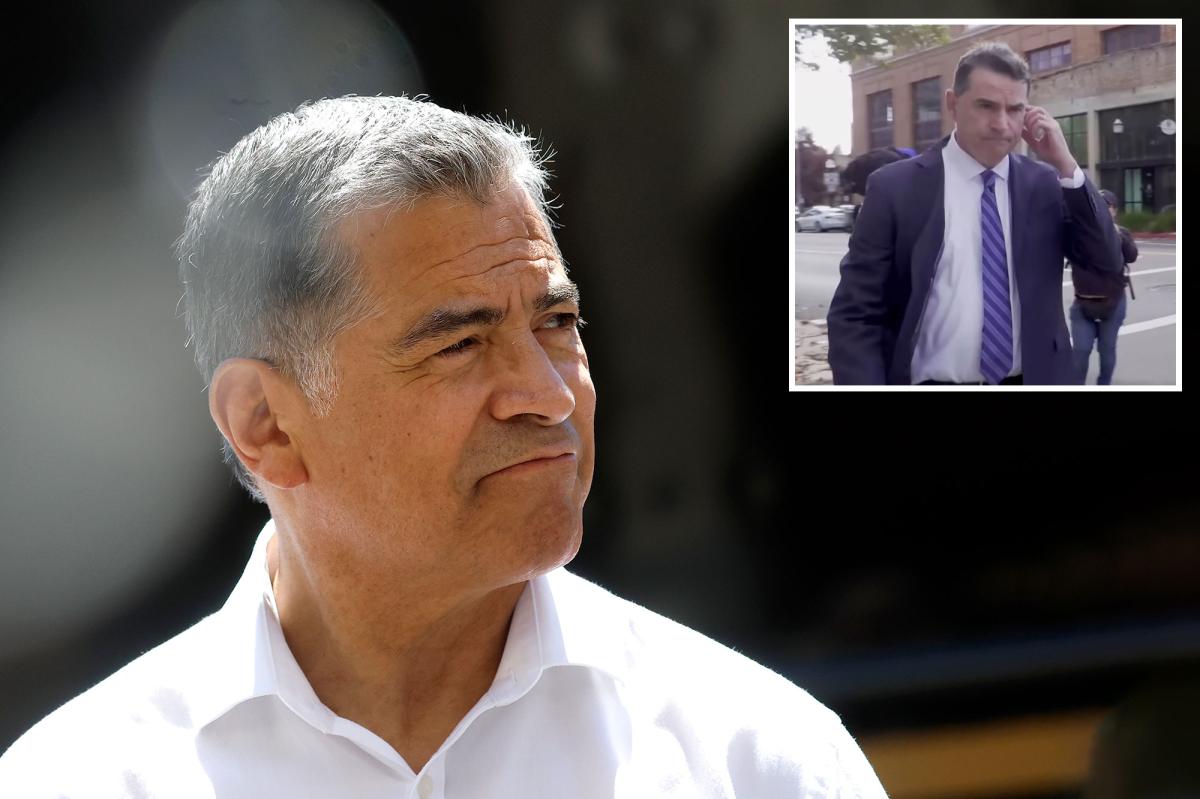
According to Bruce Bialosky writing in New York Post, the scandal has resurfaced as Steve Hilton, Becerra’s opponent in the California governor’s race, formally requested the U.S. Attorney General review Becerra’s potential involvement in the ongoing corruption case.

The scheme originated when President Joe Biden appointed Becerra as Secretary of Health and Human Services. Becerra wanted his longtime chief of staff and closest aide, Sean McCluskie, to relocate to Washington, D.C. to continue serving him in the new role.

The obstacle was straightforward: McCluskie demanded a salary higher than federal pay scales would allow. To solve this problem, staffers allegedly devised a plan to funnel $225,000 from Becerra’s former state campaign account to McCluskie through intermediaries.

Elaborate Payment Scheme Unraveled

The arrangement remained hidden until federal investigators began examining financial flows at Governor Gavin Newsom‘s wife’s nonprofit organization. That inquiry exposed a web of questionable payments allegedly made to a consulting firm operated by Newsom’s former chief of staff, Dana Williamson, which then directed funds to McCluskie’s wife for supposed consulting services.

McCluskie, Williamson, and Sacramento lobbyist Greg Campbell were all indicted on federal charges. All three have since entered guilty pleas to felony counts. McCluskie specifically pleaded guilty to conspiracy to commit bank and wire fraud, a charge carrying a maximum sentence of 30 years in federal prison. He awaits sentencing.

Biden Justice Department Shielded Becerra

Remarkably, the Biden-era Department of Justice categorized Becerra as a victim rather than a participant in the conspiracy. Federal prosecutors maintained the scheme was executed without Becerra’s awareness and that he would have blocked the payments had he known about them.

Becerra publicly stated the criminal charges hit him like a gut punch, Bialosky notes in his analysis.

Republicans find this narrative implausible. While the Biden administration made numerous questionable decisions, the notion that Becerra remained completely oblivious to his chief of staff’s sudden financial solvency and the movement of such substantial sums from his own campaign account strains credibility.

Impossible Political Dilemma

Becerra now confronts an untenable position as he campaigns for California’s highest office. He must convince voters of one of two unflattering scenarios: either complete ignorance of his top aide’s criminal activities, or gross incompetence in managing his most important employee.

To date, Becerra has selected the ignorance defense, claiming he had no knowledge his chief of staff orchestrated the fraud scheme and simply assumed McCluskie had resolved his compensation concerns through legitimate means.

The alternative incompetence argument would be equally damaging for someone seeking to lead the second-largest governmental entity in the United States. Becerra would essentially need to admit he failed to properly supervise his closest staffer in his previous position, then ask voters to promote him to an even more consequential role based on that record.

No private sector organization would accept such reasoning from a candidate for executive leadership, Bialosky observes.

Media Silence Enables Democratic Frontrunner

California’s press corps has largely avoided pressing Becerra on the scandal. While some Democratic primary opponents raised the corruption issue in the campaign’s final stages, the timing proved too late to affect outcomes. Becerra was the party establishment’s preferred candidate and secured the nomination despite the cloud of criminal activity surrounding his former staff.

Democrats are now committed to a candidate facing serious questions about either his honesty or his competence, Bialosky argues. Before Becerra potentially coasts to victory in the general election, voters deserve answers.

The Department of Justice should conduct a fresh interview with Becerra to establish the truth. California’s electorate needs to determine whether their prospective governor is ignorant, incompetent, or as Bialosky suggests, possibly lying about his knowledge of the fraud scheme.

The stakes are too high for voters to cast their ballots without knowing which scenario reflects reality.

With information from New York Post
Share:
Stefanos Banos
Stefanos Banos

Stefanos Banos was born in Piraeus and is an editor at NewsFire.GR, specializing in political analysis and international relations. He graduated from the Department of Communication and Media at the University of Bremen in Germany, where he also completed his Master of Arts in Communication and Media Studies. Married to Zoi, he is a proud father of three boys.

According to Bruce Bialosky writing in New York Post, the scandal has resurfaced as Steve Hilton, Becerra’s opponent in the California governor’s race, formally requested the U.S. Attorney General review Becerra’s potential involvement in the ongoing corruption case.

The scheme originated when President Joe Biden appointed Becerra as Secretary of Health and Human Services. Becerra wanted his longtime chief of staff and closest aide, Sean McCluskie, to relocate to Washington, D.C. to continue serving him in the new role.

The obstacle was straightforward: McCluskie demanded a salary higher than federal pay scales would allow. To solve this problem, staffers allegedly devised a plan to funnel $225,000 from Becerra’s former state campaign account to McCluskie through intermediaries.

Elaborate Payment Scheme Unraveled

The arrangement remained hidden until federal investigators began examining financial flows at Governor Gavin Newsom‘s wife’s nonprofit organization. That inquiry exposed a web of questionable payments allegedly made to a consulting firm operated by Newsom’s former chief of staff, Dana Williamson, which then directed funds to McCluskie’s wife for supposed consulting services.

McCluskie, Williamson, and Sacramento lobbyist Greg Campbell were all indicted on federal charges. All three have since entered guilty pleas to felony counts. McCluskie specifically pleaded guilty to conspiracy to commit bank and wire fraud, a charge carrying a maximum sentence of 30 years in federal prison. He awaits sentencing.

Biden Justice Department Shielded Becerra

Remarkably, the Biden-era Department of Justice categorized Becerra as a victim rather than a participant in the conspiracy. Federal prosecutors maintained the scheme was executed without Becerra’s awareness and that he would have blocked the payments had he known about them.

Becerra publicly stated the criminal charges hit him like a gut punch, Bialosky notes in his analysis.

Republicans find this narrative implausible. While the Biden administration made numerous questionable decisions, the notion that Becerra remained completely oblivious to his chief of staff’s sudden financial solvency and the movement of such substantial sums from his own campaign account strains credibility.

Impossible Political Dilemma

Becerra now confronts an untenable position as he campaigns for California’s highest office. He must convince voters of one of two unflattering scenarios: either complete ignorance of his top aide’s criminal activities, or gross incompetence in managing his most important employee.

To date, Becerra has selected the ignorance defense, claiming he had no knowledge his chief of staff orchestrated the fraud scheme and simply assumed McCluskie had resolved his compensation concerns through legitimate means.

The alternative incompetence argument would be equally damaging for someone seeking to lead the second-largest governmental entity in the United States. Becerra would essentially need to admit he failed to properly supervise his closest staffer in his previous position, then ask voters to promote him to an even more consequential role based on that record.

No private sector organization would accept such reasoning from a candidate for executive leadership, Bialosky observes.

Media Silence Enables Democratic Frontrunner

California’s press corps has largely avoided pressing Becerra on the scandal. While some Democratic primary opponents raised the corruption issue in the campaign’s final stages, the timing proved too late to affect outcomes. Becerra was the party establishment’s preferred candidate and secured the nomination despite the cloud of criminal activity surrounding his former staff.

Democrats are now committed to a candidate facing serious questions about either his honesty or his competence, Bialosky argues. Before Becerra potentially coasts to victory in the general election, voters deserve answers.

The Department of Justice should conduct a fresh interview with Becerra to establish the truth. California’s electorate needs to determine whether their prospective governor is ignorant, incompetent, or as Bialosky suggests, possibly lying about his knowledge of the fraud scheme.

The stakes are too high for voters to cast their ballots without knowing which scenario reflects reality.

With information from New York Post