Necessary Cookies

Required for the site to function. Cannot be disabled.

Analytics Cookies

Help us understand how visitors interact with our site (Google Analytics via GTM).

Marketing Cookies

Used to track visitors and deliver personalised advertisements.

We use cookies to enhance your browsing experience and analyse site traffic. By clicking Accept All, you consent to our use of cookies. Privacy Policy
NewsFire Global
Home News Europe World Christianity Culture Wars Opinion Video
Information
About Us Authors Advertising Terms & Conditions Privacy Policy Contact
R2B Media
R2B NEWSFIRE.GR PAPAFOTIS.GR THRACTION HELLENIC CONSERVATIVES RIGHT2THEBONE YT
News Europe

Armenian Minister Calls for Immigration, End to Mono-Ethnic Mindset

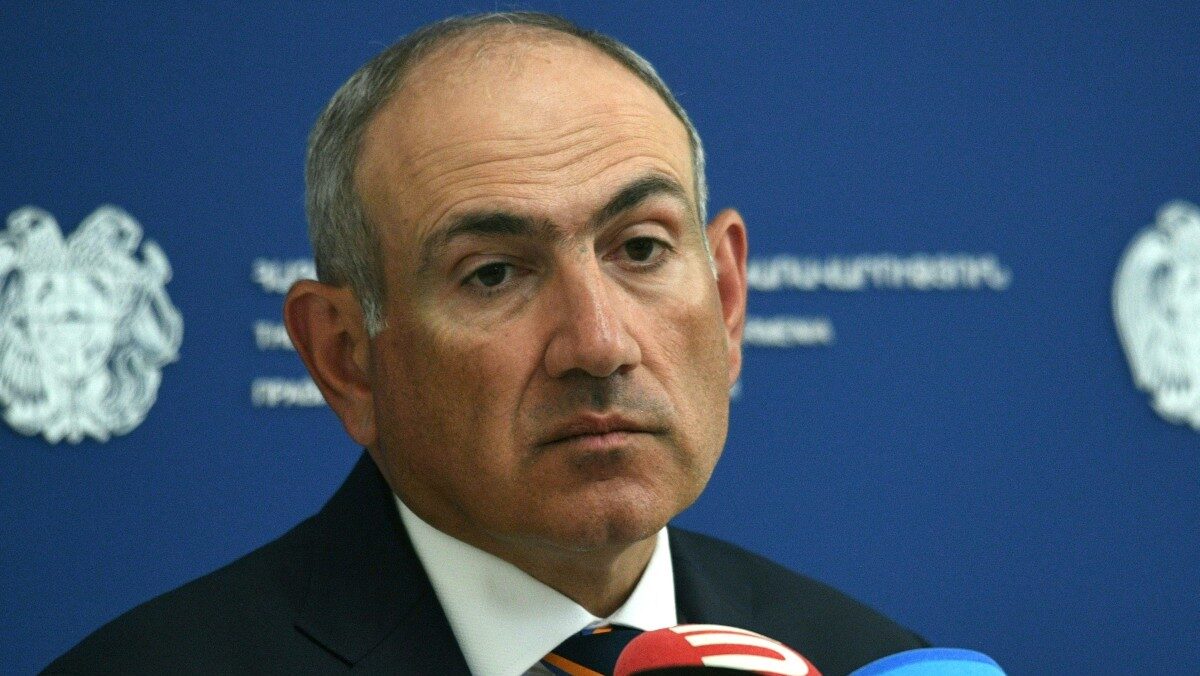
Armenia's government is advocating for large-scale immigration to change the country's ethnic composition, breaking from its traditional identity as a homogeneous nation.

Dimitris Papafotis
Dimitris Papafotis Editor in Chief
MAY 28, 2026 AT 10:35 PM

The nation of barely three million people, where Armenians comprise 97 to 98 percent of the population, has long defined itself by ethnic cohesion in the wake of the Ottoman genocide, Soviet collapse, and ongoing territorial conflict over Nagorno-Karabakh.

Yet figures close to Prime Minister Nikol Pashinyan are now openly advocating for the country to abandon what they describe as a mono-ethnic model and pursue large-scale immigration.

A member of parliament aligned with Pashinyan stated that Armenia must organize immigration on a significant scale, involving tens of thousands of people, even if such a policy contradicts traditional national ideas. The official emphasized that changing the country’s ethnic composition is essential for survival in the region.

The statement represents a sharp break from Armenia’s political and cultural identity, which has been built around national survival as a cohesive ethnic group in a geographically challenging and often hostile neighborhood.

Demographic Reality and Strategic Vulnerability

Armenia faces real demographic pressures. Decades of emigration, compounded by losses in the 2020 Nagorno-Karabakh war and ongoing territorial disputes with Azerbaijan, have left the country vulnerable both militarily and economically.

The rhetoric from Pashinyan’s circle suggests a willingness to redefine the nation not along ethnic or historical lines, but through population growth driven by foreign immigration.

Critics fear this signals an erosion of Armenian national identity, particularly at a moment when the country is already grappling with territorial concessions and diminished leverage against larger neighbors.

A Policy Shift Without Public Mandate

No formal immigration policy has been announced, but the public statements from lawmakers close to the prime minister indicate a clear ideological direction.

The proposal to dismantle Armenia’s mono-ethnic character has triggered concern among Armenians who view ethnic continuity as central to the nation’s survival, especially given the historical trauma of the 1915 genocide and ongoing threats from Turkey and Azerbaijan.

Pashinyan’s government has already faced intense criticism for its handling of the Nagorno-Karabakh crisis and perceived willingness to compromise on territorial and national security issues.

The emergence of this demographic rhetoric adds another layer to a broader debate about whether the current leadership is prepared to preserve Armenia’s historical identity or reshape it entirely in the name of pragmatism.

With information from The European Conservative

Share:
Dimitris Papafotis
Dimitris Papafotis

Dimitris Papafotis is the editor-in-chief of NewsFire.GR. He was born and raised in Athens. He studied at the Journalism Workshop (1991-1993). He currently lives in Pyrgos, Ilia, where he has been active in radio and various newspapers, while also maintaining his personal blog, Papafotis.gr.

The nation of barely three million people, where Armenians comprise 97 to 98 percent of the population, has long defined itself by ethnic cohesion in the wake of the Ottoman genocide, Soviet collapse, and ongoing territorial conflict over Nagorno-Karabakh.

Yet figures close to Prime Minister Nikol Pashinyan are now openly advocating for the country to abandon what they describe as a mono-ethnic model and pursue large-scale immigration.

A member of parliament aligned with Pashinyan stated that Armenia must organize immigration on a significant scale, involving tens of thousands of people, even if such a policy contradicts traditional national ideas. The official emphasized that changing the country’s ethnic composition is essential for survival in the region.

The statement represents a sharp break from Armenia’s political and cultural identity, which has been built around national survival as a cohesive ethnic group in a geographically challenging and often hostile neighborhood.

Demographic Reality and Strategic Vulnerability

Armenia faces real demographic pressures. Decades of emigration, compounded by losses in the 2020 Nagorno-Karabakh war and ongoing territorial disputes with Azerbaijan, have left the country vulnerable both militarily and economically.

The rhetoric from Pashinyan’s circle suggests a willingness to redefine the nation not along ethnic or historical lines, but through population growth driven by foreign immigration.

Critics fear this signals an erosion of Armenian national identity, particularly at a moment when the country is already grappling with territorial concessions and diminished leverage against larger neighbors.

A Policy Shift Without Public Mandate

No formal immigration policy has been announced, but the public statements from lawmakers close to the prime minister indicate a clear ideological direction.

The proposal to dismantle Armenia’s mono-ethnic character has triggered concern among Armenians who view ethnic continuity as central to the nation’s survival, especially given the historical trauma of the 1915 genocide and ongoing threats from Turkey and Azerbaijan.

Pashinyan’s government has already faced intense criticism for its handling of the Nagorno-Karabakh crisis and perceived willingness to compromise on territorial and national security issues.

The emergence of this demographic rhetoric adds another layer to a broader debate about whether the current leadership is prepared to preserve Armenia’s historical identity or reshape it entirely in the name of pragmatism.

With information from The European Conservative