Necessary Cookies

Required for the site to function. Cannot be disabled.

Analytics Cookies

Help us understand how visitors interact with our site (Google Analytics via GTM).

Marketing Cookies

Used to track visitors and deliver personalised advertisements.

We use cookies to enhance your browsing experience and analyse site traffic. By clicking Accept All, you consent to our use of cookies. Privacy Policy
NewsFire Global
Home News Europe World Christianity Culture Wars Opinion Video
Information
About Us Authors Advertising Terms & Conditions Privacy Policy Contact
R2B Media
R2B NEWSFIRE.GR PAPAFOTIS.GR THRACTION HELLENIC CONSERVATIVES RIGHT2THEBONE YT
News Culture Wars

Media Regulators Had 4,000 Posts Deleted in 2025

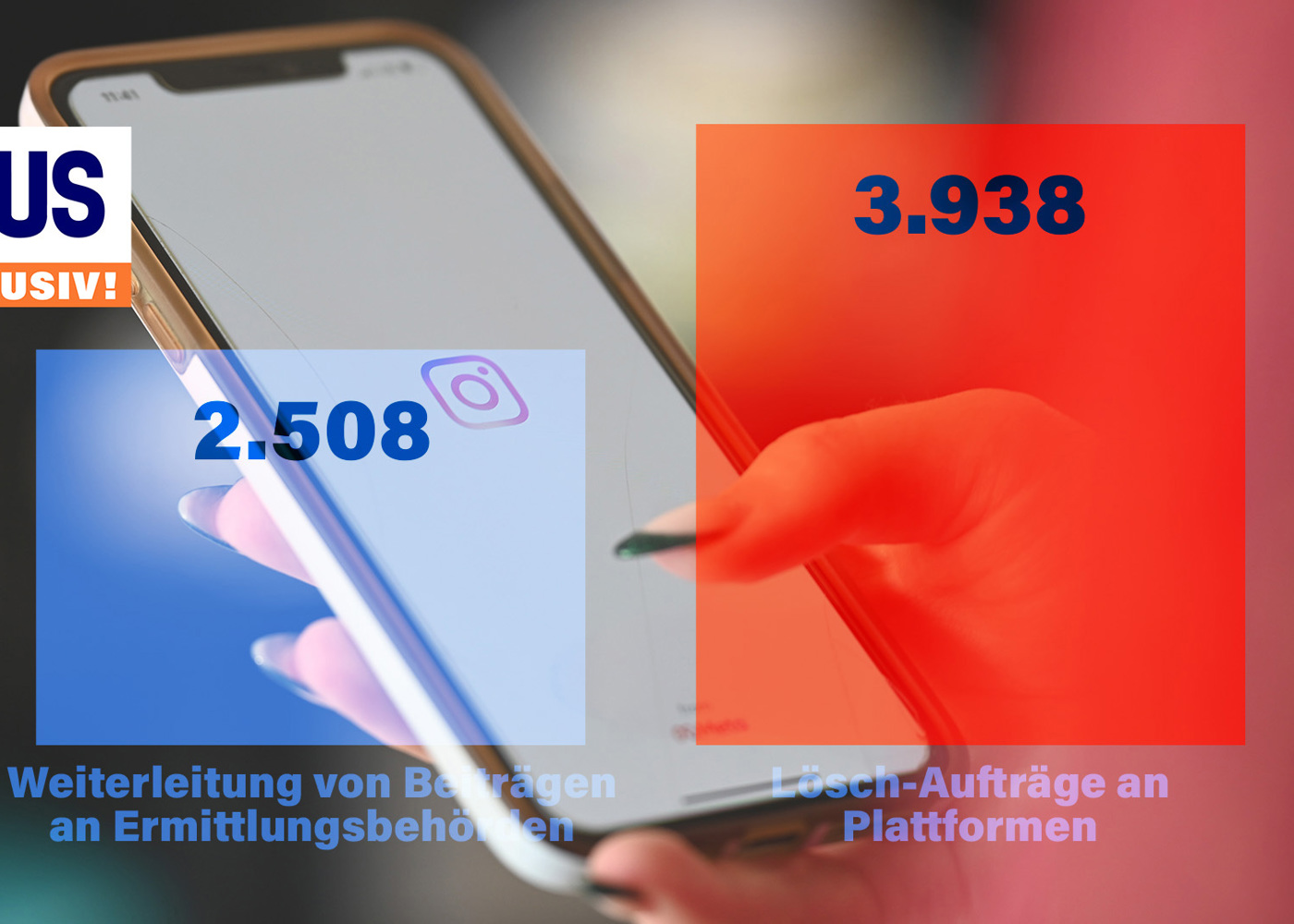
German state media regulators referred 2,500 social media posts to criminal authorities and demanded nearly 4,000 platform deletions in 2025, drawing criticism over free speech concerns.
Stefanos Banos
Stefanos Banos Staff Writer
JUNE 30, 2026 AT 10:35 AM

The regulatory bodies, known as Landesmedienanstalten, were originally tasked with enforcing youth protection standards. However, they have expanded their operations in recent years to scan the internet using artificial intelligence, routinely flagging content they deem criminal. Critics argue these agencies are functioning as investigative authorities without holding the proper mandate to do so.
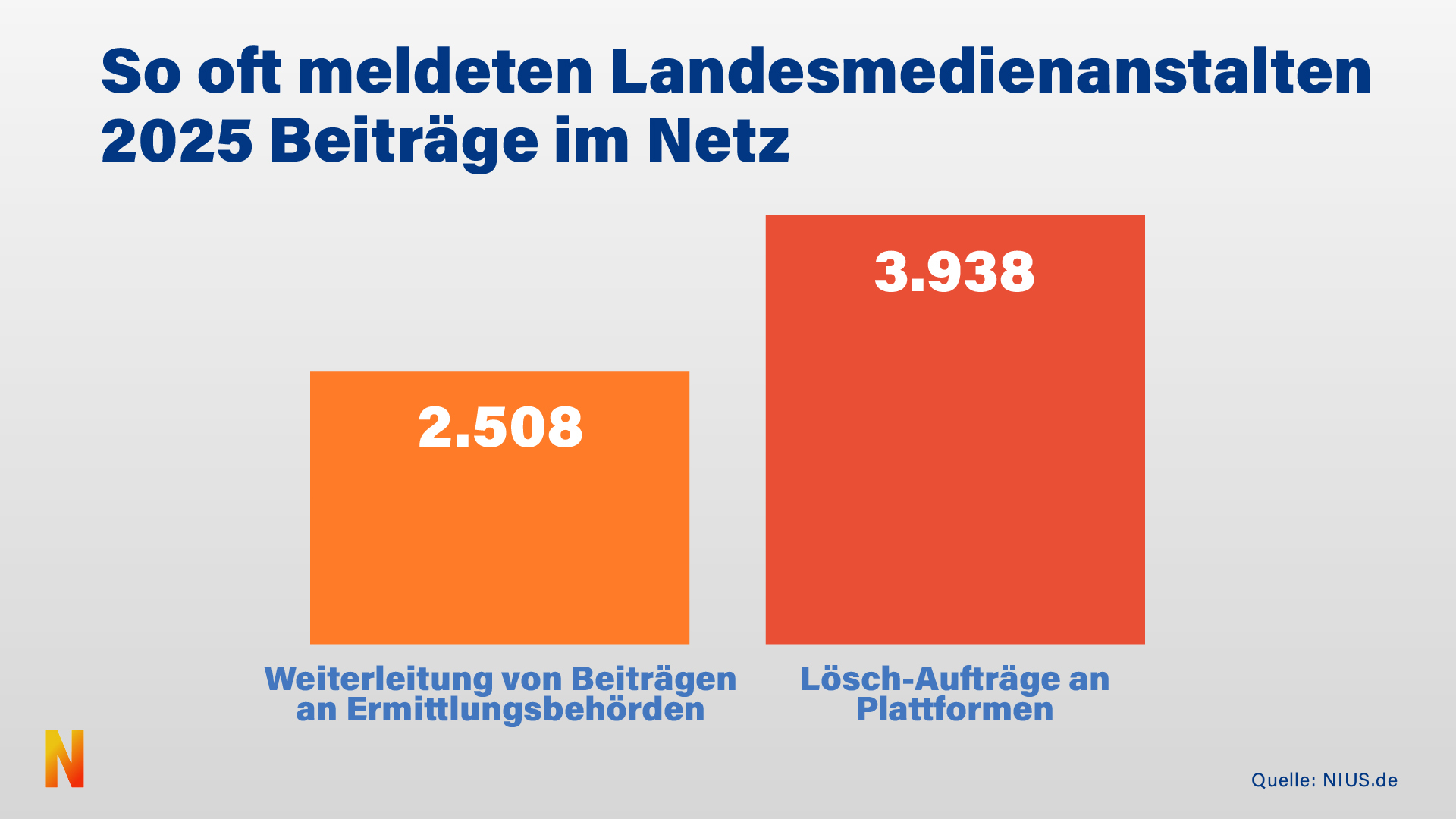
Photo: nius.de

Bavaria and North Rhine-Westphalia recorded the highest intervention rates. North Rhine-Westphalia pressed platforms to remove content in 1,308 cases last year, while Bavaria did so 1,663 times. The North Rhine-Westphalia media authority forwarded 809 posts to criminal prosecutors. Bavaria’s media center reported 51 posts to the Bavarian Central Office for Combating Extremism and Terrorism and another 60 to the Central Reporting Office for Criminal Online Content.

Reports commonly involve alleged incitement of hatred, use of symbols from unconstitutional organizations, or insults against politicians under Section 188 of the German criminal code.

State Regulators Target Popular Podcast

The role of state media authorities has drawn mounting criticism as they acquire powers that opponents characterize as attacks on free speech. The latest controversy centers on podcaster Ben Berndt, who operates the interview podcast Ben Ungeskripted on YouTube.

After an interview with Thuringia AfD leader Björn Höcke garnered over 6 million views, the North Rhine-Westphalia media authority contacted Berndt demanding retroactive edits to the episode. Officials objected to a claim Höcke made regarding his criminal trial over his use of the phrase “Alles für Deutschland,” a slogan historically associated with the SA. Höcke stated during the interview that the SA had no official motto, which the regulator said contradicted established academic findings.
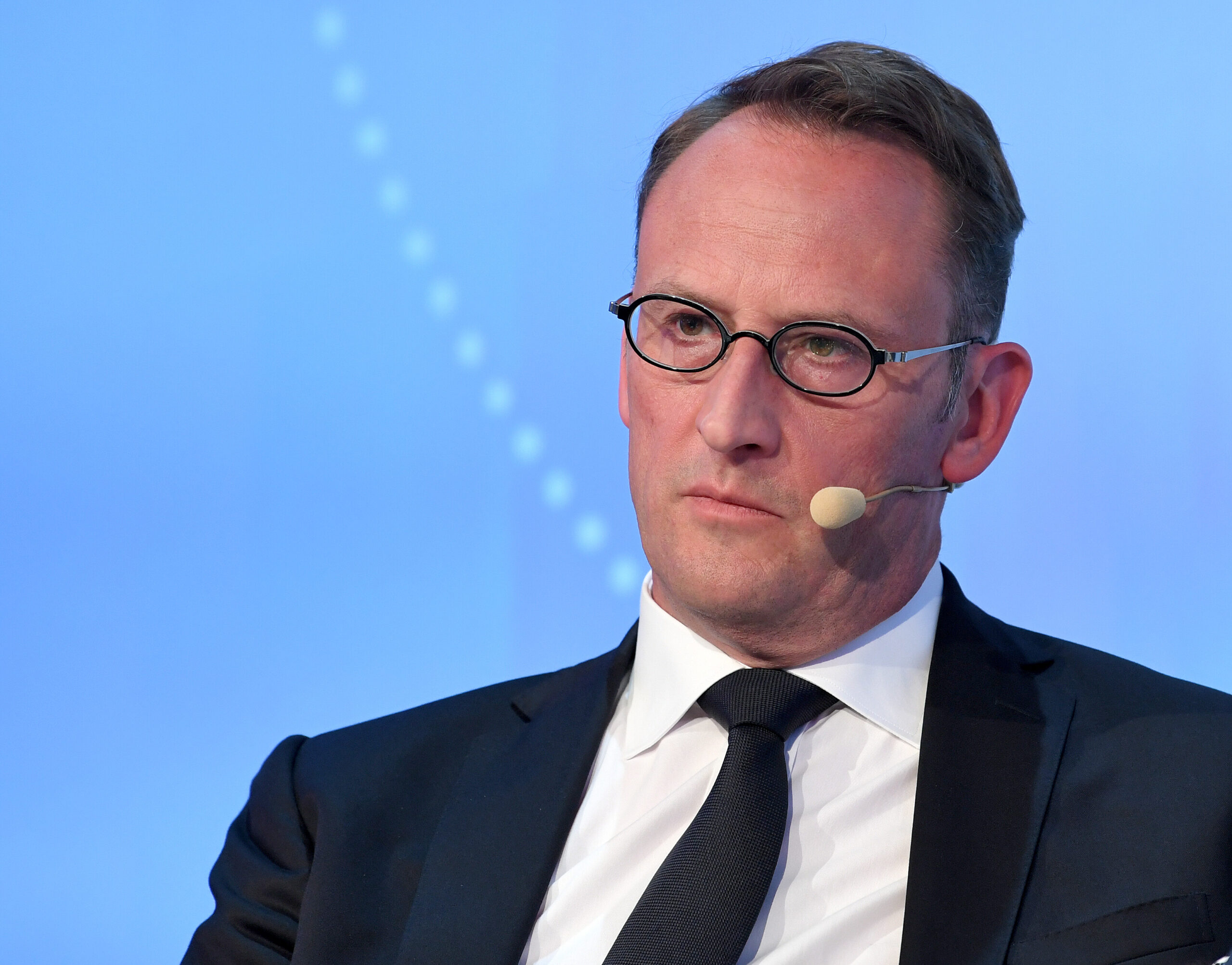
Tobias Schmid, Chef der Landesanstalt für Medien NRW.
Photo: nius.de

In a letter obtained by Nius, the authority wrote that journalistic diligence required Berndt to either challenge the statement during the interview or conduct follow-up research and provide context for viewers, possibly through an on-screen disclaimer.

Media Lawyer Fires Back at Overreach

Media attorney and bestselling author Joachim Steinhöfel, who represents Berndt, responded sharply to the demand. He accused the regulator of claiming evaluation and correction powers over political interviews that it does not constitutionally possess. The North Rhine-Westphalia media authority is not a state editing desk for media content, Steinhöfel wrote, adding that it has no authority to dictate which questions are asked in interviews, which statements should be interrupted, or what corrections a press provider must make.

Steinhöfel noted that state media authorities are closely tied to government structures. They draw most of their funding from the mandatory broadcasting fee, derive regulatory powers from the State Media Treaty, and have leadership appointed by politically staffed committees. He characterized them as instruments of the state wrapped in a legal structure that simulates independence.

Coalition Pushes Expansion of Censorship Powers

Despite concerns over regulatory overreach, the federal government plans to expand the powers of media authorities further. The coalition agreement references them in connection with a proposed ban on spreading falsehoods.

The text states that the deliberate dissemination of false factual claims is not protected by freedom of expression, and therefore state-independent media oversight must be able to act against information manipulation as well as hate and incitement, based on clear legal guidelines while safeguarding freedom of opinion.

Critics point out that these authorities are far from state-independent, as the government claims. Moreover, they would be empowered to act against expressions that do not meet any clear criminal threshold, such as the vague categories of hate and incitement.

With information from Nius

Share:
Stefanos Banos
Stefanos Banos

Stefanos Banos was born in Piraeus and is an editor at NewsFire.GR, specializing in political analysis and international relations. He graduated from the Department of Communication and Media at the University of Bremen in Germany, where he also completed his Master of Arts in Communication and Media Studies. Married to Zoi, he is a proud father of three boys.

The regulatory bodies, known as Landesmedienanstalten, were originally tasked with enforcing youth protection standards. However, they have expanded their operations in recent years to scan the internet using artificial intelligence, routinely flagging content they deem criminal. Critics argue these agencies are functioning as investigative authorities without holding the proper mandate to do so.

Photo: nius.de

Bavaria and North Rhine-Westphalia recorded the highest intervention rates. North Rhine-Westphalia pressed platforms to remove content in 1,308 cases last year, while Bavaria did so 1,663 times. The North Rhine-Westphalia media authority forwarded 809 posts to criminal prosecutors. Bavaria’s media center reported 51 posts to the Bavarian Central Office for Combating Extremism and Terrorism and another 60 to the Central Reporting Office for Criminal Online Content.

Reports commonly involve alleged incitement of hatred, use of symbols from unconstitutional organizations, or insults against politicians under Section 188 of the German criminal code.

State Regulators Target Popular Podcast

The role of state media authorities has drawn mounting criticism as they acquire powers that opponents characterize as attacks on free speech. The latest controversy centers on podcaster Ben Berndt, who operates the interview podcast Ben Ungeskripted on YouTube.

After an interview with Thuringia AfD leader Björn Höcke garnered over 6 million views, the North Rhine-Westphalia media authority contacted Berndt demanding retroactive edits to the episode. Officials objected to a claim Höcke made regarding his criminal trial over his use of the phrase “Alles für Deutschland,” a slogan historically associated with the SA. Höcke stated during the interview that the SA had no official motto, which the regulator said contradicted established academic findings.

Tobias Schmid, Chef der Landesanstalt für Medien NRW.
Photo: nius.de

In a letter obtained by Nius, the authority wrote that journalistic diligence required Berndt to either challenge the statement during the interview or conduct follow-up research and provide context for viewers, possibly through an on-screen disclaimer.

Media Lawyer Fires Back at Overreach

Media attorney and bestselling author Joachim Steinhöfel, who represents Berndt, responded sharply to the demand. He accused the regulator of claiming evaluation and correction powers over political interviews that it does not constitutionally possess. The North Rhine-Westphalia media authority is not a state editing desk for media content, Steinhöfel wrote, adding that it has no authority to dictate which questions are asked in interviews, which statements should be interrupted, or what corrections a press provider must make.

Steinhöfel noted that state media authorities are closely tied to government structures. They draw most of their funding from the mandatory broadcasting fee, derive regulatory powers from the State Media Treaty, and have leadership appointed by politically staffed committees. He characterized them as instruments of the state wrapped in a legal structure that simulates independence.

Coalition Pushes Expansion of Censorship Powers

Despite concerns over regulatory overreach, the federal government plans to expand the powers of media authorities further. The coalition agreement references them in connection with a proposed ban on spreading falsehoods.

The text states that the deliberate dissemination of false factual claims is not protected by freedom of expression, and therefore state-independent media oversight must be able to act against information manipulation as well as hate and incitement, based on clear legal guidelines while safeguarding freedom of opinion.

Critics point out that these authorities are far from state-independent, as the government claims. Moreover, they would be empowered to act against expressions that do not meet any clear criminal threshold, such as the vague categories of hate and incitement.

With information from Nius

