Necessary Cookies

Required for the site to function. Cannot be disabled.

Analytics Cookies

Help us understand how visitors interact with our site (Google Analytics via GTM).

Marketing Cookies

Used to track visitors and deliver personalised advertisements.

We use cookies to enhance your browsing experience and analyse site traffic. By clicking Accept All, you consent to our use of cookies. Privacy Policy
NewsFire Global
Home News Europe World Christianity Culture Wars Opinion Video
Information
About Us Authors Advertising Terms & Conditions Privacy Policy Contact
R2B Media
R2B NEWSFIRE.GR PAPAFOTIS.GR THRACTION HELLENIC CONSERVATIVES RIGHT2THEBONE YT
News Europe

What Future for Our Heritage?

France's Ministry of Culture reports nearly a quarter of the nation's historic monuments are in poor condition, with private heritage and rural areas most severely affected.

Dimitris Papafotis
Dimitris Papafotis Editor in Chief
JUNE 23, 2026 AT 8:55 PM

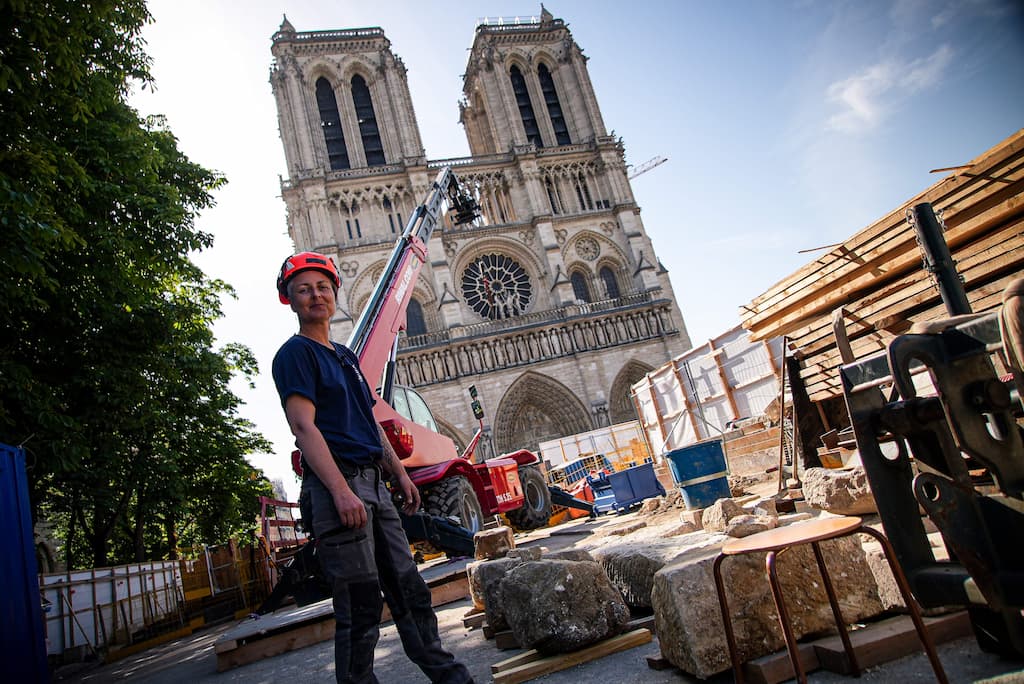
Despite high-profile successes such as the heritage lottery spearheaded by Stéphane Bern and the reconstruction of Notre-Dame de Paris, the broader picture is deeply troubling, as Valeurs Actuelles reports. Ministry figures for 2024 show that 23 percent of France’s historic monuments are in poor condition or endangered, while only 36 percent are in good condition. The remainder fall into an intermediate category of average condition.

These figures represent relative stability compared to 2019, when 24 percent were classified as poor or endangered, but this comes despite increased attention to heritage preservation in recent years. The problem is particularly acute in rural areas, where 62 percent of monuments classified as endangered or in poor condition are located.

Private Heritage Bears the Brunt

The deterioration affects private heritage most severely. Private owners hold approximately half of France’s 47,000 classified or registered monuments, and their condition is declining. Municipal heritage, which accounts for roughly 40 percent of these sites, has remained stable. The situation becomes even more concerning when considering vernacular heritage that falls outside classification systems and therefore cannot benefit from state funding. Of the 40,000 religious buildings in France, only 15,000 are classified or registered, highlighting the enormous scope of the challenge.

Beyond the inevitable wear of time, human actions compound the problem. Fires, vandalism, and theft targeting historic monuments, particularly religious heritage, are increasing at a worrying rate and causing irreparable losses. Enhanced security measures are urgently needed, including expanded video surveillance in coordination with municipalities, increased human presence, and firm criminal penalties for vandalism.

Budget Reality Falls Far Short

The Ministry of Culture dedicates approximately 1.15 billion euros annually to heritage in the broad sense, supplemented by roughly 300 million euros in tax exemptions. However, major institutions, particularly museums, and the renovation of large cultural establishments absorb the lion’s share of available funds. Heavy but necessary renovations of the Grand Palais and the Centre Pompidou each approach 500 million euros. The Louvre project alone is valued at one billion euros. While these institutions can draw on private sponsorship and their own resources, state investment remains substantial, even as numerous other major sites including Chambord and the Musée Guimet also require significant investment.

What remains for other heritage sites is minimal. The Centre des Monuments Nationaux, which manages 103 monuments, receives barely more than 20 million euros annually in renovation subsidies and less than 10 million for maintenance. Monuments not belonging to the state, representing 95 percent of the total, have received on average over the past decade approximately 20 million euros for maintenance and 145 million for restoration annually. These sums fall woefully short of actual needs, particularly as budget difficulties facing both the state and local authorities suggest the situation will worsen. Village mayors often find themselves powerless when confronted with renovation costs that quickly exceed one million euros, especially for religious buildings that are increasingly closed to the public.

Civil Society Steps In

Numerous institutions and associations play vital roles at both national and local levels. The Fondation du Patrimoine operates nationally, while countless volunteers work in cities and villages across France. French heritage already owes them an enormous debt. Yet the situation remains alarming. The question becomes whether France must stand by helplessly watching the degradation and disappearance of what constitutes the nation’s very identity.

Solutions must begin with education, according to Valeurs Actuelles. Young people need exposure in schools to heritage in general and their local heritage in particular. From such awareness springs respect and sometimes love. A national heritage service should be created, either in its previous form or newly redesigned, to contribute to site restoration and visitor services.

The state can support and facilitate the development of local associations that perform admirable work and whose activities could expand nationwide with relatively modest means. Examples include the Jeunes Ambassadeurs du Patrimoine association active in Meuse, which trains local young people in heritage knowledge so they can guide visitors, providing youth with valuable experience while making sites accessible to the public. Another example is the SOS Calvaires association, which restores religious monuments along country roads and rural pathways that are often neglected.

Heritage as Asset Rather Than Burden

France must recognize heritage as an economic and cultural asset rather than merely a financial burden. The tourism sector demonstrates this clearly, yet the thinking must extend beyond major monuments to encompass the entire national patrimony. Local heritage can drive economic development and strengthen community identity when properly maintained and promoted.

The demographic and budgetary realities facing France make decisive action urgent. Without a fundamental shift in approach and resources, future generations will inherit an impoverished cultural landscape where the physical embodiments of French identity have crumbled into memory.

With information from Valeurs Actuelles

Share:
Dimitris Papafotis
Dimitris Papafotis

Dimitris Papafotis is the editor-in-chief of NewsFire.GR. He was born and raised in Athens. He studied at the Journalism Workshop (1991-1993). He currently lives in Pyrgos, Ilia, where he has been active in radio and various newspapers, while also maintaining his personal blog, Papafotis.gr.

Despite high-profile successes such as the heritage lottery spearheaded by Stéphane Bern and the reconstruction of Notre-Dame de Paris, the broader picture is deeply troubling, as Valeurs Actuelles reports. Ministry figures for 2024 show that 23 percent of France’s historic monuments are in poor condition or endangered, while only 36 percent are in good condition. The remainder fall into an intermediate category of average condition.

These figures represent relative stability compared to 2019, when 24 percent were classified as poor or endangered, but this comes despite increased attention to heritage preservation in recent years. The problem is particularly acute in rural areas, where 62 percent of monuments classified as endangered or in poor condition are located.

Private Heritage Bears the Brunt

The deterioration affects private heritage most severely. Private owners hold approximately half of France’s 47,000 classified or registered monuments, and their condition is declining. Municipal heritage, which accounts for roughly 40 percent of these sites, has remained stable. The situation becomes even more concerning when considering vernacular heritage that falls outside classification systems and therefore cannot benefit from state funding. Of the 40,000 religious buildings in France, only 15,000 are classified or registered, highlighting the enormous scope of the challenge.

Beyond the inevitable wear of time, human actions compound the problem. Fires, vandalism, and theft targeting historic monuments, particularly religious heritage, are increasing at a worrying rate and causing irreparable losses. Enhanced security measures are urgently needed, including expanded video surveillance in coordination with municipalities, increased human presence, and firm criminal penalties for vandalism.

Budget Reality Falls Far Short

The Ministry of Culture dedicates approximately 1.15 billion euros annually to heritage in the broad sense, supplemented by roughly 300 million euros in tax exemptions. However, major institutions, particularly museums, and the renovation of large cultural establishments absorb the lion’s share of available funds. Heavy but necessary renovations of the Grand Palais and the Centre Pompidou each approach 500 million euros. The Louvre project alone is valued at one billion euros. While these institutions can draw on private sponsorship and their own resources, state investment remains substantial, even as numerous other major sites including Chambord and the Musée Guimet also require significant investment.

What remains for other heritage sites is minimal. The Centre des Monuments Nationaux, which manages 103 monuments, receives barely more than 20 million euros annually in renovation subsidies and less than 10 million for maintenance. Monuments not belonging to the state, representing 95 percent of the total, have received on average over the past decade approximately 20 million euros for maintenance and 145 million for restoration annually. These sums fall woefully short of actual needs, particularly as budget difficulties facing both the state and local authorities suggest the situation will worsen. Village mayors often find themselves powerless when confronted with renovation costs that quickly exceed one million euros, especially for religious buildings that are increasingly closed to the public.

Civil Society Steps In

Numerous institutions and associations play vital roles at both national and local levels. The Fondation du Patrimoine operates nationally, while countless volunteers work in cities and villages across France. French heritage already owes them an enormous debt. Yet the situation remains alarming. The question becomes whether France must stand by helplessly watching the degradation and disappearance of what constitutes the nation’s very identity.

Solutions must begin with education, according to Valeurs Actuelles. Young people need exposure in schools to heritage in general and their local heritage in particular. From such awareness springs respect and sometimes love. A national heritage service should be created, either in its previous form or newly redesigned, to contribute to site restoration and visitor services.

The state can support and facilitate the development of local associations that perform admirable work and whose activities could expand nationwide with relatively modest means. Examples include the Jeunes Ambassadeurs du Patrimoine association active in Meuse, which trains local young people in heritage knowledge so they can guide visitors, providing youth with valuable experience while making sites accessible to the public. Another example is the SOS Calvaires association, which restores religious monuments along country roads and rural pathways that are often neglected.

Heritage as Asset Rather Than Burden

France must recognize heritage as an economic and cultural asset rather than merely a financial burden. The tourism sector demonstrates this clearly, yet the thinking must extend beyond major monuments to encompass the entire national patrimony. Local heritage can drive economic development and strengthen community identity when properly maintained and promoted.

The demographic and budgetary realities facing France make decisive action urgent. Without a fundamental shift in approach and resources, future generations will inherit an impoverished cultural landscape where the physical embodiments of French identity have crumbled into memory.

With information from Valeurs Actuelles