Necessary Cookies

Required for the site to function. Cannot be disabled.

Analytics Cookies

Help us understand how visitors interact with our site (Google Analytics via GTM).

Marketing Cookies

Used to track visitors and deliver personalised advertisements.

We use cookies to enhance your browsing experience and analyse site traffic. By clicking Accept All, you consent to our use of cookies. Privacy Policy
NewsFire Global
Home News Europe World Christianity Culture Wars Opinion Video
Information
About Us Authors Advertising Terms & Conditions Privacy Policy Contact
R2B Media
R2B NEWSFIRE.GR PAPAFOTIS.GR THRACTION HELLENIC CONSERVATIVES RIGHT2THEBONE YT
News Culture Wars

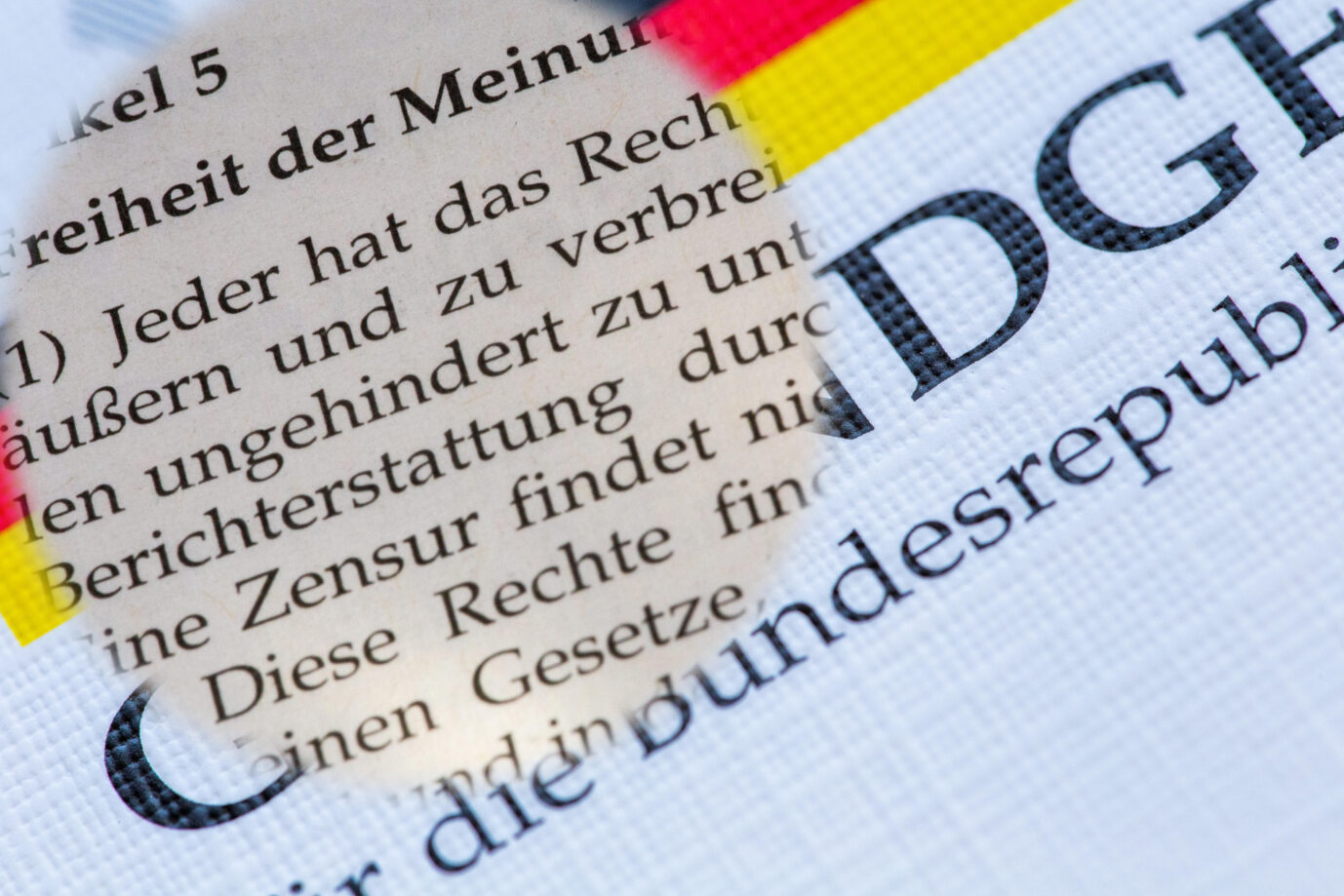
Conservative Media Under Attack: Their Version of Press Freedom

A German state agency in Lower Saxony has blacklisted conservative media outlets and their readers under an anti-extremism program, drawing criticism as government overreach against press freedom.
Stefanos Banos
Stefanos Banos Staff Writer
JUNE 19, 2026 AT 7:05 PM Updated: Jun 19, 2026 6:07 PM

According to Junge Freiheit, the agency targets not only the publications themselves but also their readers, aiming to convince supposed “right-wing extremists” to abandon these news sources. Media organizations affected include Junge Freiheit, Tichys Einblick, and other conservative publications that offer alternatives to Germany’s state-run and mainstream liberal media.

The initiative operates under the authority of Lower Saxony’s red-green coalition government, led by Minister President Olaf Lies of the Social Democratic Party. Ironically, Lies recently proclaimed that press freedom forms the foundation of democracy and that reliable, independent information is indispensable for public opinion formation. His government’s actions now contradict those words entirely.

The “Ambulant Justice Social Service of Lower Saxony” bears primary responsibility for the media blacklist. The agency frames readers of conservative outlets as suspects, guilty only of seeking information beyond the state broadcaster and establishment media. This pathologization of dissenting viewpoints represents a dangerous blurring of lines between legitimate state functions and political enforcement.

Targeting Readers as Well as Publications

The blacklist does not stop at naming publications. It explicitly aims to identify and “rehabilitate” citizens who consume conservative news. Anyone reading these outlets becomes suspicious in the eyes of state authorities. Their alleged crime consists of nothing more than seeking perspectives outside the narrow corridor of approved opinion offered by mainstream German media.

When politicians speak of “our democracy,” as Lies did in his statement, they increasingly mean their democracy alone, as Junge Freiheit reports. This version tolerates no opposition, pursues opposition parties for potential bans, drags critical citizens before courts on charges brought by overzealous prosecutors, and labels those who object as delegitimizers of the state.

State-Funded Press Hostility

The Lower Saxony blacklist forms part of a broader pattern. The news portal Apollo currently faces an orchestrated harassment campaign in which a left-wing newspaper published the address of its new editorial offices, left-wing extremists called for intimidation demonstrations outside the building, and state facilities were made available to organize these threats. The government provides resources for activities that function as preludes to violence.

Taxpayer-funded foundations supply the ideological ammunition for campaigns against conservative media. The government that finances these organizations then washes its hands of responsibility. When scandals emerge, officials promise to “review,” “evaluate,” and “consider consequences.” Ultimately, everything continues as before.

Instead of defending press freedom universally, German authorities outsource attacks on it to their own political affiliates. Wolfram Weimer, the federal Minister of State for Culture and Media responsible for press matters, maintains silence on the blacklist. His reticence may relate to critical coverage he himself has received.

Double Standards and Democratic Decline

The hypothetical response to a similar blacklist targeting left-wing media would look entirely different. Special broadcasts would air, the Bundestag would hold debates, and statements would flow from officials up to the Federal President himself. Investigations would be launched, offices searched, and charges filed. The public outcry would prove enormous.

The attacks on non-conformist media reflect a systematic approach rather than isolated incidents. Germany’s political establishment, from the hard left through the self-described “center parties,” fears losing its monopoly on acceptable opinion. The country’s crisis, most visibly manifested in record polling numbers for the Alternative for Germany party, has radicalized even state organizations now staffed and led by party loyalists and political ideologues.

Press freedom remains non-negotiable. Without it, many other fundamental rights lose their force, because no one remains to publicize attacks on them. A state that blacklists newspapers places itself in the wrong. The pillory belongs not to the press, but to those who would strip it of freedom.

Democratic systems distinguish themselves precisely through the existence of critical media. Compliant journalism that conceals facts and developments through omission, merely to avoid giving “ammunition” to politically disfavored voices, leads to a dead end. It only fuels greater criticism and anger, which authorities then combat with increasingly draconian measures. This vicious circle leads to the abyss.

Taxpayers fund this hostility toward press freedom. State resources meant for essential services instead finance political blacklists. Money always appears available for media pillories and the omnipresent “fight against the right,” even as school toilets remain broken and basic infrastructure crumbles.

With information from Junge Freiheit

Share:
Stefanos Banos
Stefanos Banos

Stefanos Banos was born in Piraeus and is an editor at NewsFire.GR, specializing in political analysis and international relations. He graduated from the Department of Communication and Media at the University of Bremen in Germany, where he also completed his Master of Arts in Communication and Media Studies. Married to Zoi, he is a proud father of three boys.

According to Junge Freiheit, the agency targets not only the publications themselves but also their readers, aiming to convince supposed “right-wing extremists” to abandon these news sources. Media organizations affected include Junge Freiheit, Tichys Einblick, and other conservative publications that offer alternatives to Germany’s state-run and mainstream liberal media.

The initiative operates under the authority of Lower Saxony’s red-green coalition government, led by Minister President Olaf Lies of the Social Democratic Party. Ironically, Lies recently proclaimed that press freedom forms the foundation of democracy and that reliable, independent information is indispensable for public opinion formation. His government’s actions now contradict those words entirely.

The “Ambulant Justice Social Service of Lower Saxony” bears primary responsibility for the media blacklist. The agency frames readers of conservative outlets as suspects, guilty only of seeking information beyond the state broadcaster and establishment media. This pathologization of dissenting viewpoints represents a dangerous blurring of lines between legitimate state functions and political enforcement.

Targeting Readers as Well as Publications

The blacklist does not stop at naming publications. It explicitly aims to identify and “rehabilitate” citizens who consume conservative news. Anyone reading these outlets becomes suspicious in the eyes of state authorities. Their alleged crime consists of nothing more than seeking perspectives outside the narrow corridor of approved opinion offered by mainstream German media.

When politicians speak of “our democracy,” as Lies did in his statement, they increasingly mean their democracy alone, as Junge Freiheit reports. This version tolerates no opposition, pursues opposition parties for potential bans, drags critical citizens before courts on charges brought by overzealous prosecutors, and labels those who object as delegitimizers of the state.

State-Funded Press Hostility

The Lower Saxony blacklist forms part of a broader pattern. The news portal Apollo currently faces an orchestrated harassment campaign in which a left-wing newspaper published the address of its new editorial offices, left-wing extremists called for intimidation demonstrations outside the building, and state facilities were made available to organize these threats. The government provides resources for activities that function as preludes to violence.

Taxpayer-funded foundations supply the ideological ammunition for campaigns against conservative media. The government that finances these organizations then washes its hands of responsibility. When scandals emerge, officials promise to “review,” “evaluate,” and “consider consequences.” Ultimately, everything continues as before.

Instead of defending press freedom universally, German authorities outsource attacks on it to their own political affiliates. Wolfram Weimer, the federal Minister of State for Culture and Media responsible for press matters, maintains silence on the blacklist. His reticence may relate to critical coverage he himself has received.

Double Standards and Democratic Decline

The hypothetical response to a similar blacklist targeting left-wing media would look entirely different. Special broadcasts would air, the Bundestag would hold debates, and statements would flow from officials up to the Federal President himself. Investigations would be launched, offices searched, and charges filed. The public outcry would prove enormous.

The attacks on non-conformist media reflect a systematic approach rather than isolated incidents. Germany’s political establishment, from the hard left through the self-described “center parties,” fears losing its monopoly on acceptable opinion. The country’s crisis, most visibly manifested in record polling numbers for the Alternative for Germany party, has radicalized even state organizations now staffed and led by party loyalists and political ideologues.

Press freedom remains non-negotiable. Without it, many other fundamental rights lose their force, because no one remains to publicize attacks on them. A state that blacklists newspapers places itself in the wrong. The pillory belongs not to the press, but to those who would strip it of freedom.

Democratic systems distinguish themselves precisely through the existence of critical media. Compliant journalism that conceals facts and developments through omission, merely to avoid giving “ammunition” to politically disfavored voices, leads to a dead end. It only fuels greater criticism and anger, which authorities then combat with increasingly draconian measures. This vicious circle leads to the abyss.

Taxpayers fund this hostility toward press freedom. State resources meant for essential services instead finance political blacklists. Money always appears available for media pillories and the omnipresent “fight against the right,” even as school toilets remain broken and basic infrastructure crumbles.

With information from Junge Freiheit

