Necessary Cookies

Required for the site to function. Cannot be disabled.

Analytics Cookies

Help us understand how visitors interact with our site (Google Analytics via GTM).

Marketing Cookies

Used to track visitors and deliver personalised advertisements.

We use cookies to enhance your browsing experience and analyse site traffic. By clicking Accept All, you consent to our use of cookies. Privacy Policy
NewsFire Global
Home News Europe World Christianity Culture Wars Opinion Video
Information
About Us Authors Advertising Terms & Conditions Privacy Policy Contact
R2B Media
R2B NEWSFIRE.GR PAPAFOTIS.GR THRACTION HELLENIC CONSERVATIVES RIGHT2THEBONE YT
News Europe

EU Moves to Bar Russian Veterans from Schengen Area

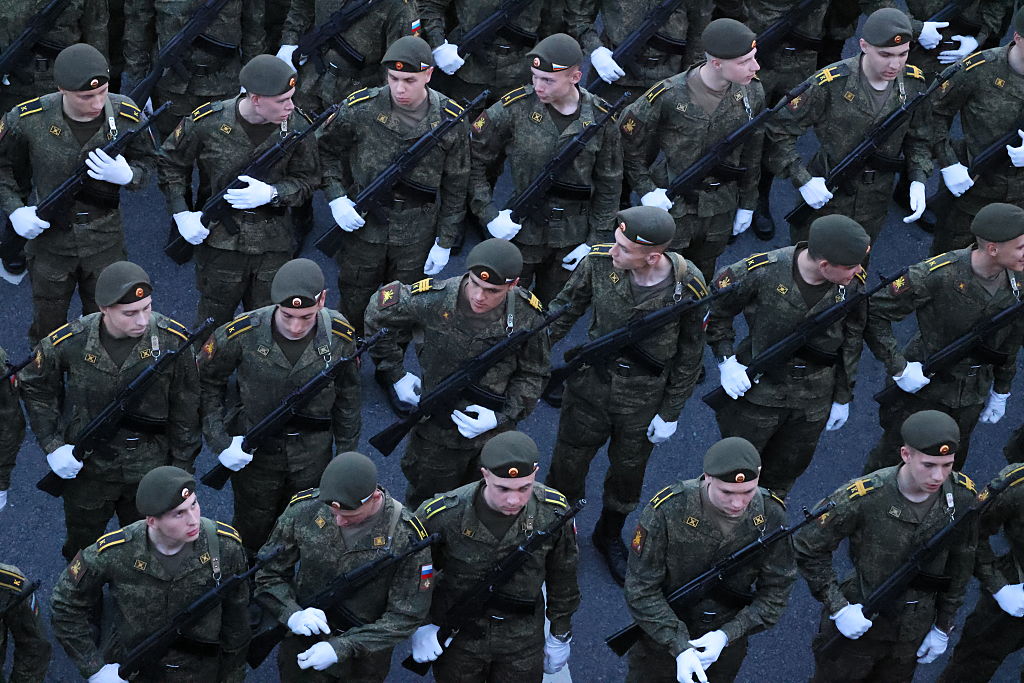
The EU's 21st sanctions package proposes banning all individuals who served in Russian armed forces since February 2022 from entering the Schengen Area.

Dimitris Papafotis
Dimitris Papafotis Editor in Chief
JUNE 16, 2026 AT 4:25 PM

The measure is part of the EU’s 21st sanctions package against Russia, unveiled on June 9 by Commission President Ursula von der Leyen and High Representative Kaja Kallas, according to Brussels Signal. If adopted by all 27 member states, the policy would effectively prohibit current and former Russian military personnel from obtaining visas to enter the Schengen Area.

Von der Leyen characterized the proposal as both a security imperative and a moral statement, noting that it marks the first time Brussels has sought to bar entry based on military service in the conflict.

Baltic and Nordic member states have been particularly vocal in demanding restrictions on Russian veterans, arguing that former combatants could be deployed by Moscow for intelligence gathering, subversion, or other hybrid warfare operations targeting European nations.

The proposal does not extend to a blanket visa ban on all Russian citizens—a policy that some Eastern European governments have advocated for but which remains politically and legally contentious. EU officials view the military-focused ban as a more defensible initial measure, while broader restrictions continue to be debated.

Beyond the entry ban, the 21st sanctions package aims to tighten the noose on Russia’s war economy. It targets dozens of Russian financial institutions, cryptocurrency platforms, and oil traders suspected of circumventing existing sanctions. Additional provisions would expand restrictions on Russia’s so-called shadow fleet of oil tankers and impose further trade limitations on select Russian goods.

The initiative reflects a strategic shift in European policy, moving beyond traditional economic sanctions focused on oligarchs and financial institutions to directly target individuals connected to Russia’s military apparatus. It also underscores Brussels’ willingness to use mobility and border controls as tools of coercion.

The proposal now faces the challenge of securing unanimous approval from all EU member states—a requirement that has delayed or diluted previous sanctions rounds. Nevertheless, the fact that the Commission is advancing such a measure signals a hardening stance in Brussels toward Russia’s ongoing military aggression in Ukraine.

With information from Brussels Signal

Share:
Dimitris Papafotis
Dimitris Papafotis

Dimitris Papafotis is the editor-in-chief of NewsFire.GR. He was born and raised in Athens. He studied at the Journalism Workshop (1991-1993). He currently lives in Pyrgos, Ilia, where he has been active in radio and various newspapers, while also maintaining his personal blog, Papafotis.gr.

The measure is part of the EU’s 21st sanctions package against Russia, unveiled on June 9 by Commission President Ursula von der Leyen and High Representative Kaja Kallas, according to Brussels Signal. If adopted by all 27 member states, the policy would effectively prohibit current and former Russian military personnel from obtaining visas to enter the Schengen Area.

Von der Leyen characterized the proposal as both a security imperative and a moral statement, noting that it marks the first time Brussels has sought to bar entry based on military service in the conflict.

Baltic and Nordic member states have been particularly vocal in demanding restrictions on Russian veterans, arguing that former combatants could be deployed by Moscow for intelligence gathering, subversion, or other hybrid warfare operations targeting European nations.

The proposal does not extend to a blanket visa ban on all Russian citizens—a policy that some Eastern European governments have advocated for but which remains politically and legally contentious. EU officials view the military-focused ban as a more defensible initial measure, while broader restrictions continue to be debated.

Beyond the entry ban, the 21st sanctions package aims to tighten the noose on Russia’s war economy. It targets dozens of Russian financial institutions, cryptocurrency platforms, and oil traders suspected of circumventing existing sanctions. Additional provisions would expand restrictions on Russia’s so-called shadow fleet of oil tankers and impose further trade limitations on select Russian goods.

The initiative reflects a strategic shift in European policy, moving beyond traditional economic sanctions focused on oligarchs and financial institutions to directly target individuals connected to Russia’s military apparatus. It also underscores Brussels’ willingness to use mobility and border controls as tools of coercion.

The proposal now faces the challenge of securing unanimous approval from all EU member states—a requirement that has delayed or diluted previous sanctions rounds. Nevertheless, the fact that the Commission is advancing such a measure signals a hardening stance in Brussels toward Russia’s ongoing military aggression in Ukraine.

With information from Brussels Signal

