Starmer Pushes Mandatory ID Requirement for Social Media Users
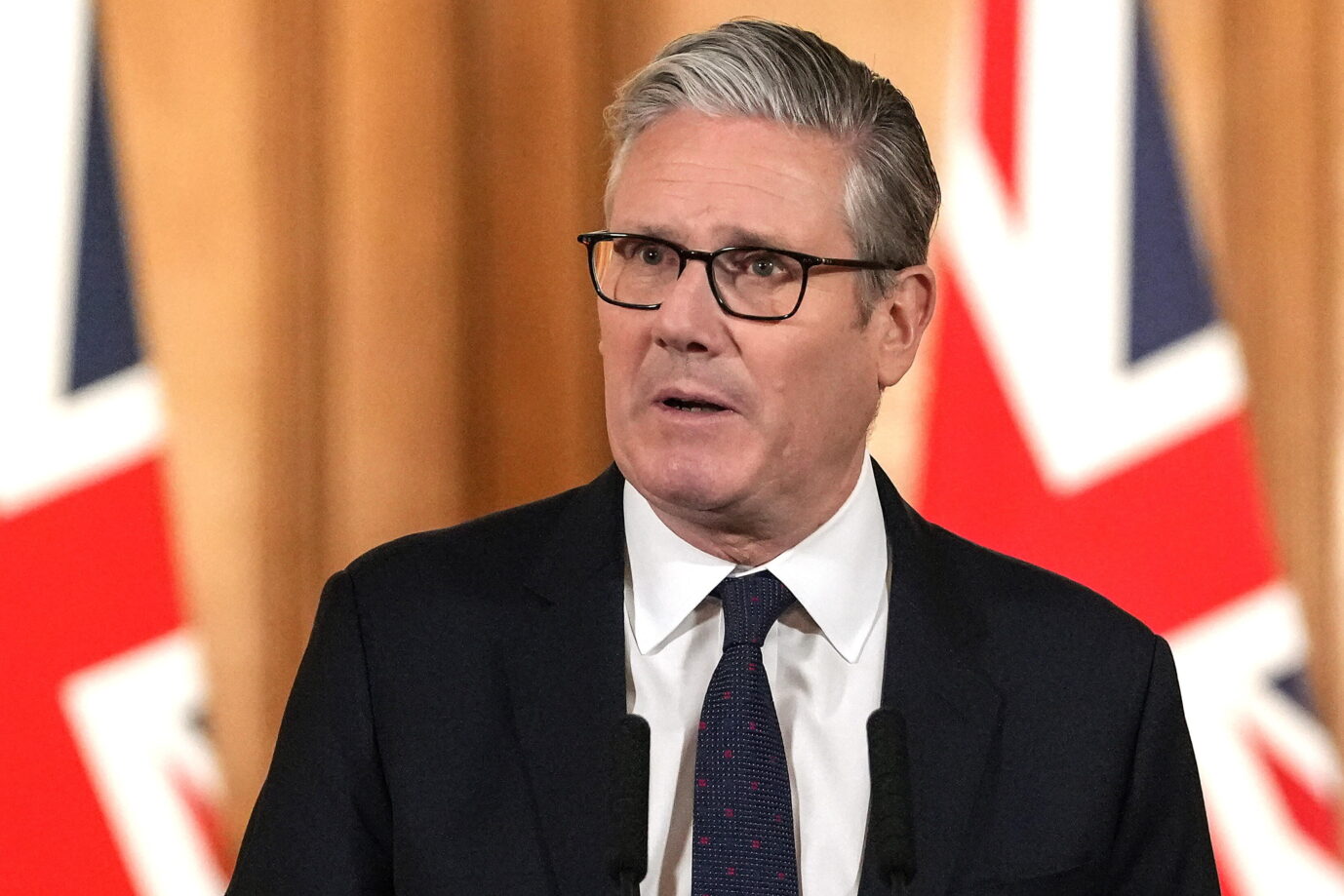
British Prime Minister Keir Starmer has defended plans to ban social media for under-16s starting in 2027, requiring identity verification while exempting messaging apps and YouTube Kids.

According to Junge Freiheit, users wishing to create or maintain accounts on social media sites would be required to verify their identity using official documents such as passports, bank cards, or comparable identification under the proposed scheme.
Keir Starmer announced the policy in a video posted Monday morning on X, stating that social media platforms make children unhappy and unsafe. The Labour leader said thousands of parents have complained that their children have become addicted to these platforms, and as Prime Minister he cannot allow the situation to continue.
The center-left government intends to block access to major platforms including Snapchat, TikTok, YouTube, Instagram, Facebook, Twitch, and X for users under sixteen beginning in spring 2027. Officials are also examining the possibility of implementing a digital curfew for social media users under eighteen years of age. Communication services such as WhatsApp and Signal would remain accessible, and the children’s video platform YouTube Kids would be exempted from the restrictions.
Notably absent from the initial list of banned platforms is Bluesky. According to polling by the Verian research institute, fifty-seven percent of users on the left-leaning network voted for Starmer’s Labour Party in the last parliamentary election. By contrast, only two percent supported Nigel Farage’s Reform UK and four percent backed the Conservative Party, the largest opposition force in the country.
Privacy Concerns and Implementation Challenges
The American privacy advocacy group Reclaim The Net issued sharp criticism of the proposal, warning on X that Starmer’s government is demanding backdoor access to iCloud accounts and arresting people for their tweets. Labour MP Emily Darlington also expressed skepticism, pointing to Australia’s experience with a similar ban implemented last year. In Australia, three quarters of fourteen and fifteen year olds have found ways to circumvent the restriction. Darlington warned in a guest column for Politico that teenagers will migrate to niche internet forums where the most extreme harmful content has always been found.
Conservative Party leader Kemi Badenoch praised the planned ban as fantastic news and an important step in helping parents protect childhood for their children. She pledged that her party would continue to advocate for optimal implementation of the policy.
Nigel Farage called the measures well-intentioned but predicted they would not work due to widespread use of VPN services, which allow users to disguise their device location. He argued that the real solution is mobile phones for children with limited features. Farage further criticized the initiative as introducing digital identification requirements through the back door, noting that a similar digital ID proposal failed last year after widespread protests from politicians and citizens.
Broader Government Crackdown on Online Content
The Online Safety Act already requires social media operators to take preventive measures to protect minors from illegal content. Under current law, the British Home Secretary can issue legally binding codes of conduct without parliamentary approval by citing reasons of national or public security.
The new ban proposal comes just days after riots in Belfast triggered by an attempted murder committed by a Sudanese asylum seeker, as Junge Freiheit reports. The Labour government subsequently announced plans to strengthen the Online Safety Act to remove illegal content from the internet more quickly.
The British media regulator Ofcom has also called on social network operators to set performance targets for deleting unlawful content ahead of the upcoming Football World Cup. Reclaim The Net warned this would create a quota system that generates no pressure whatsoever to leave legal expressions of opinion alone.
With information from Junge Freiheit