Necessary Cookies

Required for the site to function. Cannot be disabled.

Analytics Cookies

Help us understand how visitors interact with our site (Google Analytics via GTM).

Marketing Cookies

Used to track visitors and deliver personalised advertisements.

We use cookies to enhance your browsing experience and analyse site traffic. By clicking Accept All, you consent to our use of cookies. Privacy Policy
NewsFire Global
Home News Europe World Christianity Culture Wars Opinion Video
Information
About Us Authors Advertising Terms & Conditions Privacy Policy Contact
R2B Media
R2B NEWSFIRE.GR PAPAFOTIS.GR THRACTION HELLENIC CONSERVATIVES RIGHT2THEBONE YT
News World

Israel Refuses Lebanon Exit, Vows Full Force on Iran Attack

Israel says it will not withdraw from Lebanon and will strike Iran with maximum force if attacked, hours after Trump announced a controversial deal to end the war with Hezbollah.

Newsroom
Newsroom Staff Writer
JUNE 15, 2026 AT 4:28 PM

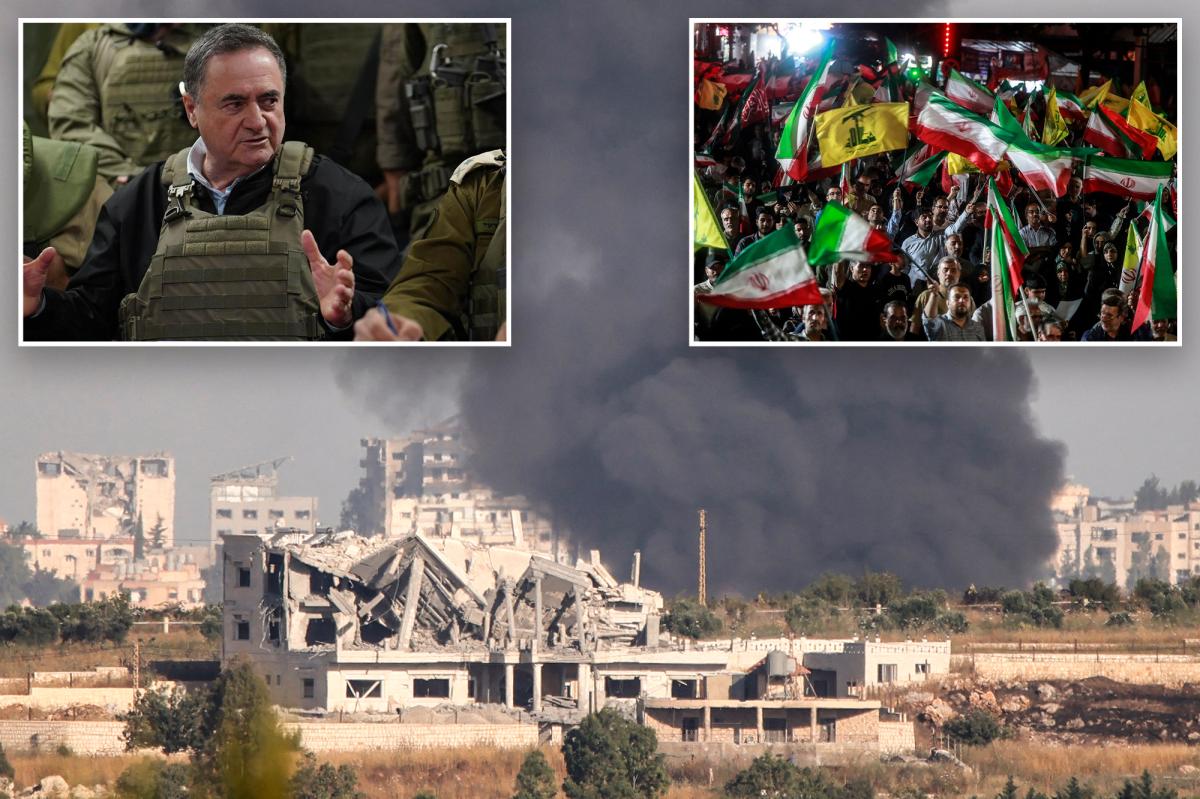
Defense Minister Israel Katz refused to confirm any timeline for Israeli troop withdrawal from Lebanese territory, citing ongoing security threats from terror cells operating near the Jewish State’s borders, according to New York Post.

Katz made clear that Prime Minister Benjamin Netanyahu and the defense establishment are pursuing a policy that keeps the Israeli Defense Forces deployed in security zones across Lebanon, Syria, and Gaza indefinitely.

The minister stated that these zones would be systematically cleared of all terror infrastructure, both above and below ground, including residential structures in contact-line villages that have served as terror outposts, as reported by Ynet.

Describing the seizure of Hezbollah strongholds in Lebanon as one of the IDF’s greatest achievements in what Israel calls the War of Rebirth, Katz emphasized that the government will not compromise on Israeli security interests or citizen protection.

In a direct warning to Tehran, Katz said Israel would respond with full military power if Iran launches attacks over developments in Lebanon.

Widespread Opposition Across Political Spectrum

The Trump-backed peace agreement has sparked fierce condemnation from Israeli politicians across the ideological divide.

While the full text remains unpublished, the White House outlined five key provisions on Friday: Iran must destroy its highly enriched uranium stockpile, pledge never to pursue nuclear weapons, accept economic relief only after completing those steps, open the Strait of Hormuz immediately, and cease all funding to terrorist organizations including Hezbollah.

Benny Gantz, former IDF chief of staff, characterized the deal as a strategic failure for Israeli interests.

National Security Minister Itamar Ben Gvir rejected the agreement outright, insisting Israel is not subordinate to the United States and must maintain its sovereignty. He demanded that Israeli forces hold all territory captured from Hezbollah fighters in Lebanon.

Even left-wing politician Yair Golan expressed dismay, claiming the deal erases significant military achievements won through the courage of Israeli pilots and the sacrifice of fallen soldiers. He accused Netanyahu of standing powerless and isolated while offering Tehran a lifeline.

Iran Claims Victory

The memorandum of understanding is scheduled for signing in Geneva, Switzerland, on Friday. Iran’s deputy foreign minister Kazem Gharibabadi has indicated the regime will not begin implementation until after the formal signing ceremony.

Tehran is presenting the agreement as an American surrender, with the Khatam al-Anbiya Central Headquarters claiming victory for the Islamic Republic, according to the semi-official Tasnim News Agency.

Broader negotiations on unresolved issues including Iran’s nuclear program are expected to continue over the next 60 days, two senior Pakistani officials confirmed on condition of anonymity.

Trump has defended the deal as a pathway to peace and security across the Middle East, despite the intense backlash from Israeli leadership and politicians who view the agreement as undermining the Jewish State’s strategic position and hard-won battlefield gains against Iranian-backed terrorist forces.

With information from New York Post

Share:
Newsroom
Newsroom

NewsFire.GR is a website created with the hope that the media will rediscover their true identity, which is none other than informing the public about the real stakes of our times. Journalism and political analysis must hold power accountable, not serve it.

Defense Minister Israel Katz refused to confirm any timeline for Israeli troop withdrawal from Lebanese territory, citing ongoing security threats from terror cells operating near the Jewish State’s borders, according to New York Post.

Katz made clear that Prime Minister Benjamin Netanyahu and the defense establishment are pursuing a policy that keeps the Israeli Defense Forces deployed in security zones across Lebanon, Syria, and Gaza indefinitely.

The minister stated that these zones would be systematically cleared of all terror infrastructure, both above and below ground, including residential structures in contact-line villages that have served as terror outposts, as reported by Ynet.

Describing the seizure of Hezbollah strongholds in Lebanon as one of the IDF’s greatest achievements in what Israel calls the War of Rebirth, Katz emphasized that the government will not compromise on Israeli security interests or citizen protection.

In a direct warning to Tehran, Katz said Israel would respond with full military power if Iran launches attacks over developments in Lebanon.

Widespread Opposition Across Political Spectrum

The Trump-backed peace agreement has sparked fierce condemnation from Israeli politicians across the ideological divide.

While the full text remains unpublished, the White House outlined five key provisions on Friday: Iran must destroy its highly enriched uranium stockpile, pledge never to pursue nuclear weapons, accept economic relief only after completing those steps, open the Strait of Hormuz immediately, and cease all funding to terrorist organizations including Hezbollah.

Benny Gantz, former IDF chief of staff, characterized the deal as a strategic failure for Israeli interests.

National Security Minister Itamar Ben Gvir rejected the agreement outright, insisting Israel is not subordinate to the United States and must maintain its sovereignty. He demanded that Israeli forces hold all territory captured from Hezbollah fighters in Lebanon.

Even left-wing politician Yair Golan expressed dismay, claiming the deal erases significant military achievements won through the courage of Israeli pilots and the sacrifice of fallen soldiers. He accused Netanyahu of standing powerless and isolated while offering Tehran a lifeline.

Iran Claims Victory

The memorandum of understanding is scheduled for signing in Geneva, Switzerland, on Friday. Iran’s deputy foreign minister Kazem Gharibabadi has indicated the regime will not begin implementation until after the formal signing ceremony.

Tehran is presenting the agreement as an American surrender, with the Khatam al-Anbiya Central Headquarters claiming victory for the Islamic Republic, according to the semi-official Tasnim News Agency.

Broader negotiations on unresolved issues including Iran’s nuclear program are expected to continue over the next 60 days, two senior Pakistani officials confirmed on condition of anonymity.

Trump has defended the deal as a pathway to peace and security across the Middle East, despite the intense backlash from Israeli leadership and politicians who view the agreement as undermining the Jewish State’s strategic position and hard-won battlefield gains against Iranian-backed terrorist forces.

With information from New York Post

