Necessary Cookies

Required for the site to function. Cannot be disabled.

Analytics Cookies

Help us understand how visitors interact with our site (Google Analytics via GTM).

Marketing Cookies

Used to track visitors and deliver personalised advertisements.

We use cookies to enhance your browsing experience and analyse site traffic. By clicking Accept All, you consent to our use of cookies. Privacy Policy
NewsFire Global
Home News Europe World Christianity Culture Wars Opinion Video
Information
About Us Authors Advertising Terms & Conditions Privacy Policy Contact
R2B Media
R2B NEWSFIRE.GR PAPAFOTIS.GR THRACTION HELLENIC CONSERVATIVES RIGHT2THEBONE YT
News Culture Wars

Gender-Neutral Language: The Sequel

British students taking French GCSE exams may now use non-binary pronouns like "iel" without penalty, despite such terms being rejected by French language authorities.
Stefanos Banos
Stefanos Banos Staff Writer
JUNE 10, 2026 AT 1:40 PM

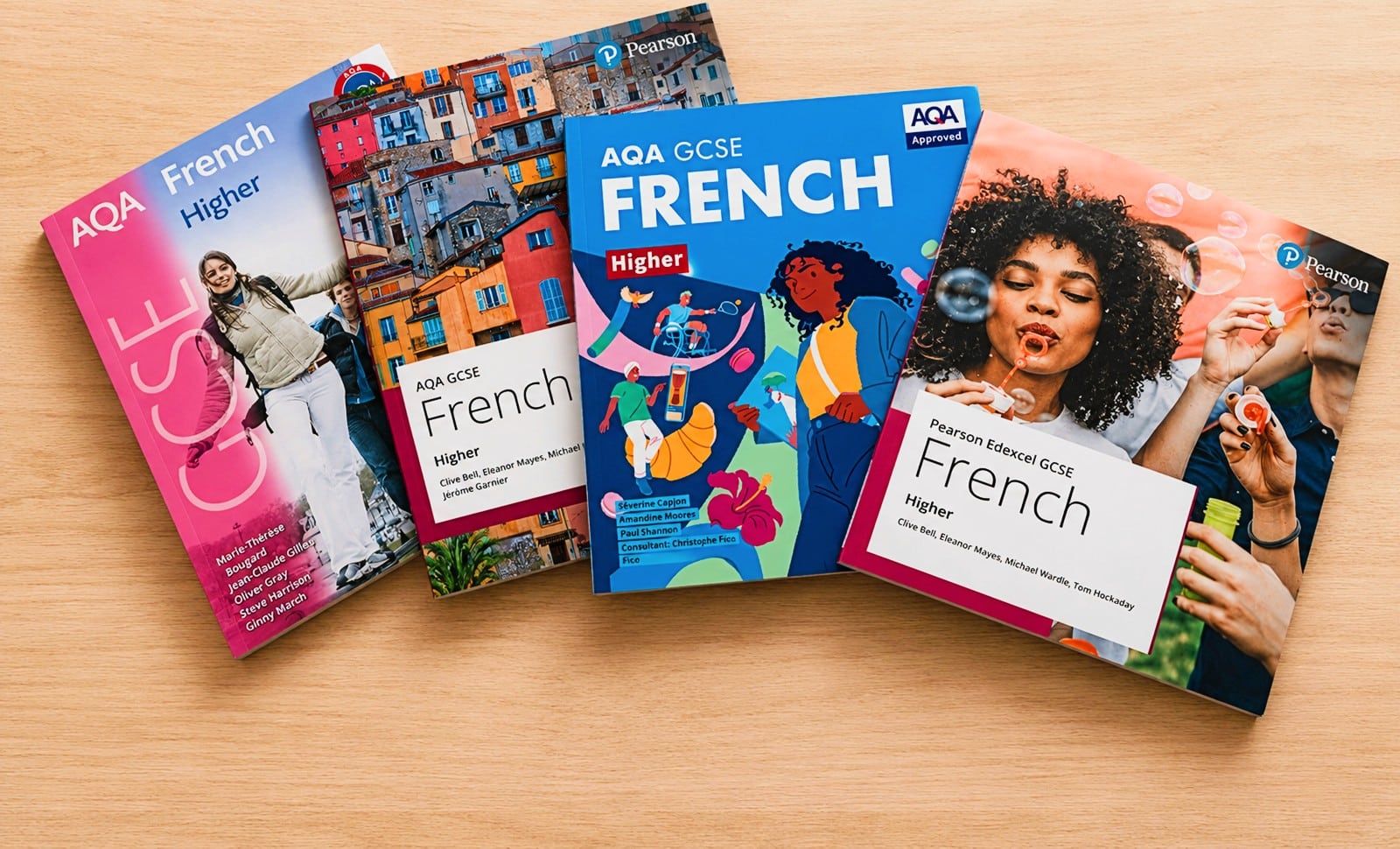
British students taking their French language exams are now permitted to use so-called non-binary vocabulary and gender-neutral pronouns, marking a departure from established linguistic norms and sparking questions about ideological influence in foreign language education.

As of May 4th, approximately 130,000 British secondary school students—representing 20 percent of their age cohort—are sitting their GCSE exams in French as a foreign language, according to Causeur. This year, however, the examination conditions include a novel provision that reflects contemporary identity politics more than traditional linguistic instruction.

The academic standards body Pearson Edexcel, which oversees secondary education assessment in the United Kingdom, has authorized for the first time the use of vocabulary related to transgender and non-binary terms in both written and oral examinations. Students will not be penalized for deploying hybrid neologisms such as “iel,” “yel,” or “ielle”—invented pronouns intended to bypass French’s grammatical gender system.

The move represents a striking contrast to developments in France itself. The city hall of Clermont-Ferrand recently abandoned the use of inclusive writing in its official texts, citing it as an obstacle to readability. Meanwhile, British educational authorities appear to be embracing linguistic experimentation that has found little acceptance among French language guardians.

French Language Authorities Reject the Terminology

Neither the Académie française nor the Office québécois de la langue française—the two principal custodians of the French language—recommends this vocabulary. The terminology is likewise absent from authoritative reference works including the Larousse dictionary and the Usito dictionary produced by the University of Sherbrooke in Quebec.

While the pronoun “iel” does appear in the 2023 paper edition of the Petit Robert dictionary, it is categorized as “rare” and observed only in activist texts rather than in standard usage, Causeur reports. The dictionary’s compilers noted its existence primarily in militant writing, not in everyday French.

Ideology Preceding Language Reality

The British education system is thus teaching French not as it exists, but as certain activists wish it to be—a posture that prioritizes ideological conformity over linguistic authenticity. The decision raises fundamental questions about whether foreign language instruction should reflect how a language is actually spoken and written by its native speakers, or whether it should serve as a vehicle for social experimentation.

The guidance materials for British students do include a caveat stating that gender-neutral forms are designed to offer greater freedom of expression rather than to impose terminology on others. Yet the very inclusion of these forms in examination standards signals institutional endorsement of linguistic conventions that remain marginal even in France.

The British approach stands in marked contrast to traditional language pedagogy, which typically emphasizes grammatical correctness and usage patterns validated by native speakers and established authorities. By permitting vocabulary that exists primarily in activist circles, educational authorities are effectively validating a political position rather than teaching established linguistic practice.

With information from Causeur

Share:
Stefanos Banos
Stefanos Banos

Stefanos Banos was born in Piraeus and is an editor at NewsFire.GR, specializing in political analysis and international relations. He graduated from the Department of Communication and Media at the University of Bremen in Germany, where he also completed his Master of Arts in Communication and Media Studies. Married to Zoi, he is a proud father of three boys.

British students taking their French language exams are now permitted to use so-called non-binary vocabulary and gender-neutral pronouns, marking a departure from established linguistic norms and sparking questions about ideological influence in foreign language education.

As of May 4th, approximately 130,000 British secondary school students—representing 20 percent of their age cohort—are sitting their GCSE exams in French as a foreign language, according to Causeur. This year, however, the examination conditions include a novel provision that reflects contemporary identity politics more than traditional linguistic instruction.

The academic standards body Pearson Edexcel, which oversees secondary education assessment in the United Kingdom, has authorized for the first time the use of vocabulary related to transgender and non-binary terms in both written and oral examinations. Students will not be penalized for deploying hybrid neologisms such as “iel,” “yel,” or “ielle”—invented pronouns intended to bypass French’s grammatical gender system.

The move represents a striking contrast to developments in France itself. The city hall of Clermont-Ferrand recently abandoned the use of inclusive writing in its official texts, citing it as an obstacle to readability. Meanwhile, British educational authorities appear to be embracing linguistic experimentation that has found little acceptance among French language guardians.

French Language Authorities Reject the Terminology

Neither the Académie française nor the Office québécois de la langue française—the two principal custodians of the French language—recommends this vocabulary. The terminology is likewise absent from authoritative reference works including the Larousse dictionary and the Usito dictionary produced by the University of Sherbrooke in Quebec.

While the pronoun “iel” does appear in the 2023 paper edition of the Petit Robert dictionary, it is categorized as “rare” and observed only in activist texts rather than in standard usage, Causeur reports. The dictionary’s compilers noted its existence primarily in militant writing, not in everyday French.

Ideology Preceding Language Reality

The British education system is thus teaching French not as it exists, but as certain activists wish it to be—a posture that prioritizes ideological conformity over linguistic authenticity. The decision raises fundamental questions about whether foreign language instruction should reflect how a language is actually spoken and written by its native speakers, or whether it should serve as a vehicle for social experimentation.

The guidance materials for British students do include a caveat stating that gender-neutral forms are designed to offer greater freedom of expression rather than to impose terminology on others. Yet the very inclusion of these forms in examination standards signals institutional endorsement of linguistic conventions that remain marginal even in France.

The British approach stands in marked contrast to traditional language pedagogy, which typically emphasizes grammatical correctness and usage patterns validated by native speakers and established authorities. By permitting vocabulary that exists primarily in activist circles, educational authorities are effectively validating a political position rather than teaching established linguistic practice.

With information from Causeur

